Many hotels may have a storied or noteworthy history, but rarer still is the property which has been able to maintain a high-end level of luxury from one generation to the next, or perhaps for a century or more after its debut. Others have restored their lost luster along the way, or have soared to even loftier heights than they had in their original heydays. In either case, what’s true for guests today is that they have the good fortune of being the beneficiaries of well lived-in pasts combined with the latest and greatest luxe hotel accouterments of the present.
Scotland and Ireland have their castle hotels, and in France, there are palaces and chateaux galore. North America’s grandest may not stretch back as far nor are they as abundant, but don’t sell our continent short. There’s still an exciting range of options you’ll want to see and experience for yourself.
Take your pick from this selection of the grandest and most historic hotels across the U.S., as well as Canada and the Caribbean, to experience a Gilded Age getaway, Roaring Twenties retreat, or even some Mid-Century merriment, reveling in the grand, inimitable splendor of these iconic properties.
Arizona Biltmore
The Arizona Biltmore, now a member of Hilton’s LXR portfolio, has roots stretching back to 1929. The property has undergone a major renovation to the tune of $170 million since the pandemic, and honors its past by employing four on-call historians who provide public history tours several times per week. They might point out to you an authentic, functioning speakeasy that was left off the hotel’s blueprints and glimmering features such as the 54-by-130-foot, 18-karat gold-leaf ceiling of The Aztec Room.
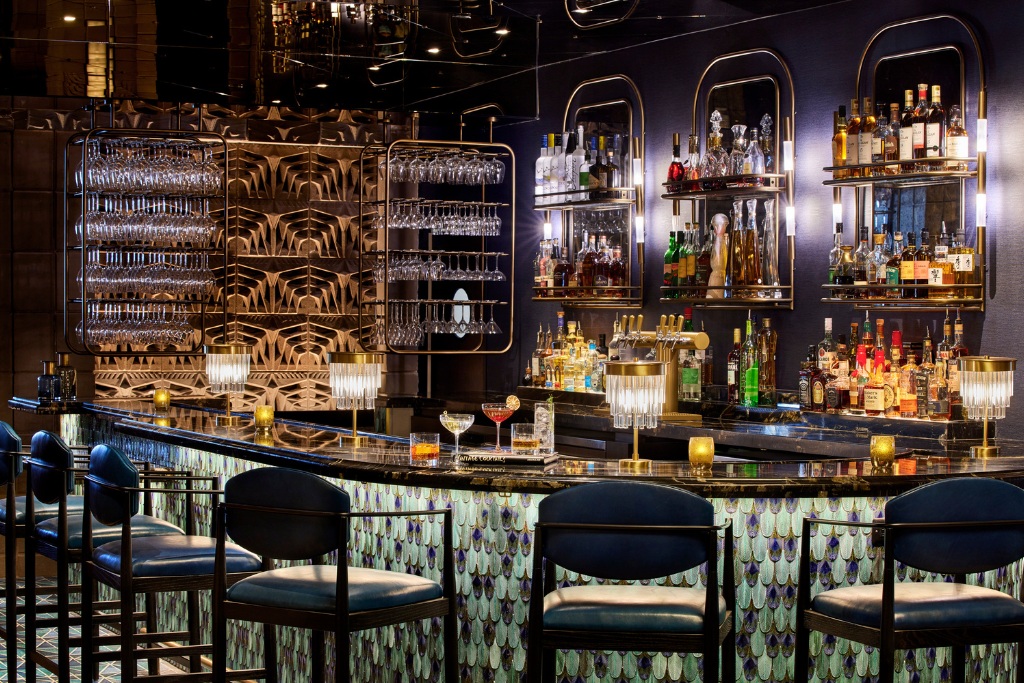
The hotel was designed by Frank Lloyd Wright disciple Albert Chase McArthur, who incorporated a system from Wright consisting of 250,000 stone bricks in 24 distinctive styles painstakingly put into place across its facade and lobby. William Wrigley Jr., who built the adjacent Wrigley Mansion in 1931, was an investor and then became the property’s sole owner. He used it as a private, invite-only resort for everyone from presidents to Hollywood’s most notable through the early 1970s.
Accommodations today include a range of casitas and villas in addition to standard guestrooms and suites. The expansive Tierra Luna Spa is a property highlight, along with a 3,000-square-foot fitness center, and four pools ranging from an adults-only hub flanked by cabanas, to a family-friendly option with several theme park-grade waterslides.
Waldorf Astoria New York
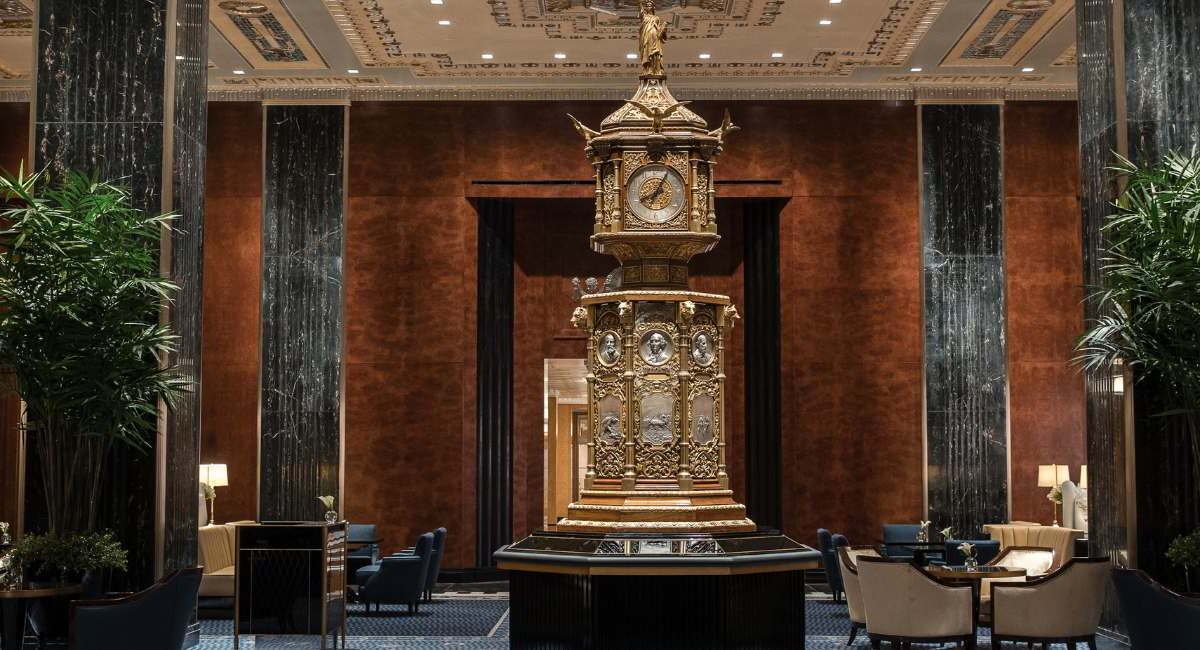
The Waldorf Astoria New York reopened in July 2025 after more than eight years and a reported $2 billion renovation, with the luxury world writ large taking immediate notice of the painstaking restoration of its original opulence. There’s the signature Queen Victoria-commissioned clock tower, the 148,000-marble tile “Wheel of Life” mosaic, the High Society grand piano, and the storied Versailles-inspired ballrooms, among other famed features.
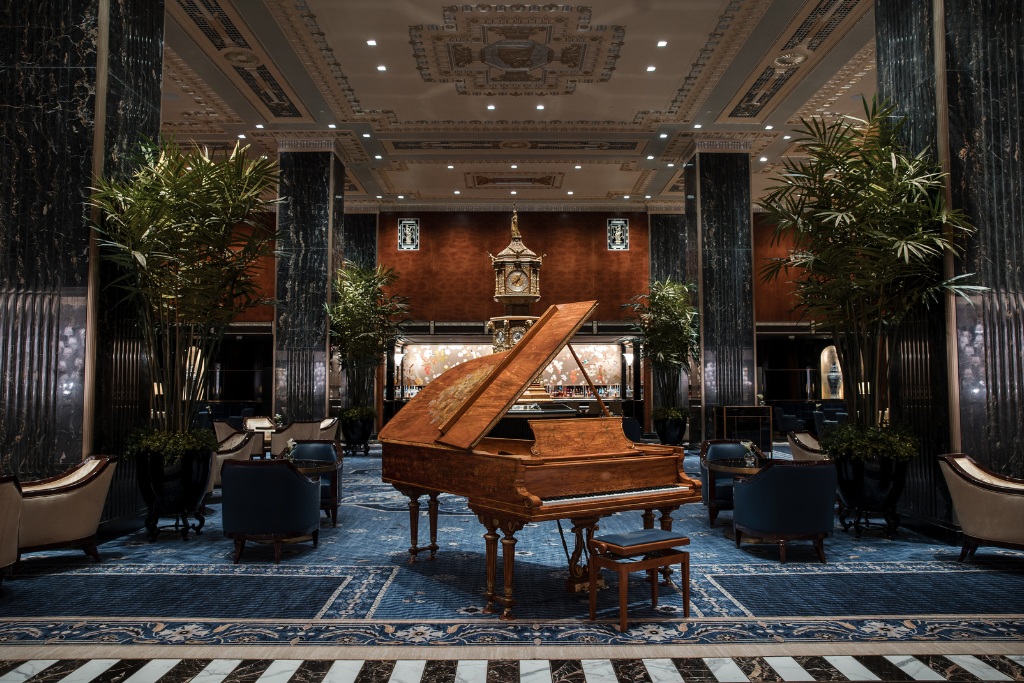
The Waldorf Hotel first opened in 1893, and four years later it was joined by its neighbor the Astoria Hotel. The adjacent properties eventually merged into “The Waldorf-Astoria” before being demolished for the Empire State Building. The enormous hotel as we know it today then opened in its current locale in 1931.
A major aspect of the recent renovation was slashing the property’s room count from 1,400 all the way down to 375 rooms and suites, plus 372 residences. Because when it comes to guestrooms, bigger usually is better; especially in New York. Peacock Alley is back, and the hotel now features a Guerlain Wellness Spa.
Dorado Beach, a Ritz-Carlton Reserve
Dorado Beach is one of just nine hotels in the exclusive Ritz-Carlton Reserve portfolio. But when the property debuted in the 1950s, it helped to bring the idea of the modern eco-resort into life.
Clara Livingston sold the original 1,700-acre Puerto Rican property, her family’s private estate, to Laurance Rockefeller, who opened it to the public with conservation in mind from the start. The rocky breakwater in front of its central beach remains known as Rockefeller’s Rocks to this day.
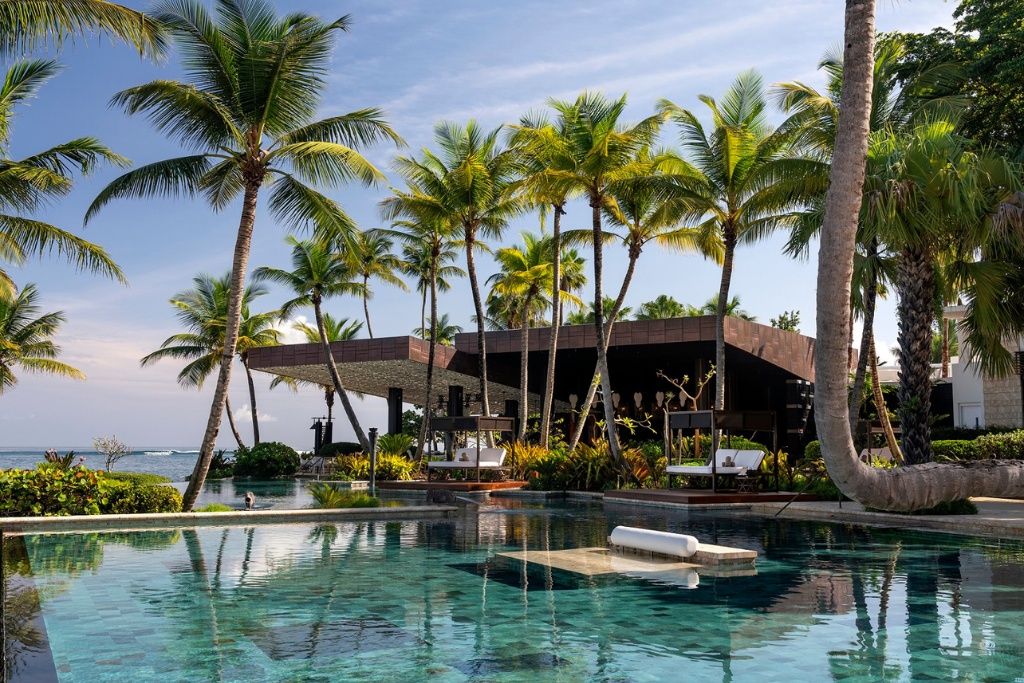
The modern hotel holds LEED Silver Certification and consists of 114 rooms in a series of low-slung, beachfront buildings, all connected together by winding pathways amid lush greenery. The property’s Spa Botánico is a true retreat within a retreat, and no trip counts as an official one without a photo of the century-old ficus tree that elegantly towers in front of it.
Fairmont Banff Springs, Canada
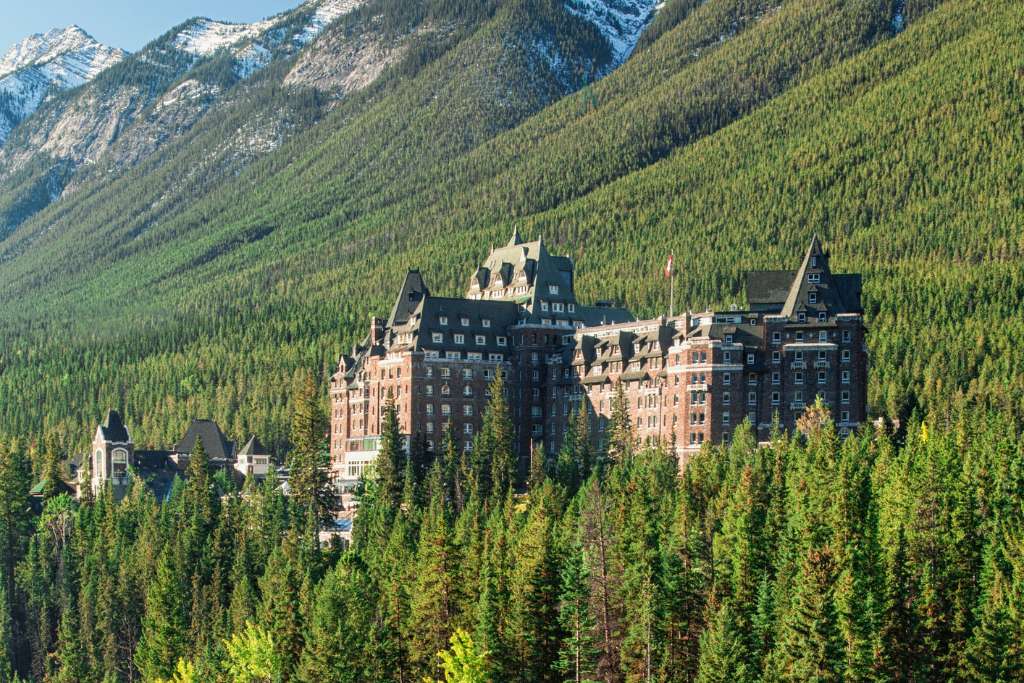
The Castle in the Rockies, the Fairmont Banff Springs, opened in 1888, with the structure as it is recognized today beginning to take form a few decades later. Its outsized presence dominates the tiny surrounding town of Banff, but in turn is dwarfed by the majesty of its environs. You can call it a chalet, or call it a castle, but either way, call it the ideal home base for anyone eager to explore Banff National Park, whether for summertime hiking amid glacial lakes or wintertime skiing.
A handful of Fairmont’s other grand dames across Canada are also of note. The property that would go onto became the Fairmont Chateau Lake Louise, a short drive away from Banff Springs, debuted in 1890, the Fairmont Empress in Victoria opened in 1908, the Fairmont Palliser opened in Calgary in 1914, and the Fairmont Royal York in Toronto opened in 1929.
Thank the Canadian Pacific Railway, as the train operator opened them all to provide a place for its passengers to stay along its route, as well as a lure to get them there.
More Luxury Historic Hotels to Consider
There are, of course, plenty more luxury historic hotels. Consider the Vanderbilt family history, alone. The Vanderbilt, Auberge Collection, opened as a hotel in 2018, but was first completed in 1909 by Alfred Gwynne Vanderbilt as a Newport, Rhode Island, estate. In the missed hotelier opportunities file, there’s the Biltmore in Asheville, North Carolina, which may have all the makings of a sweeping countryside manor hotel, yet stands tall as the largest privately owned home in the country to this day after being opened by George Washington Vanderbilt II in 1895. Same goes for The Breakers, back in Rhode Island, and built by Cornelius Vanderbilt II in 1893.
Plenty of other magnates needed to get in on the fun, too. William Avery Rockefeller opened The Point in Saranac Lake, New York in 1933, and four decades ago it became the first Relais & Châteaux member in North America, with 11 luxe log cabins available for booking.
The Willard F. Rockwell-founded Nemacolin Resort in Farmington, Pennsylvania, opened to the public in 1968. And today in Georgia, travelers can visit the Jekyll Island Club Resort, founded by a handful of the tippy-top of Gilded Age society, whose members built private vacation homes. A number of those cottages can be rented, such as J.P. Morgan’s Sans Souci, while there’s also a main hotel wing and resort facilities.
Elsewhere, The Brown Palace Hotel and Spa first opened in Denver in 1892, and is now a member of Bonvoy’s Autograph Collection. And in San Diego, the Hotel del Coronado was the largest resort hotel in the world when it debuted in 1888. Founded by a cohort including the tycoon E.S. Babcock, the Victorian-style property remains the second largest wooden structure of any type in the country today. It reopened in June 2025 following a $550 million, six-year overhaul, with several of its components — the Beach Village at The Del, and Shore House at The Del — being included as part of LXR.
Feature image courtesy of Fairmont Banff Springs. Travel Curator may earn a commission from product or booking links on this page.