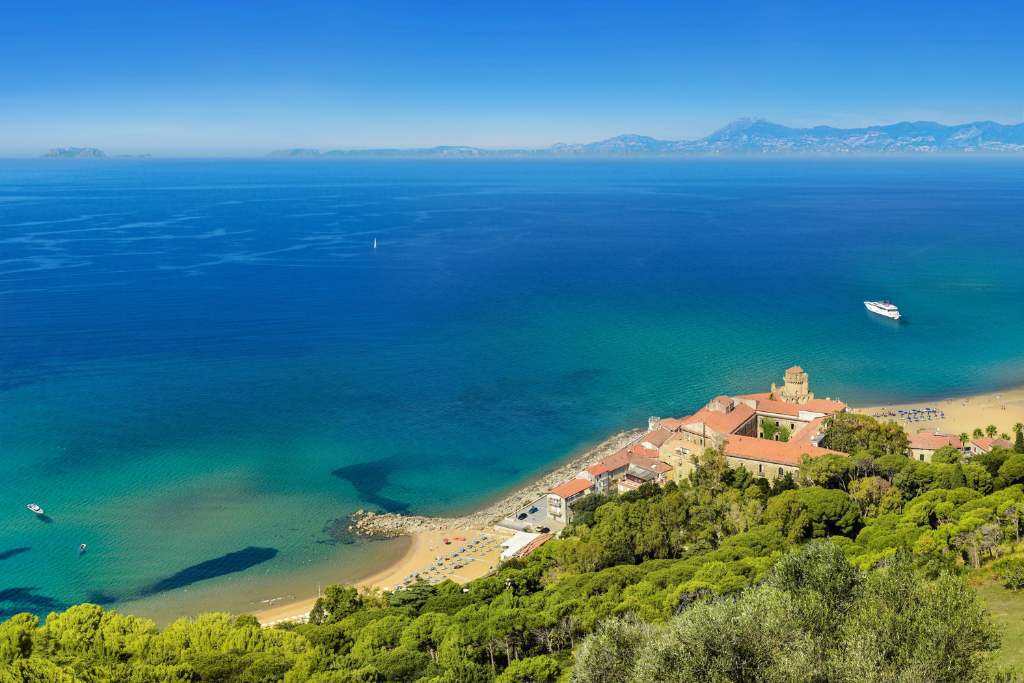
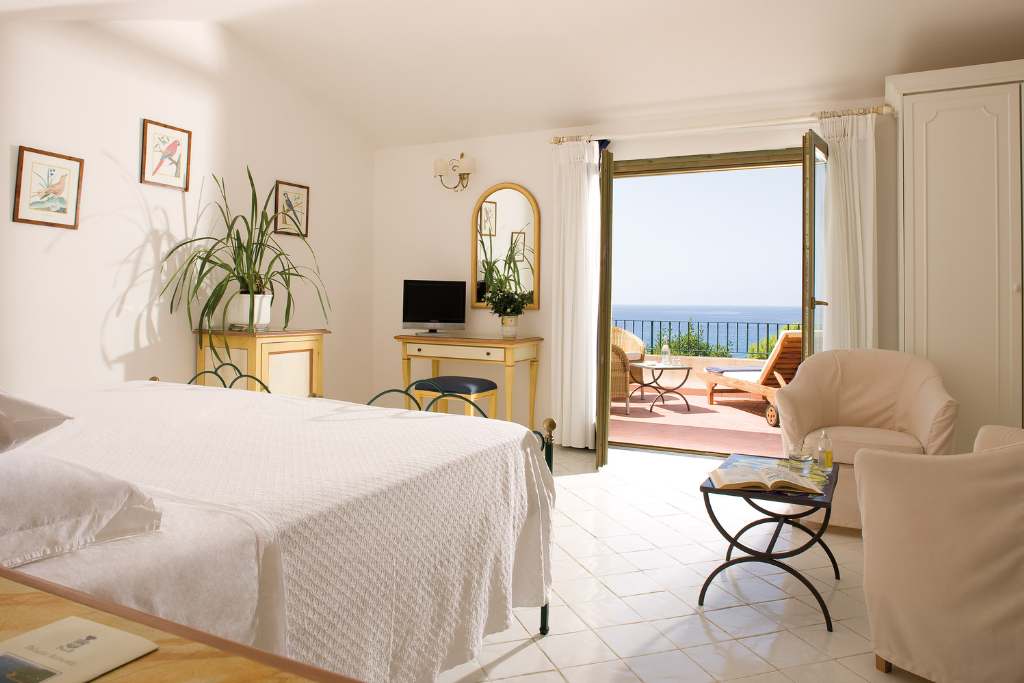
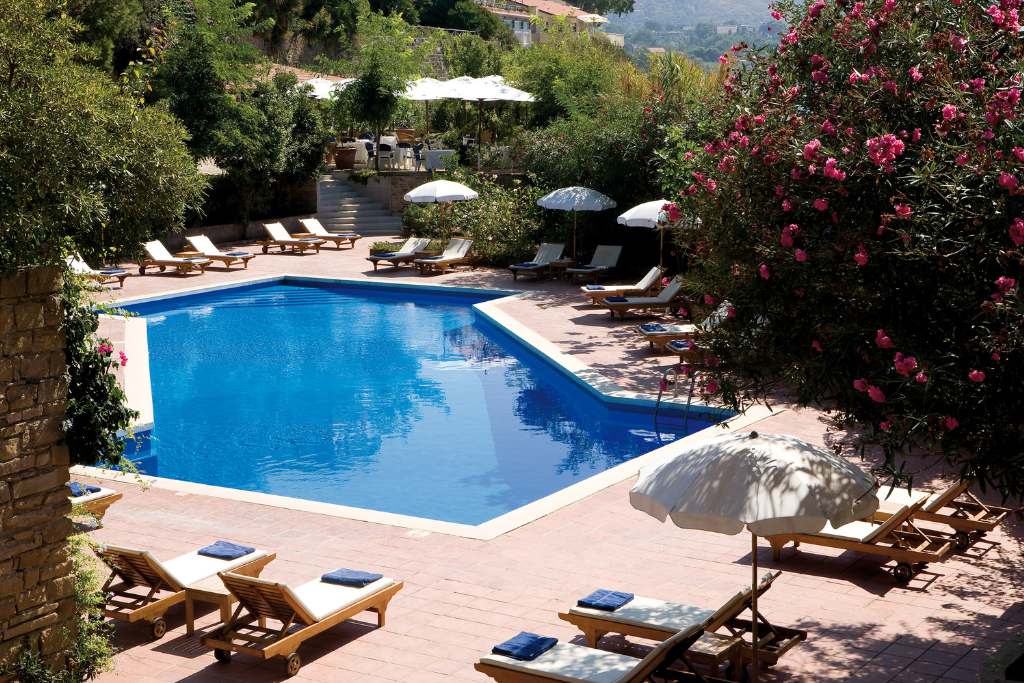
My surrender came months before my arrival at Palazzo Belmonte, a 17th-century palace overlooking the Mediterranean Sea, just south of Salerno. It came the moment I committed to spending an entire week in the small fishing village of Santa Maria di Castellabate while abstaining from the region’s most decadent pleasures: wine, pasta, buffalo mozzarella made just down the road in Battipaglia, fresh seafood, and yes, even coffee.
My reason for traveling to Italy’s Campania region has little to do with Italy and everything to do with Ayurveda, Traditional Chinese Medicine, and Tibetan Medicine — all part of the nomadic Datu Wellness retreat. I’ve known about Datu since its 2023 Tuscany debut, when practitioners from India’s most renowned Ayurveda hospitals and retreats — including Ananda in the Himalayas and Six Senses Vana — first made their sojourn to Europe. A colleague attended the first Italy retreat and raved. Still, I hesitated, though I couldn’t quite explain why.
Certainly, I’m no stranger to spa and wellness immersions. I’ve baked in wood-fire saunas in Finland before plunging into the icy Baltic Sea; bathed in cheese whey in a rain barrel on the side of a Swiss Alp as cows with giant bells clanked nearby; squeezed into inflatable compression boots in the Czech Republic; been blasted with a Scotch hose in France; fasted for days at a California colonics spa; and had medicated oil poured into my eyes, ears, and up my nose on a slick neem wood table in Kerala.
But something was holding me back. And oddly, it was the retreat’s provided white kurta pajamas (flowy pants and long tunic), camel-colored wool poncho and colorful scarf for cool mornings and evenings, and strand of red rudraksha seeds worn as Ayurvedic prayer beads. The whole ensemble felt, if I’m being honest, slightly cultish.
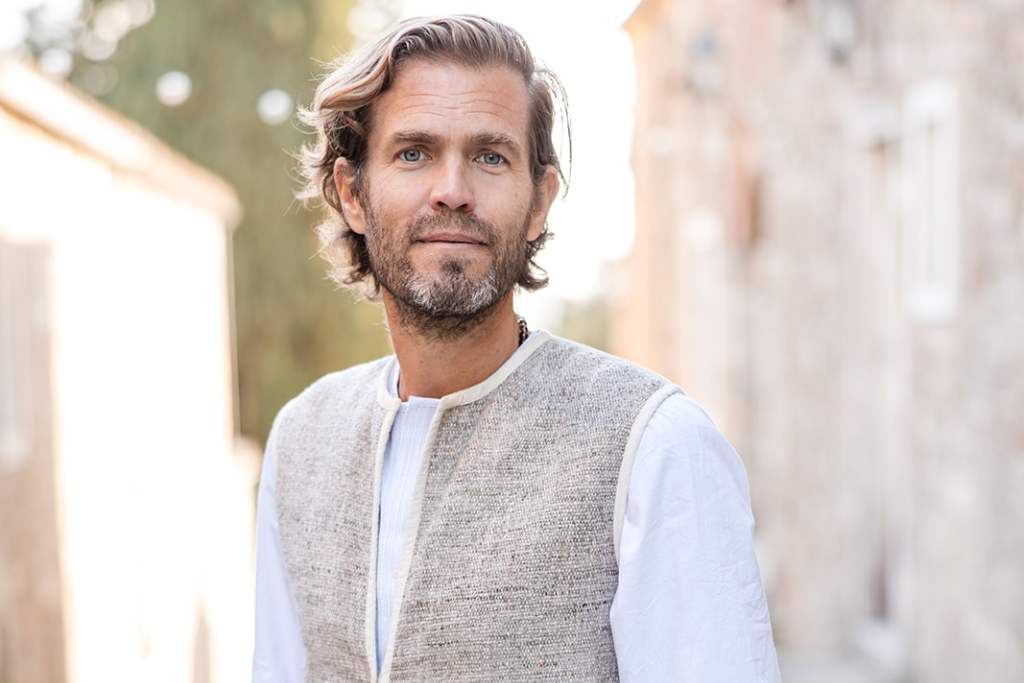
When weeks later, over a sun-drenched lunch of fresh artichokes and sweet potato cakes, I confess my initial hesitation to Datu founder Constantin Bjerke, he laughs. The uniform, he assures me, is simply about ease — not having to think about what to wear or, more blissfully, what to pack.
This nourishing attention to detail infuses the entire Datu experience — from the hot water bottle wrapped in a furry cover and placed at the foot of the bed each night to the thermos of golden tea left bedside. It is a tenderness that feels especially profound given that Datu was born from Bjerke’s own period of deep unpleasantness.
The Backstory
“I believe that in life there is no good and bad; just pleasant and unpleasant,” Bjerke says. “And I was experiencing a lot of unpleasantness. My father had taken his own life, my relationship with my mother was strained, my wife filed for divorce, Covid hit and my filmmaking business collapsed, and then my dog died. I decided I could either take up drugs or find enlightenment.”
And so, he bought a one-way ticket to India.
Ayurveda — India’s 6,000-year-old medical science designed to promote holistic health by balancing the mind, body, and spirit — was not something the German-born, London-based filmmaker knew much about. A brief relationship (that didn’t materialize) introduced him to the concept.
“There was a piece of me that thought if I went to India, practiced ‘real’ Ayurveda, and showed her that I was making positive changes, we may work out,” Bjerke admits.
But instead he found himself.
In southern India, near Chennai, the former media mogul checked into what he describes as the country’s top Ayurvedic hospital — “where doctors go themselves” — for a three-week panchakarma cleanse. There, he says, he received “everything he needed and nothing he didn’t.”
Week one prepared his body for transformation. Week two — the hardest — had him drinking only liquid ghee (clarified butter) to purge his body and return it to what he calls a “virgin state.” Week three focused on gently rebuilding his nervous system. When the cleanse ended, Bjerke didn’t return home (or try to impress the woman), but stayed in India for several more months, immersing himself in yoga and the rhythms of an Ayurvedic lifestyle. It was during this time that the idea came to him: To bring the transformative experience closer to home.
“Pain is inevitable in life,” Bjerke says. “But suffering, I’ve learned, is optional. It became very clear to me that most people cannot leave their lives for months or even weeks to go off to India to heal. So I am bringing India to them.”
The Program
Datu pops up spring and fall for one month in Italy (locations vary), and also for two months (summer) in India. Bjerke personally leads every retreat and, with his team, oversees and customizes each itinerary. All guests complete an in-depth assessment of their physical, emotional, and spiritual health prior to arrival and once on site, have a one-on-one consultation with the Ayurveda physician who prescribes an overall treatment plan based on balancing the three energy doshas — Vata (air), Pitta (fire), and Kapha (water). Recommendations range from movement to deeply healing bodywork to meditation and sound healing.
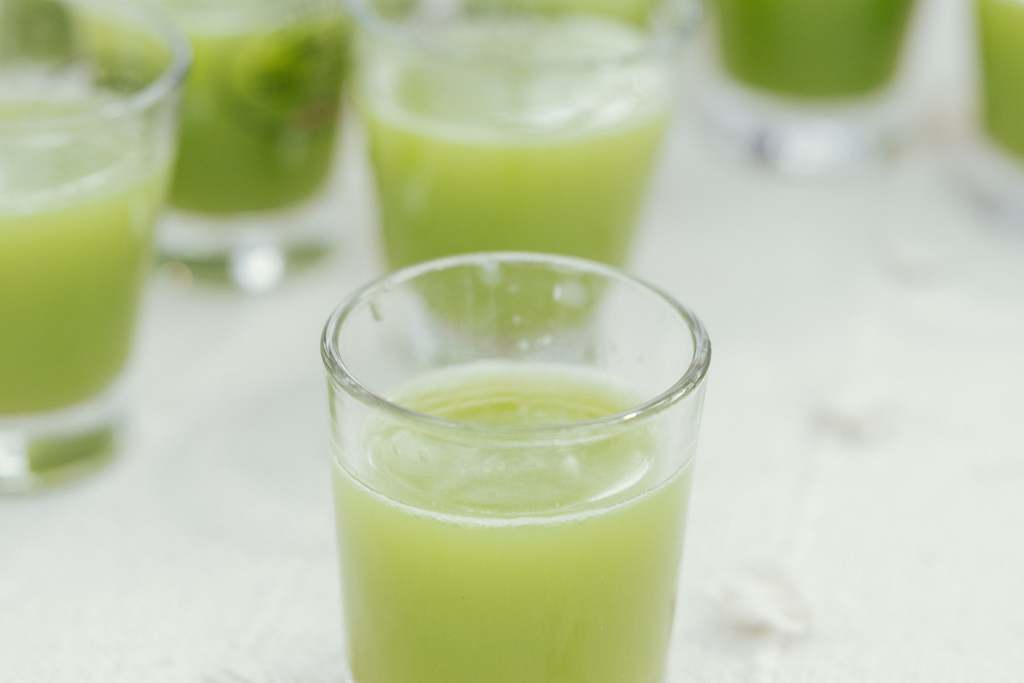
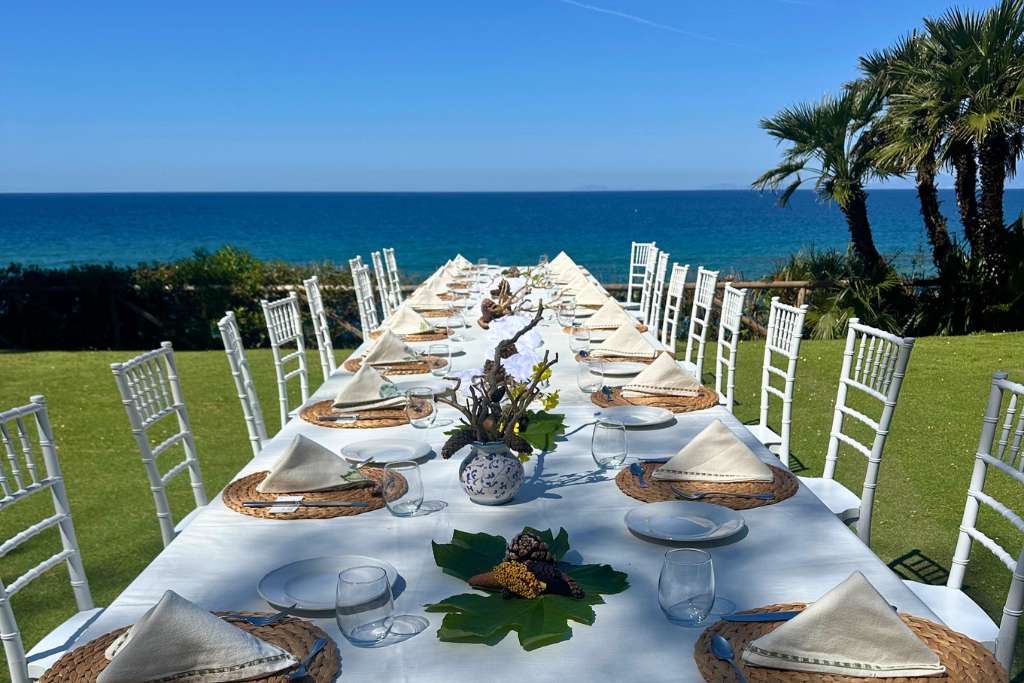
Meals are prepared fresh onsite by Ayurveda chef Asia Kostka, whose philosophy is that food — beautifully presented and prepared with love — is medicine. Breakfast, a warm nourishing porridge, is always served in complete silence; lunch, often on the lawn overlooking the sea (and social), is a three-course extravaganza of pure and fresh-foraged ingredients, while dinner (tables intimately set for one or two), is always a simple soup and tea.
Days begin with sunrise followed by yoga and end with sunset and sound healing. Special guest lecturers also make appearances. During my time at Datu, Tibetan Buddhist Master Tulku Lobsang offered slices of wisdom and humor about Tibetan culture and medicine.
“Western medicine focuses on pharmaceuticals and X-rays, while Eastern medicine is about energy flow and removing the blockages that lead to illness,” explains Bjerke. “In softening the nervous system, communication also becomes clearer, decisions feel calmer, and boundaries more natural.” As there are differing ways to remove energy blockages, Datu also brings in Tibetan and Traditional Chinese Medicine so people have access to various modalities and those they resonate with most.
Across all of the medicinal paths, Datu gives permission to just be. “Spend the week being selfish,” Bjerke says. “Gift yourself space for contemplation — in the gardens, by the sea. Journal in your notebook. Sleep as late as you want. Do what feels right for you. Take everything you need during your time here. And nothing that you don’t.”
The Rhythm
And in this beautiful ancient palazzo overlooking the sea, the rhythm is easy. Every morning I awaken to church bells tolling, skip my usual morning coffee, and make my way through the gardens and lemon trees to a blue-and-white-striped door where stairs lead to the beach for a thalassotherapy walk. By 8:30, I am in uniform, eating my porridge in silence, and beginning my prescribed treatments: Abyanga massage, where generous amounts of warm oil are poured onto my body, face, hair, and scalp; followed by cupping, acupuncture, and moxibustion with the Chinese Medicine doctor.
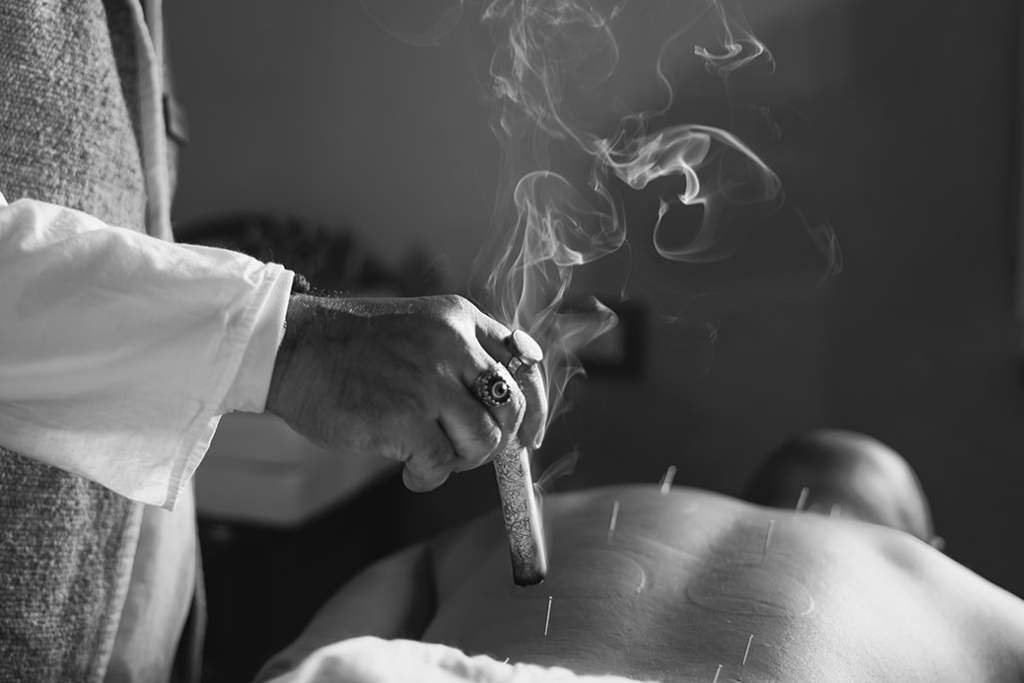
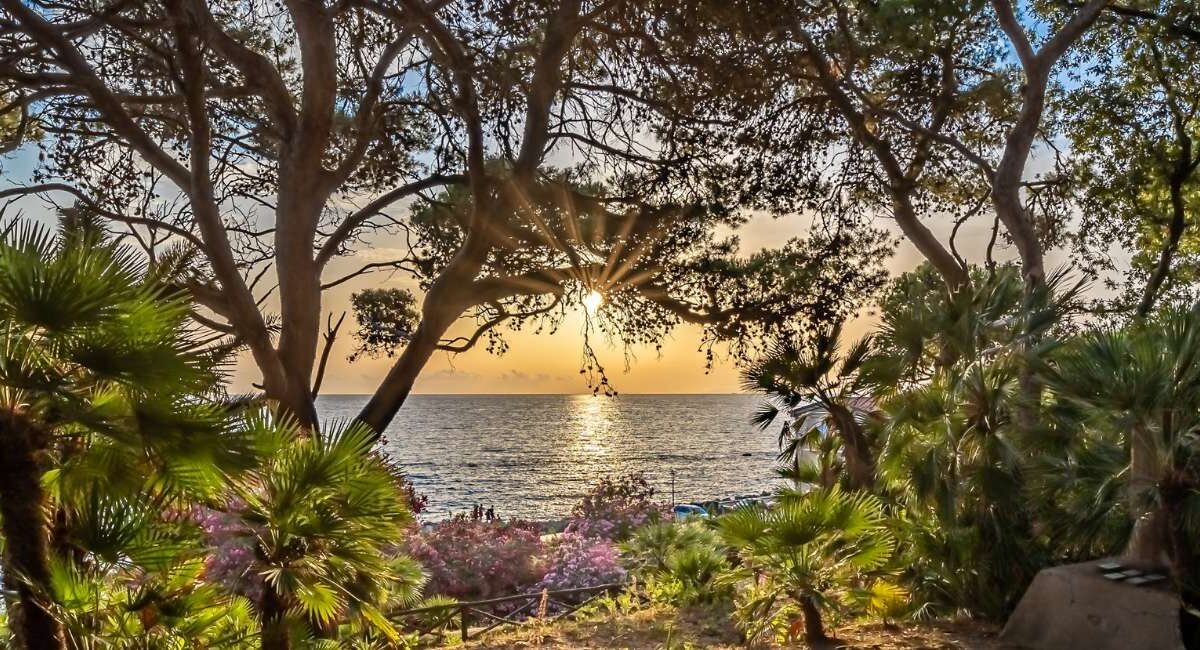
Relaxing afterward on my terrace, I watch in amusement as a few of the European attendees trade in their kurtas for unassuming street clothes and slip off to the village for a late-morning cappuccino. By lunchtime, they are back around the long table overlooking the sea, dining on fresh, nutrient-dense, sattvic fusion cuisine. Afternoons bring more treatments (Indian deep tissue, one-on-one session with the doctor) and talks with Tibetan master Lobsang who gently reminds to live in the present. Evenings end with a tangerine-pink sunset over the ancient cork trees and umbrella pines, and inside the white-canopied yoga shala, a sound-healing session with Tibetan and crystal singing bowls.
By 9 pm, I am in bed, feet warm against the furry hot-water bottle. Instead of scrolling my phone or calling home, I sleep — deeply and uninterrupted — awakening at daybreak to begin the reset all over again.
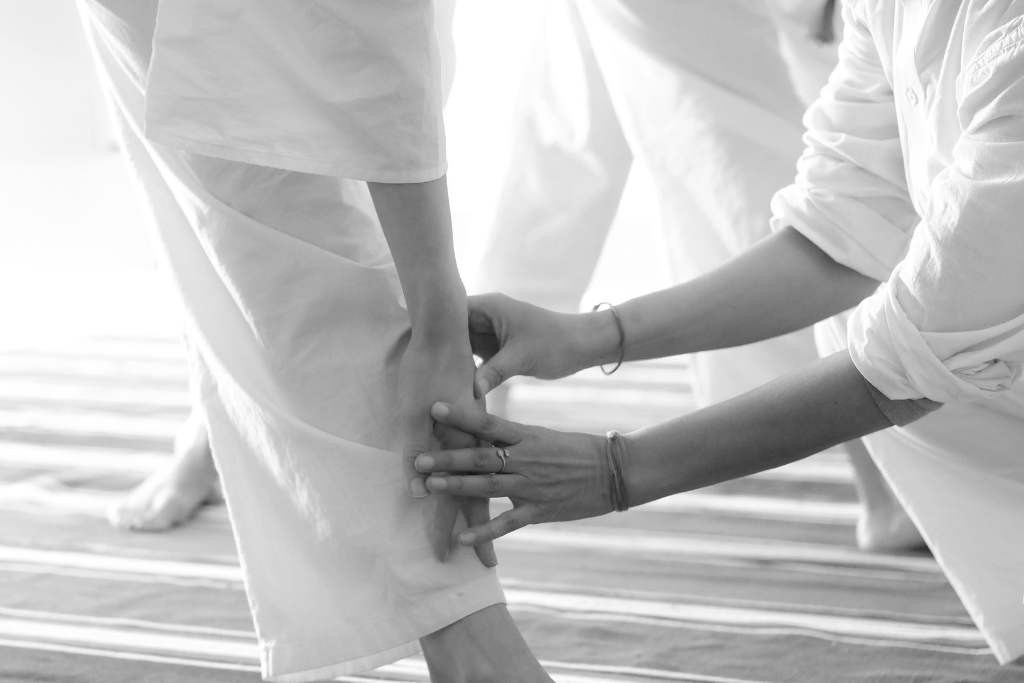
One of the most treasured discoveries of my very personalized itinerary (presented every evening at dinner) is Horgyimetsa, a Tibetan treatment designed to rebalance the nervous system and calm the mind from overthinking. Starting with my back, my therapist Ngawang Yangzom Bhutia, using only her thumbs, presses deeply moving into my shoulders, neck, arms, fingers, legs, and even toes, supplementing each movement with tiny warm poultices filled with medicinal herbs and spices such as nutmeg, sesame, and caraway. The treatment ends with a deep and grounding scalp massage.
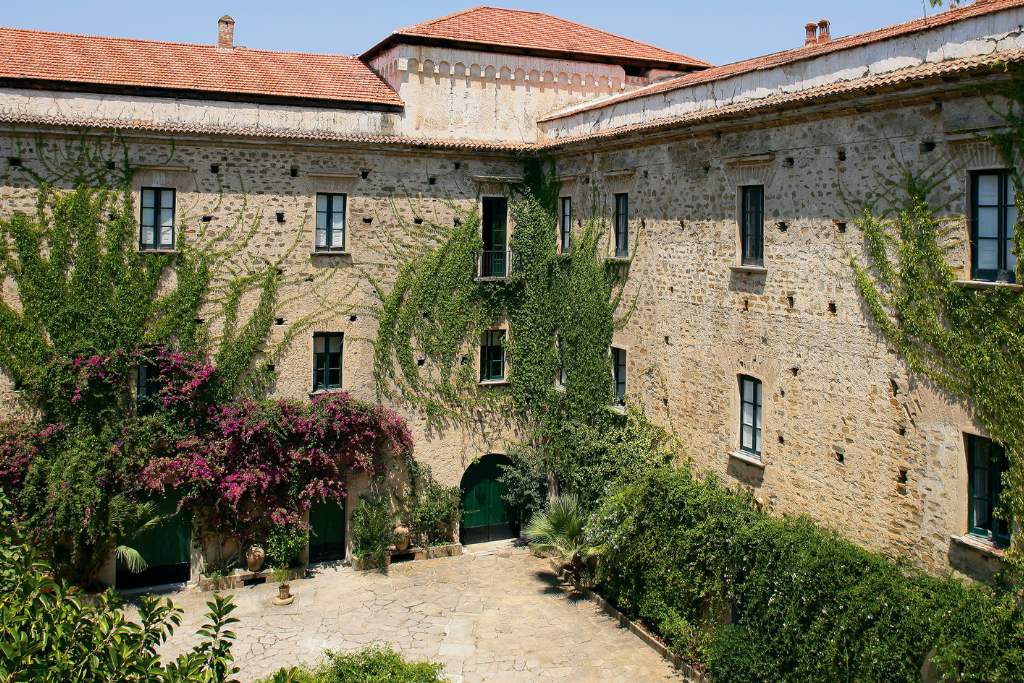
Later, over warm citrus tea, Ngawang explains that hot herbal massages are delivered frequently— even daily — in Tibet. And that in ancient days, the physician would arrive at a patient’s home and stay until full recovery, constantly applying warm medicated oils. An official diagnosis was made only after tasting the patient’s urine. “The doctor never became sick,” she says, “but to be a doctor in ancient Tibet required pure selflessness.”
On my final day at Datu, after one more round of treatments: more Abyanga and another Tibetan massage — this time with large poultices filled with warmed blackberries, turmeric, and cloves — I transform my uniform into a short white dress and wander into town. The scent of Italian coffee drifts along the cobblestone streets, pulling me toward a waterfront café.
I stop. “This way,” the server waved me toward a table by the sea.
Six days without caffeine, sugar, dairy, alcohol, or animal fat. My mind is clear, my skin glowy, my nervous system reset.
And I pause. Shake my head no. And keep walking.
Feature image, courtesy of Datu Wellness
Note: Datu Wellness returns to Palazzo Belmonte, October 19 to November 23, 2026.