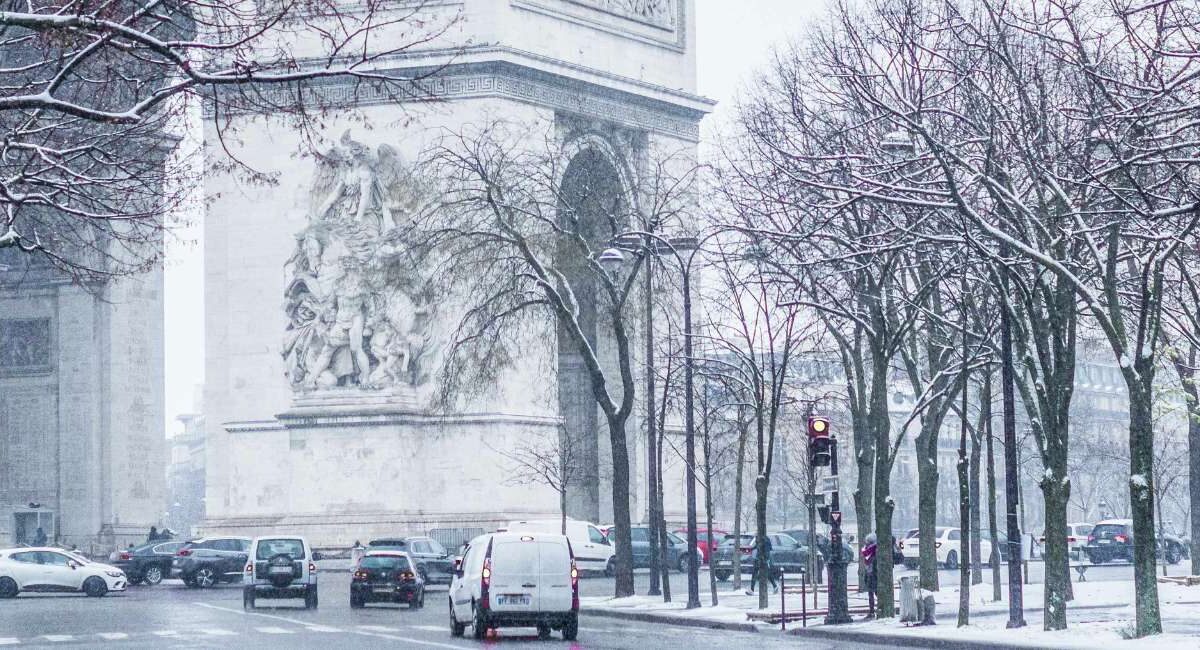
Paris is always a good idea. January, however, may be when it’s at its most compelling.
The holiday crowds thin, the pace resets, and daily life comes back into focus. Locals reclaim their cafés, galleries, and favorite tables, and the rhythm feels intuitive rather than performative. It’s an ideal moment for a winter escape that favors wandering over scheduling and rewards curiosity over checklists.
This is also when the biannual winter sales take hold across the Marais, Saint-Germain, and the Golden Triangle, drawing Parisians in search of beautifully made pieces at prices rarely seen the rest of the year. Major institutions, including the Fondation Louis Vuitton and the Musée d’Orsay, unveil new exhibitions, inviting visitors to linger rather than rush. Lines are minimal, elbows are kept to oneself, and neighborhood galleries reopen after the holiday lull—often with some of their most thoughtful programming of the season.
January brings Paris Fashion Week Men’s, when designers, editors, and stylists spill into cafés, hotel bars, and quiet corners, turning everyday settings into informal extensions of the runway. It’s prime people-watching territory and a reminder of the creative energy that quietly underpins the city.
Winter suits the softer pleasures here, too: long afternoons in cafés, buzzy new restaurant openings, and restorative rituals at hammams and private spas. With fewer visitors, spontaneity returns—easy reservations, impromptu museum visits, unhurried neighborhood walks, and the rare luxury of experiencing Paris entirely on your own terms.
For Fashion Lovers
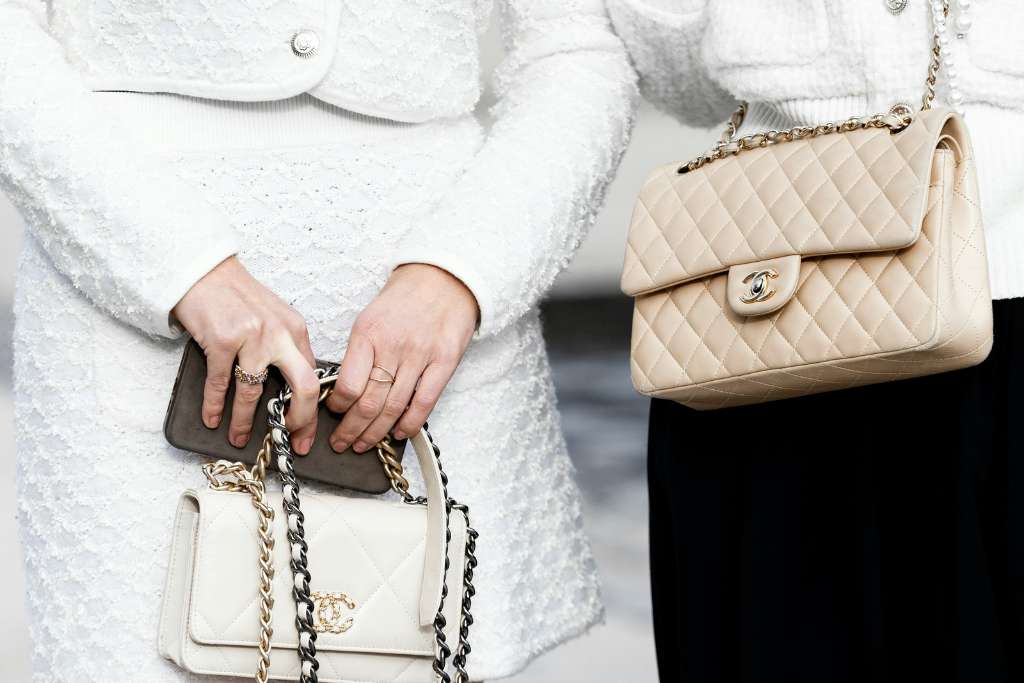
January is when Paris leans fully into fashion. The biannual winter sales (les soldes d’hiver) take over, drawing locals to labels they actually wear — Saint Laurent, Isabel Marant, A.P.C., Sandro, Maje, The Kooples — at prices rarely seen the rest of the year. The Marais and Saint-Germain offer the strongest browsing, especially early in the season, when selection is still deep and the mood is unhurried.
Men’s Fashion Week, running January 20–25, 2026, adds another layer. Designers, editors, and stylists descend for shows, presentations, and pop-up installations, with emerging labels often choosing intimate Marais showrooms over grand venues. It’s a front-row view of trends forming in real time —less spectacle, more substance.
For a quieter, more hands-on take, January is also an ideal moment to explore the city’s artisanal side. Book a visit to a Parisian atelier and see craftsmanship up close. Atelier Cologne and Fragonard offer bespoke scent experiences, while Atelier Paulin creates hand-formed jewelry made to order, often while you wait. Many studios open their calendars for private appointments this month, making it an unusually accessible time to engage directly with the makers shaping Paris’s creative life.
Art and Culture Experiences
January is one of the most rewarding months to experience Paris’s major museums without the usual queues, turning places like the Louvre, the Musée d’Orsay, and the Centre Pompidou into calm, almost private cultural spaces. Winter light filters through their grand halls, making it easier to linger with works that are often rushed past the rest of the year. The quieter pace invites reflection on the city’s layered history — including moments like the early 20th-century theft of the Mona Lisa, an episode that only amplified the painting’s global mystique.
The contemporary art scene reawakens early in the year as well, with Marais galleries and Left Bank institutions reopening with thoughtful new exhibitions. January vernissages are common, offering a relaxed, insider way to encounter artists, curators, and the city’s creative crowd. Afternoons unfold easily here, moving from one showroom to the next, discovering new voices along the way.
For something more immersive, winter is also an excellent time to book a performance at the Palais Garnier or the Opéra Bastille, when the season is often at its strongest. Ballets, operas, and symphonic concerts feel heightened against cold evenings and gilded interiors. Add a late dinner in the 9th arrondissement, and the night takes on a distinctly Parisian cadence — unrushed, elegant, and quietly memorable.
The Food and Drink Scene
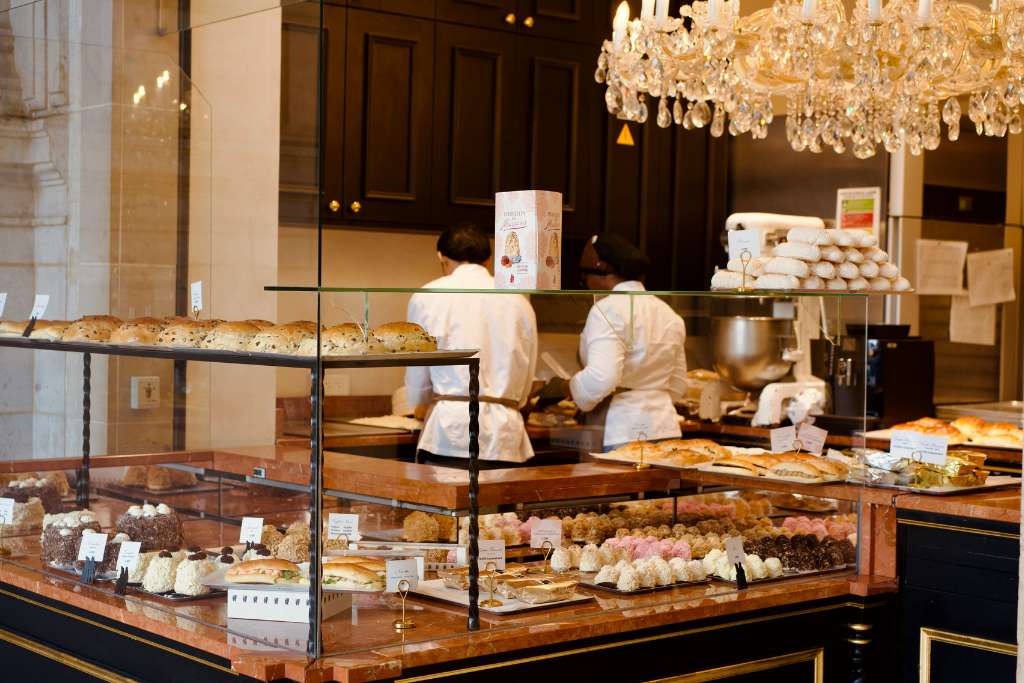
January is the easiest month to land notoriously hard-to-get reservations, including beloved spots like Mokonuts. Classic cafés feel particularly inviting now: linger over a long afternoon at Café de Flore or La Fontaine de Belleville with a chocolat chaud, or tuck into neighborhood institutions like Le Progrès, which feel refreshingly local once the crowds thin.
Open-air food markets are also far more pleasant this time of year. At Marché Bastille, Marché d’Aligre, or the organic market along Boulevard Raspail, browse without jostling as you gather Brittany oysters, still-warm baguettes, winter citrus, and rich cheeses — perfect picnic material, even in colder weather. Early-year restaurant openings add momentum, from natural wine bars to neo-bistros reworking classic French comfort dishes. January is also prime season for truffle-forward menus, deeply satisfying onion soup at Bistrot Paul Bert, and relaxed wine bars like Septime La Cave or Compagnie des Vins Surnaturels.
Men’s Fashion Week brings extra energy to the cocktail scene. Yes, they’re classics — but still worth it: Bar Hemingway and Hôtel Costes remain magnets for post-show bar hopping. For something quieter and more intimate, seek out smaller addresses with a subtler sense of glamour. At the bar at Maison Proust, Friday nights feature Proust-inspired cocktails by legendary bartender Colin Field, whose tenure at Bar Hemingway helped define modern cocktail culture. It’s quickly become one of winter’s most coveted rituals.
My Favorite Hotel
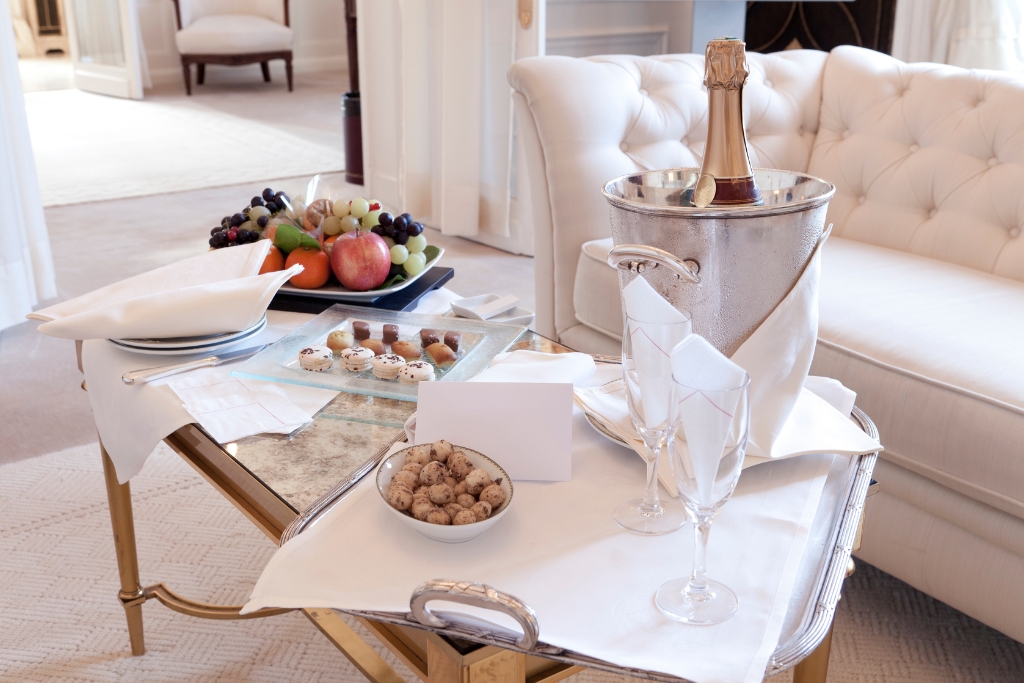
There’s something deeply satisfying about slipping upstairs after a cocktail or two. Maison Proust is one of Paris’s most compelling places to stay: a richly imagined Belle Époque mansion with just 23 rooms, inspired by Marcel Proust and designed by celebrated French decorator Jacques Garcia. It feels layered and intimate rather than precious — exactly the kind of hotel that rewards lingering.
The quiet standout is the La Mer Spa, tucked discreetly below ground. Alongside a hammam, sauna, and three treatment rooms, guests receive a complimentary private hour in the mosaic-tiled Salon d’Eau — a restorative pause that feels especially welcome after a long day of walking, shopping, and museum hopping.
Location helps, too. The hotel sits just steps from the Palais Royal and an easy stroll to the Louvre, making it effortless to move between cultural landmarks and quieter neighborhood moments. Upstairs, each room and suite pays tribute to the artists, aristocrats, and muses who shaped Proust’s world, with lacquered wood corridors leading into jewel-toned salons. It’s immersive without feeling staged — a hotel that understands atmosphere as a form of restraint.
Feature image courtesy of Unsplash