Ever since I was a child, I have been drawn to the sea. Even now, I can spend hours walking the coastline or wading through knee-deep aquamarine waters, combing for starfish and sea glass — immersed in the quiet ritual of thalassotherapy. So I never quite understood the allure of a freshwater lake. The only lake I ever really knew was Deep Creek Lake in western Maryland. And while pretty (and deeply rooted to the maternal side of my family), it always paled, for me, in comparison to the ocean.
Then I met Lake Geneva — Lac Léman to the French-speaking Swiss — cradled between the Alps and the Jura Mountains. I wasn’t prepared for its beauty: snowcapped peaks mirrored in the water; light that shifts from silvery (morning) to sapphire (midday) to almost opalescent (dusk). Spanning 45 miles, Lake Geneva is the largest lake in Western Europe, its shores traced with terraced vineyards, medieval towns, and an unshowy elegance.
It made me wonder what other lakes could surprise me.
From the desert of Morocco to Australia’s bubblegum-pink Hutt Lagoon to the refined, celebrity-specked shores of Italy’s Lake Como, the following lakes showcase some of the most unexpected and unforgettable beauty in the world. Each has its own story, its own personality, and its own way of drawing you in.
Lake Como, Italy
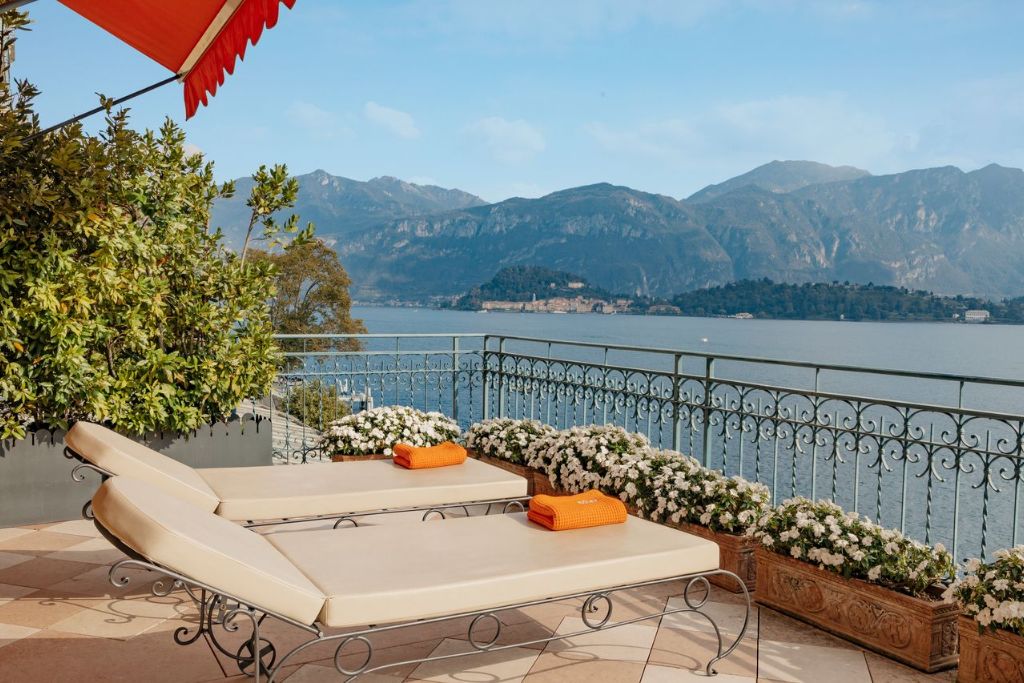
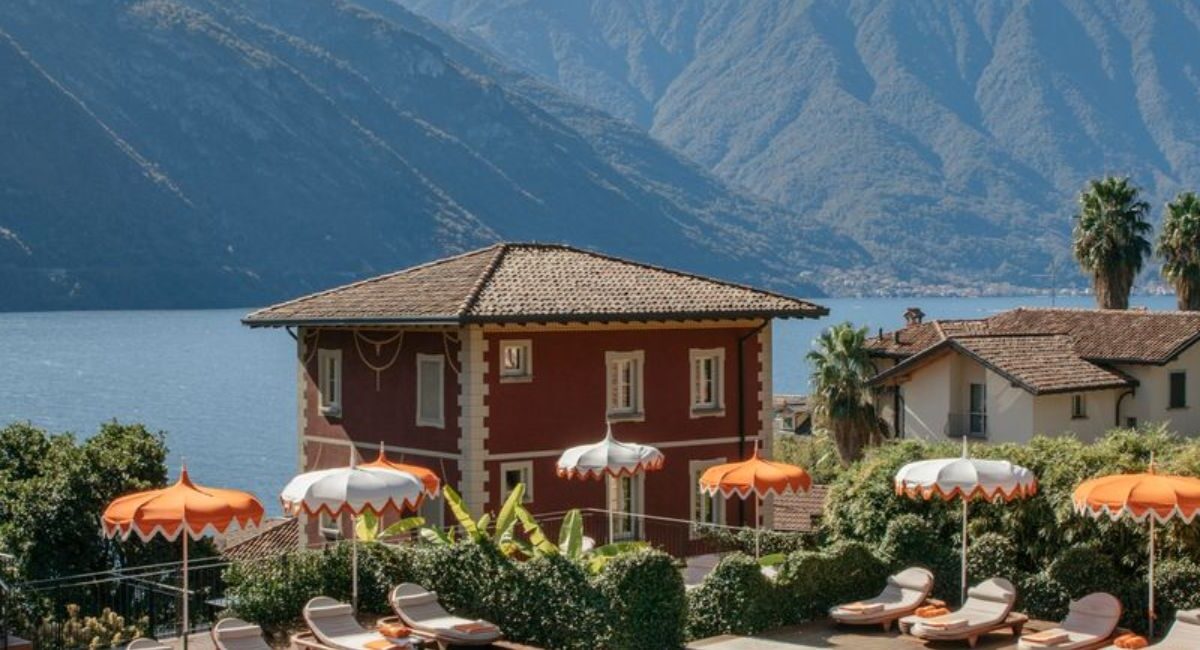
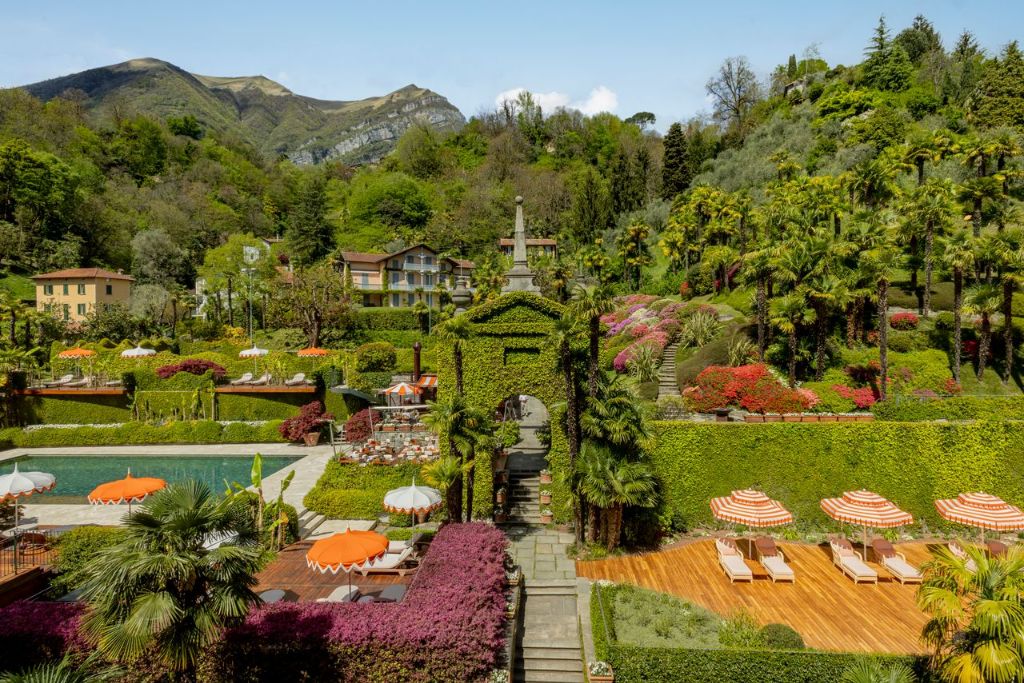
Said to be the most James Bond of the Italian lakes (parts of the movie “Casino Royale” were filmed here), the iconic Lake Como, about an hour north of Milan, is surrounded by neoclassical villas and best known for its Clooney factor. Actor George Clooney and his wife Amal own an 18th-century villa here, and his cadre of famous and high-glam friends regularly make it their summer vacation spot. But the true star here is the lake itself. Known for its picturesque beauty and elegance, Lake Como appears like an upside-down Y, a sapphire blue lake at the bottom of the Alps. Narrow and deep its draw is in its fusion of alpine grandeur (Switzerland is just over the ridge) and unmistakably Mediterranean sexiness, you’ll see palms, cypress, and chestnut trees on the shore, and snow-capped mountains in the distance. In summer enjoy boating, paddle boarding, jet skiing, kayaking, and swimming, or stroll its fabulous gardens, lush greenery, and enjoy people-watching in the sunny restaurants and cafes nearby.
Where to Stay: Grand Hotel Tremezzo, built by a marquis from Milan in the 17th century and today an iconic Art Nouveau hotel, sits directly on the banks of Lake Como. Rooms come with decadent private balconies and terraces overlooking the lake or the expansive park where you’ll find a bamboo forest and luxe Italian garden with fountains and citrus trees. There are also three outdoor swimming pools, including one that sits directly on top of the lake.
Crater Lake, Oregon
Oregon’s natural beauty is legendary, and Crater Lake lives up to the hype. Formed some 7,700 years ago when an ancient volcano collapsed, it is the deepest lake in the U.S. at 1,943 feet — and possibly the clearest and bluest as well. Located in Crater Lake National Park, its still waters reflect the Cascade Mountains. The lake has no inlets or streams, meaning rain and snow are its only sources of water — pure, sediment-free, and impossibly blue.
Explore the 33-mile rim by bike or car, stopping at Vidae Falls, where water cascades down a cliff, or Pinnacles Overlook, home to 100-foot volcanic rock formations frozen in time. In summer, hike to the fire lookout tower, take a dip in the icy water, or boat across the lake’s serene surface.
Where to Stay: Crater Lake Lodge, a charming chalet-style retreat, offers panoramic views of the lake and its cliffs.
Hutt Lagoon, Australia
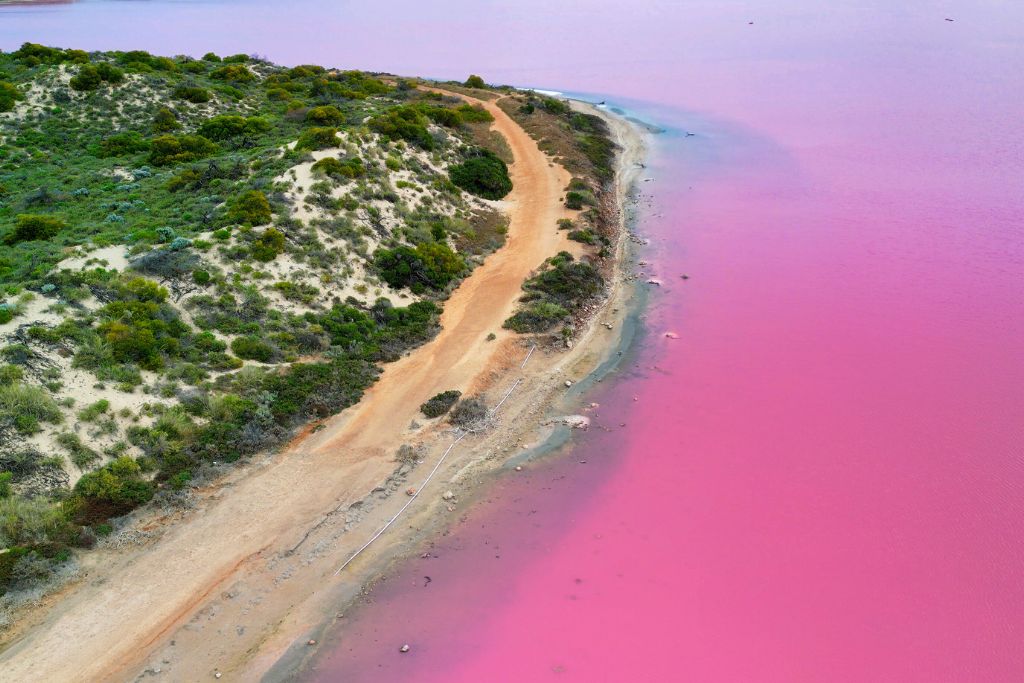
Known for its Instagram-famous pink waters, Hutt Lagoon in Western Australia is surreal. A five-hour drive from Perth, this salt lake is painted bubblegum pink by microalgae that produce beta-carotene, and its color shifts with the sun and cloud cover. Walk along the shore, wade knee-deep into the water for photos, spot pelicans, kayak, or take to the skies on a scenic flight for an unforgettable aerial perspective.
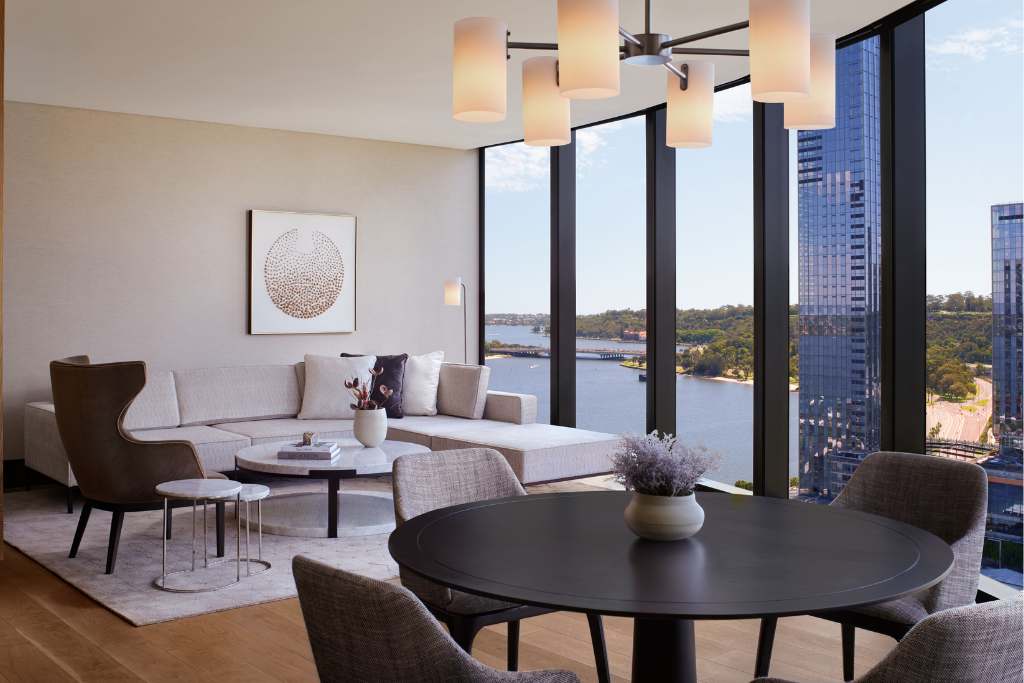
Where to Stay: Base yourself in the fishing village of Port Gregory, just north of Geraldton, or stay in Perth at The Ritz-Carlton, Perth, overlooking the riverfront at Elizabeth Quay.
Loch Ness Lake, Scotland
Shrouded in mystery, Scotland’s famous Loch Ness Lake comes with the tale of a large monster lurking deep beneath it. Since the first photograph emerged in 1933, stories of “Nessie,” described as large, long-necked, and with more than one hump, have circulated – intriguing travelers and baffling scientists. Deeper than the North Sea (over 700 feet deep and 23 miles long, Loch Ness contains more water than all the lakes of England and Wales combined, making it the most voluminous lake in the UK. Add to it, the Highland’s dramatic scenery, stunning castles, picturesque lighthouses, and of course, its cows. Loch Ness is huge and to walk each section would take six days – though each part of the trail has unique sites. For a walk, take one of the six sections and follow that part of the trail.
Where to Stay: Loch Ness Lake is a 15-minute drive from Inverness (40 minutes from the airport) and you can also make easy day trips to Cawdor Castle, the Isle of Skye, and Cromarty for dolphin spotting. Stay at Loch Ness Lodge, a stylish property that serves up the best breakfast in Scotland. Pancakes come with caramelized bananas and real maple syrup and afternoon tea is served with scones and cream, and buttery Scottish shortbread. Added perks include a jacuzzi, sauna, massages, and reflexology treatments which you might need after that long walk.
Lake Takerkoust, Marrakech
Just outside Marrakech, the Agafay Desert meets the man-made Lake Takerkoust, framed by the Atlas Mountains. Built in the 1920s to provide water and electricity, the lake stretches nearly five miles and spans 5,000 hectares, turning the desert into a lush, reflective oasis. Enjoy fishing, hiking, horseback riding, desert treks, or Moroccan cuisine at Le Relais du Lac, where waterside views complement the flavors.
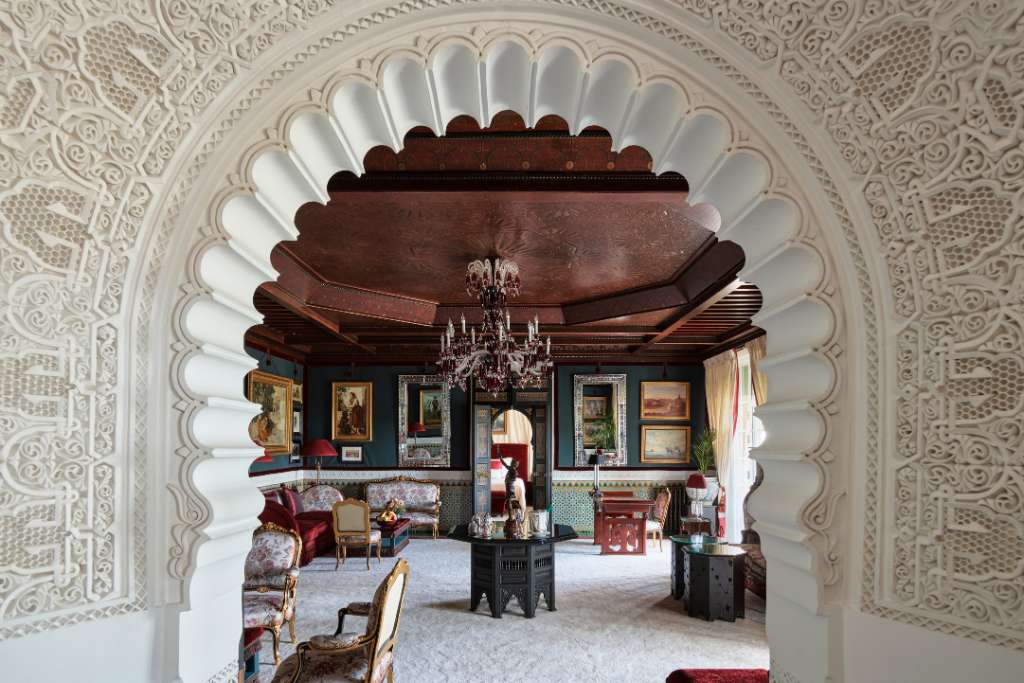
Where to Stay: La Mamounia, located just outside Marrakech’s medieval walls, is one of the most famous and palatial hotels in the world. From the moment you step through the huge souk door you are draped in sensuality and Arabian night fabulous from the silk-draped ceilings, marble fountains, spectacular gardens, and intricate Moroccan tile work.
Lake Louise, Canada
The Canadian Rockies’ most iconic natural wonder, Lake Louise, is famous for its turquoise waters framed by towering mountain peaks. The lake’s brilliant blue-green color comes from fine glacial sediment that reflects the sun in striking hues. Postcard perfect year round, Lake Louise is perfect for paddleboarding and hiking the shore line (in summer); spotting wildlife in Banff National Park, a UNESCO World Heritage Site, and skiing (in winter).
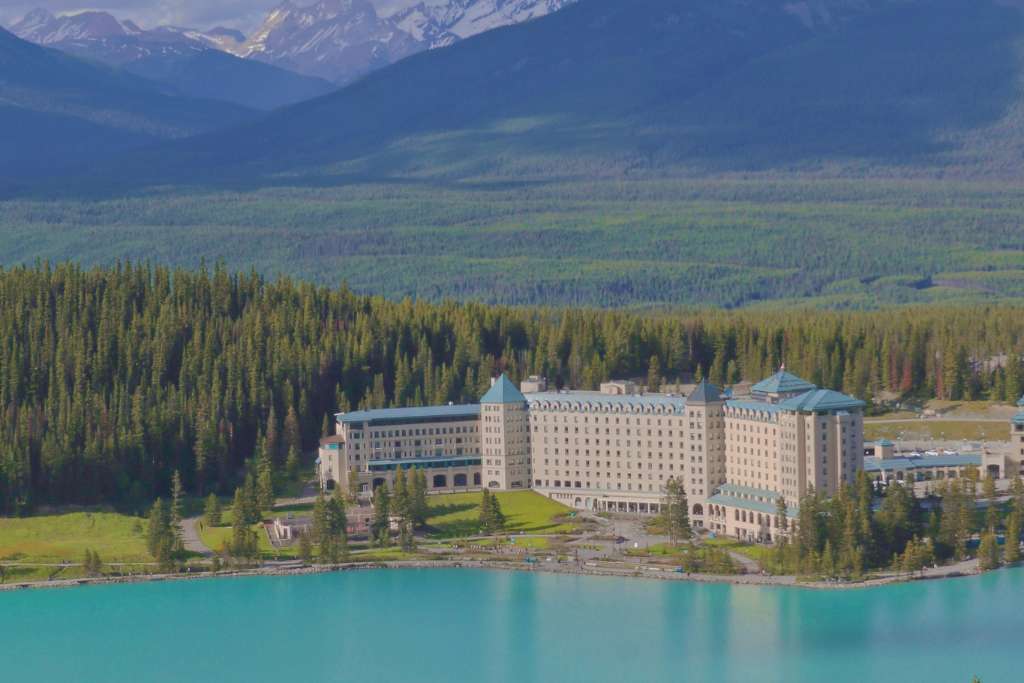
Where to Stay: There’s no better place than the iconic (and historic) Fairmont Château Lake Louise, overlooking the lake. Originally built in 1890, the hotel offers lakeview rooms, perfect for couples, and multi-bedroom suites for families and friends. Spend time too in the new Basin Glacial Waters thermal spa, replete with hot/cold circuits and stunning mountain views.
Feature image courtesy of Grand Hotel Tremezzo. Travel Curator may earn a commission from product or booking links on this page.