Walk into one of these hotels and you feel it immediately: the scale, the weight, the quiet sense of drama. Ceilings stretch endlessly overhead, marble floors catch the light, and somewhere nearby, a vault door the size of a small room hints at what this place used to be. Because before they were hotels, these buildings were banks — designed to impress, intimidate, and safeguard serious wealth. Their past lives are infused in every detail: the craftsmanship, the grandeur, and sense that something important once happened here.
But today, those marble floors lead to cocktail bars. Vault doors open to private dining rooms. And teller counters have been replaced with check-in desks. These are the historic banks that have been transformed into some of the most incredible hotels.
Corinthia Rome, Italy
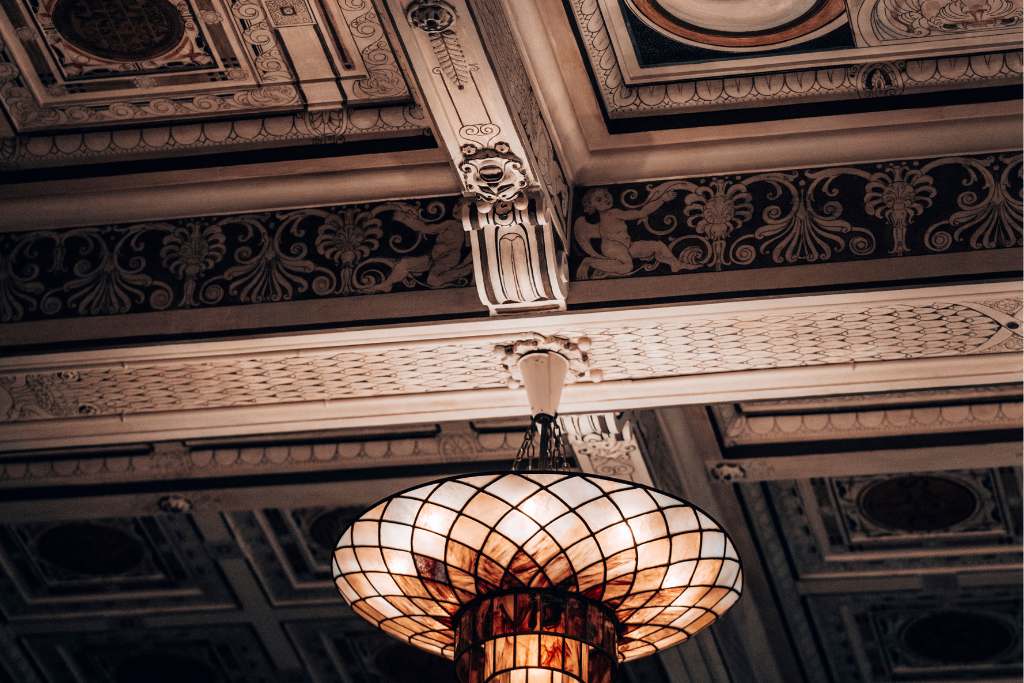
Set inside the former Bank of Italy on Piazza del Parlamento, just a short walk from the Pantheon, Corinthia Rome features original neoclassical structure from the early 20th century: symmetrical layout, soaring ceilings, marble floors, and original frescoes. The former vault is now a serene spa and the luxe Theodoli Heritage Suite has replaced the former council chamber. The interior design by G.A. Group evens out all that grandeur with a warm palette, plenty of upholstered seating, and sculptural lighting. Even the grandest of rooms, like the lobby, has been visually broken up into a variety of smaller zones, designed to feel intimate rather than ostentatious. The thoughtful restoration has kept the iconic work of architect Marcello Piacentini feeling just as special, though now, instead of coins, it houses 60 guest rooms including 21 suites and the beautiful (and tasty) Ocra Bar.
21c Museum Hotel, Durham, North Carolina
Housed inside the 1937 Hill Building, a striking Art Deco skyscraper designed in collaboration with the firm behind the Empire State Building, 21c Museum Hotel Durham is one of those rare conversions where the bones do most of the talking. Originally built as the headquarters for Durham Bank & Trust, the tower stood, for decades, as a symbol of the city’s financial power — all fluted lines, terrazzo floors, and polished elegance. As both a gallery and a hotel, the art shifts frequently enough that no two visits feel quite the same. The former banking hall, now home to the hotel’s restaurant, Counting House, retains its soaring scale and original detailing, but the mood has softened thanks to an open kitchen and unexpected decor (like a giant swordfish hanging from the ceiling).
Hotel Icon, Houston, Texas
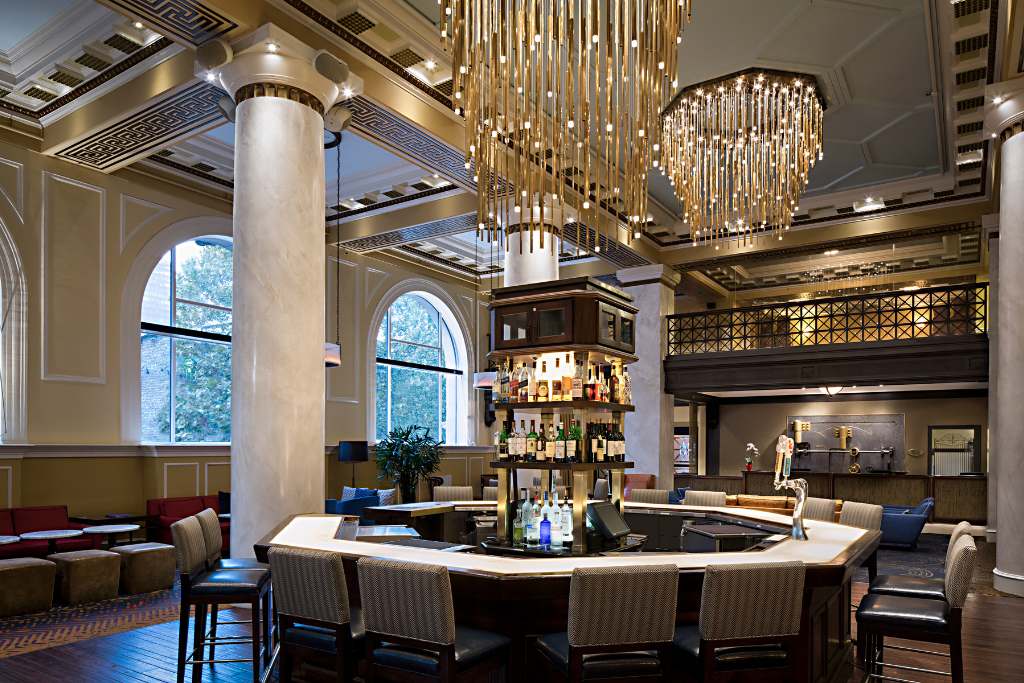
Built in 1911 as the Union National Bank, this downtown Houston landmark was one of the first-ever U.S. skyscrapers and still has all the hallmarks of a proper banking hall including double-height ceilings, marble columns, and arched windows that let in just enough light. The original steel vault is still here too, now sitting in the lobby, a reminder of the building’s past before its conversion into a hotel in the early 2000s. The giant columns now frame an octagonal modern bar, with oversized chandeliers to keep the drama, and contemporary striped upholstery to make it feel a little more casual. Upstairs, the 135 guest rooms exude more of that neoclassical style with plenty of architectural detail and unexpected pops of color.
Bank Hotel Stockholm, Sweden
Even after its transformation into a hotel, Bank Hotel Stockholm still carries that polished, buttoned-up energy, with heavy bronze doors, an incredible glass ceiling, and elegant blue-green stucco. Originally built as a major bank headquarters for Bankaktiebolaget Södra Sverige in 1910, it spent decades cycling through financial institutions before its hotel life began in 2018.
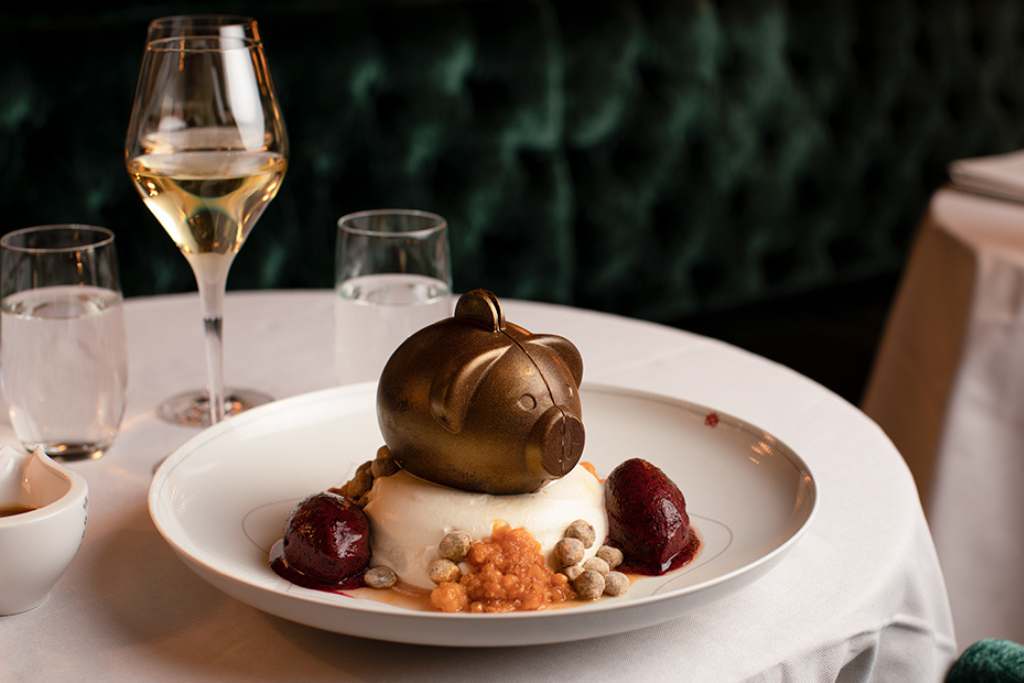
In Bonnies, the restaurant, tufted turquoise velvet banquettes, romantic floral arrangements, and fluted amber lighting help soften the cavernous space. Bonnies also serves a special dessert that allows guests to “smash the piggy bank” by taking a small mallet to a chocolate pig. Smaller rooms, like the wood-paneled Papillon bar adhere to the building’s original layout, but feel very current thanks to the resurgence of burl and dark woods, while the rooftop spot, Le Hibou, offers spectacular views of the city.
The Quoin Hotel, Wilmington, Delaware
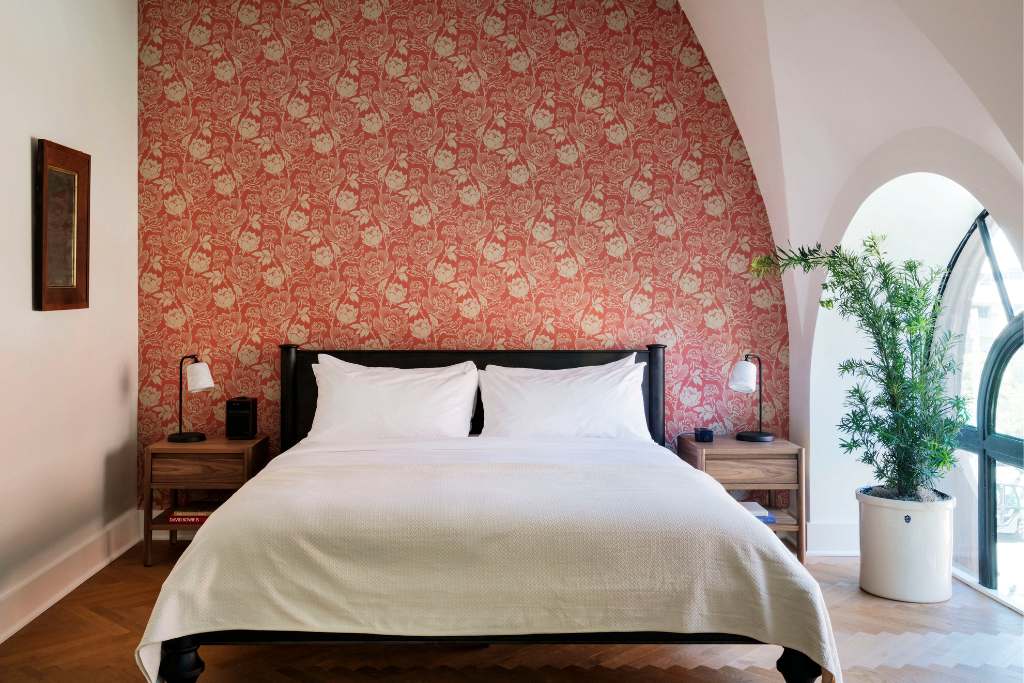
Set within an 1885 Frank Furness-designed brownstone, The Quoin Hotel gets its name from, you guessed it, the coins it used to hold. The building housed the Security Trust & Safe Deposit Company, and the 24-room hotel has restored much of the original architecture like the arched windows, masonry, and brass detailing. Even the palette used for the hotel’s furniture and decor was inspired by Victorian paints.
Patterned wallpaper, painted millwork, and Shaker-style furniture make the interiors feel warm and welcoming, while the former vault now doubles as a cocktail bar. Upstairs, rooms are lighter and calmer, with fireplaces and original windows doing most of the work. The rooftop bar feels decidedly more modern, but offers beautiful views of Wilmington’s old town.
One King West Hotel & Residence, Toronto, Canada
Walking into One King West feels a little like stepping onto a movie set. The original Dominion Bank building, completed in 1914, delivers full Beaux-Arts drama with Renaissance Revival details and — at 12 stories — was originally considered a skyscraper. It has towering columns, a beautiful marble grand staircase, and ornate brass details. The vault, carved directly into bedrock, is still here, complete with a steel door that feels slightly overqualified for its current role as a backdrop for wedding photos. What makes this hotel interesting is the contrast. The historic base floors connect to a modern glass tower added in 2006, so you’re constantly moving between old and new. Upstairs, suites feel more apartment like with kitchens and city views.
The Candler, Atlanta, Georgia
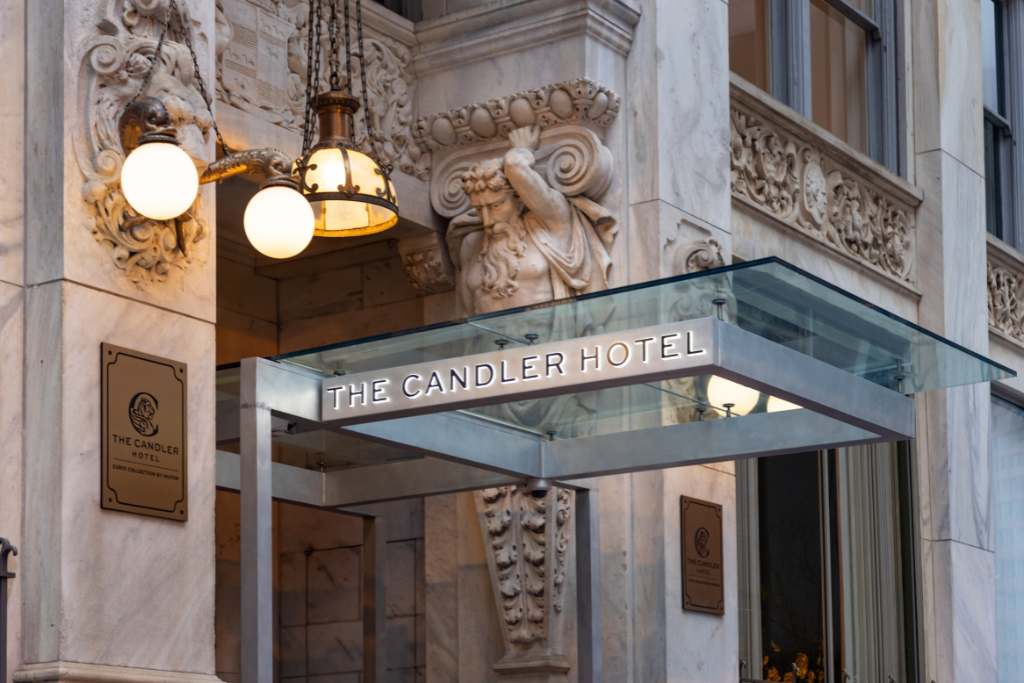
Built in 1906 by Coca-Cola founder Asa Griggs Candler, The Candler is now listed on the National Register of Historic Places. Originally designed as a bank and office tower, the building is adorned with marble columns, coffered ceilings, and sweeping staircases. Upstairs, guest rooms are a bit more mellow, trading in the opulence for cleaner lines and brightly painted walls and softer textures, but it’s really the restaurant, By George, that grounds the space. Occupying the former banking hall, the restaurant uses banquettes, layered lighting, and a thoughtful mix of materials to feel more intimate.
The Kimpton Hotel Monaco, Salt Lake City, Utah
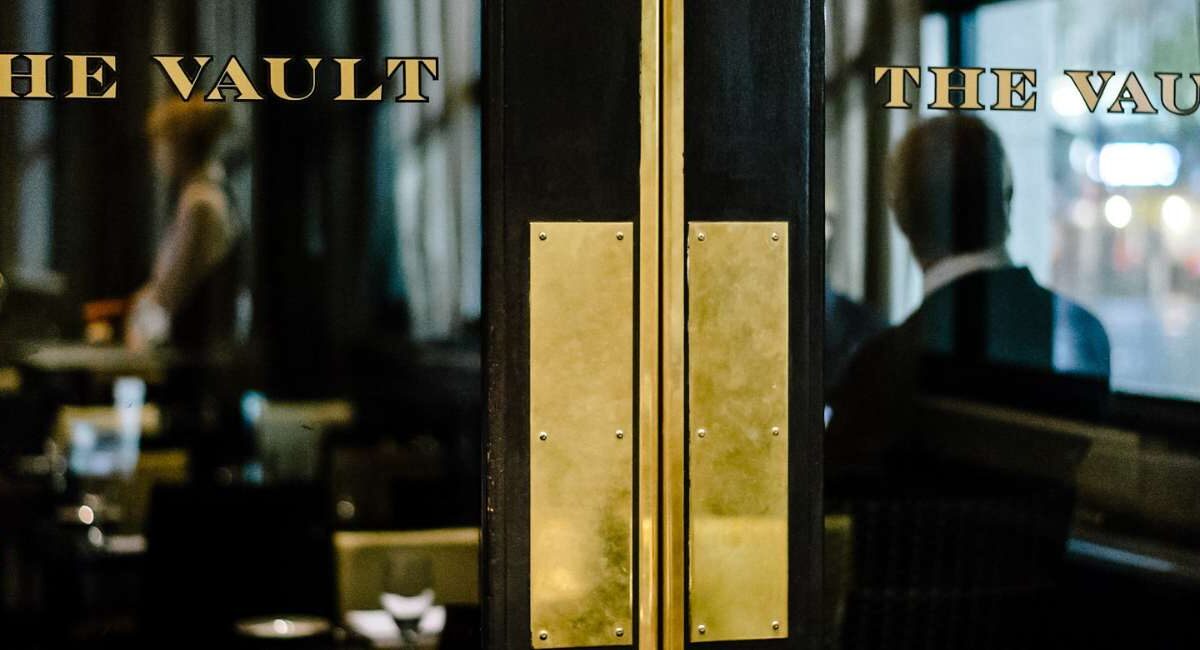
Featuring marble floors and arched windows, The Kimpton Hotel Monaco was originally home to the National Bank of the Republic before becoming the Continental Bank. Converted into a hotel in the late ’90s, The Kimpton affixed with bold textiles, patterned carpets, and pops of color. Its restaurant, Bambara, takes over the former banking hall, keeping its polished marble floors and original brass teller windows, while downstairs, The Vault cocktail bar, set inside the bank’s original safe room, frames a decidedly more fun kind of transaction.
Orientbank Hotel, Istanbul, Turkey
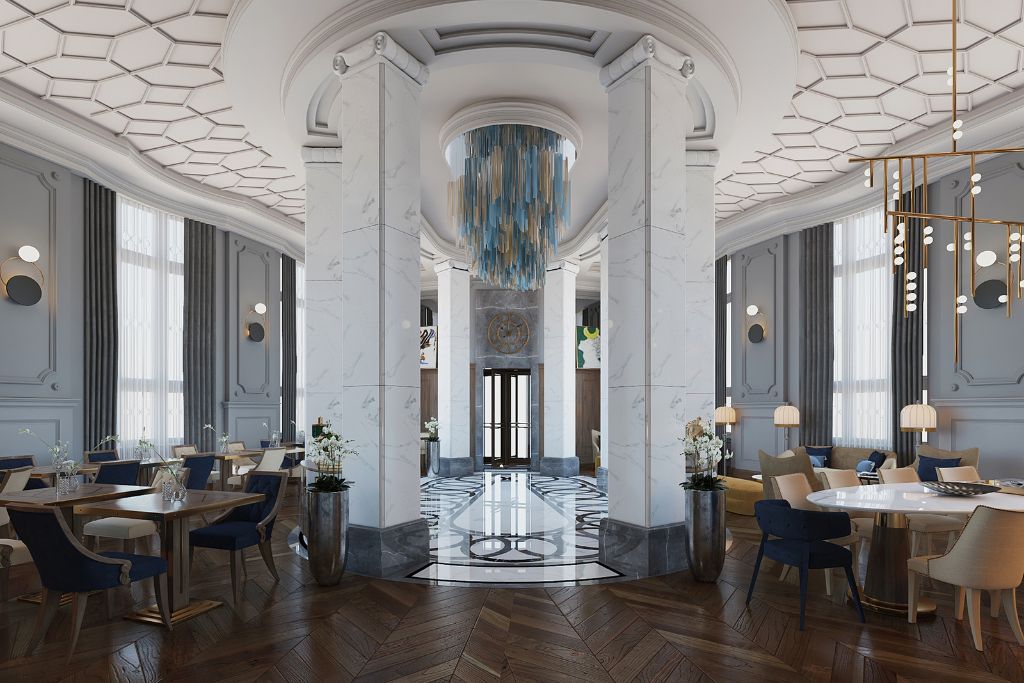
Set in the middle of Istanbul’s Sirkeci district, Orientbank Hotel was built in the early 1900s as the headquarters of the Deutsche Orientbank. The building was designed to signal stability and global ambition at a time when banking was as much about image as it was about money. You still see that in the formal symmetry, copper-domed roof, and the marble staircase. But now, it’s been given a much more livable second life. There’s a jazz bar downstairs and a rooftop that opens out to sweeping views over the city, which is exactly where you want to end up after a day of navigating Istanbul.
Metropolitan at The 9, Cleveland, Ohio
Split between a 1970s tower and the landmark Cleveland Trust Company Building from 1908, Metropolitan at The 9 comes with soaring ceilings and ornate detailing. The vault remains one of the biggest draws, its massive brass-coated steel doors now openi into a dimly lit cocktail bar. Beyond, the mood shifts as the hotel opens up into a full-on social scene with a rooftop lounge overlooking downtown, multiple restaurants, and enough built-in nightlife to carry you from dinner into drinks.
Feature image courtesy of The Kimpton Hotel Monaco. Travel Curator may earn a commission from product or booking links on this page.