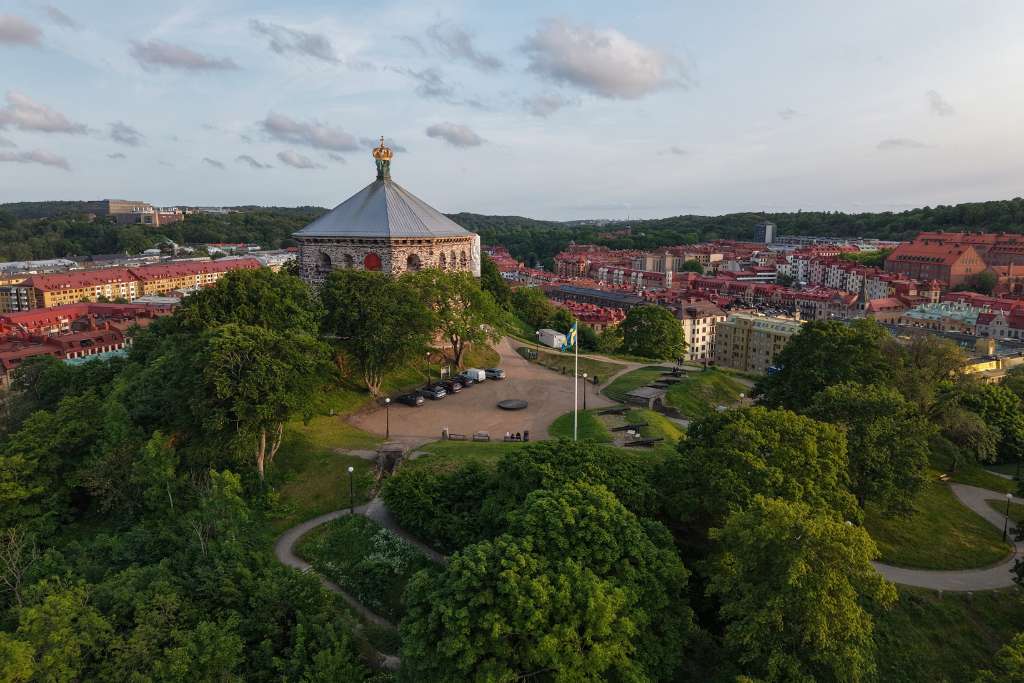
Sweden has many claims to fame: ABBA, Alfred Nobel and his namesake prize, the stark beauty of the Lapland ablaze with the Northern Lights, Stockholm’s design and fashion razzle dazzle, its beloved fika and fish in all forms (pickled, tinned, or sugared in sour gummy candy), but over on its west coast, Sweden’s marvels unfurl more subtly. Equal splendor, less splash. That was my first impression as I zipped up to the 33rd floor of Gothenburg’s hip and contemporary Clarion Hotel Draken for an evening cocktail. Below me, Sweden’s second largest city glowed in soft Vermeer-ish hues — canals and red-tiled roofs spilled out around the historic city center, while remnants of the old Scansen Kronan fortress, though only a few centuries old, gave medieval European vibes. In winter, this view is a twinkling panorama beneath an extended curtain of darkness, but in summer and early fall, the Scandinavian light lingers — burnishing a golden enchantment across the city and surrounding coast.
Perhaps the light falls so gently because life in general seems gentle here. Despite the long, cold winters, or maybe because of them, the Swedes are a warm bunch — kind, friendly, helpful — and Gothenburg similarly radiates a welcoming ease. For starters, the city is a breeze to navigate, thanks to the seamless Västrafik To Go app, where you can purchase a One Transit card and zip pretty much anywhere you like via bus, boat, or tram (Zone 1 covers most of the tourist spots, including ferries to the Southern archipelago). If you prefer self-propelled exploring, the city is a walking and cycling haven, with ubiquitous, safe-bike lanes and pedestrian paths through stellar urban parks like the tree-lined Kungsparken (King’s park), stretching alongside the waterway.
This interconnected, environmentally friendly infrastructure is one of the reasons that Gothenburg has earned eco accolades as the world’s Most Sustainable City, topping the Global Destination Sustainability Index for several years running (though in 2025 it dropped behind Helsinki by one point). Through its Green City Zone Initiative in partnership with Volvo, which has its global headquarters in Gothenburg, the city has implemented emission-free sustainable transportation modes, including robotaxis, and is making strides towards its goal of becoming climate-neutral by 2030. This is not green washing — Sweden reveres nature like the U.S. embraces football and apple pie. A love of all things fresh air, forested and wild is intrinsic to the culture here, and palpable in this city laced by waterways and cradled by breathtaking landscapes.
The Trädgårdsföreningen, a 19th-century garden at the heart of the city, is a prime example of how nature is never far. Here, just across from my centrally located hotel, the circa 1859 Hotel Eggers, I meandered through the botanical greenhouse, watched kids climbing on jungle gyms, and simply savored the shady, green oasis of an urban arboretum. The gardens link up to the Kungsparken, offering a pleasant way to traverse the city, which is how I strolled a little more than a mile to the Haga — a must-visit pedestrian shopping street of preserved wooden tenements in the city’s oldest neighborhood. Here you’ll find plenty of souvenir tchotchkes, but also high-end shops selling gorgeous Swedish textiles, sumptuous flower shops, and excellent licorice.
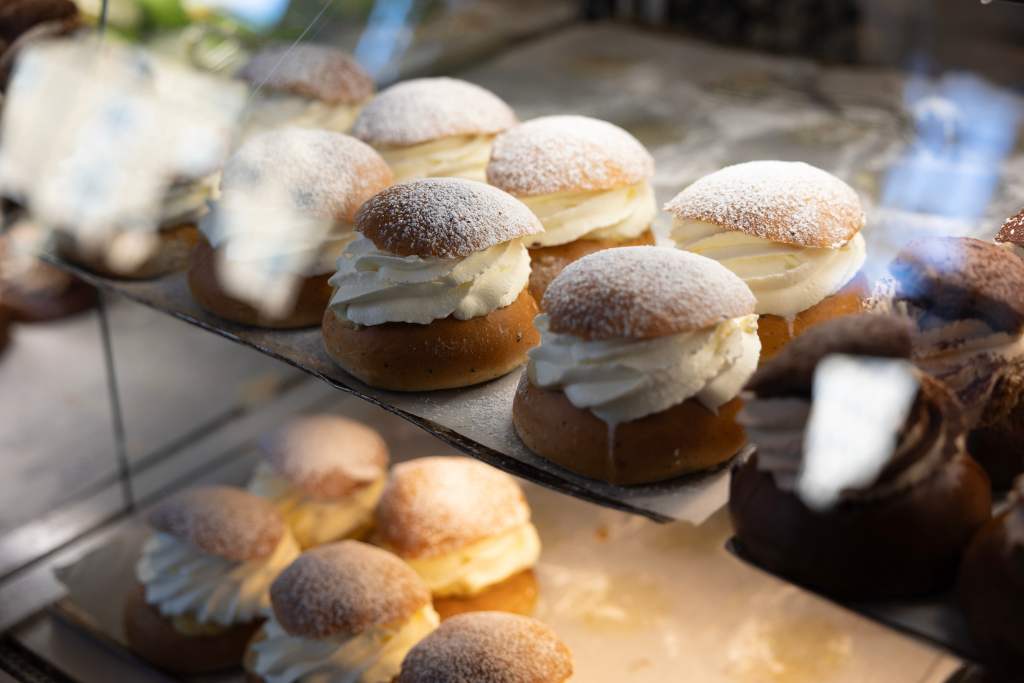
To fuel shopping and exploring, pause at any of the Haga’s bakeries for fika — the sacrosanct Swedish ritual of afternoon coffee and a sweet — or stop for a late lunch at the Feskekôrka (Fish Hall or “fish church”). Be sure to save room, or time during your visit, to sample cheeses, baked goods, and the Gelaterian Göteborg’s famed gelato at Stora Saluhallen, a smorgasbord market for foodies. Dining options abound as Gothenburg’s culinary scene has exploded of late, with more than 67 restaurants opening since the pandemic, including elevated Nordic cuisine at Natur, with a la carte menu, or indulge in the Chef’s Choice menu or five-course menu. Wine bars, like Bar Centro which specializes in natural wines, and the locals’ fave Björns Bar in the Vasa district, are having a moment as well.
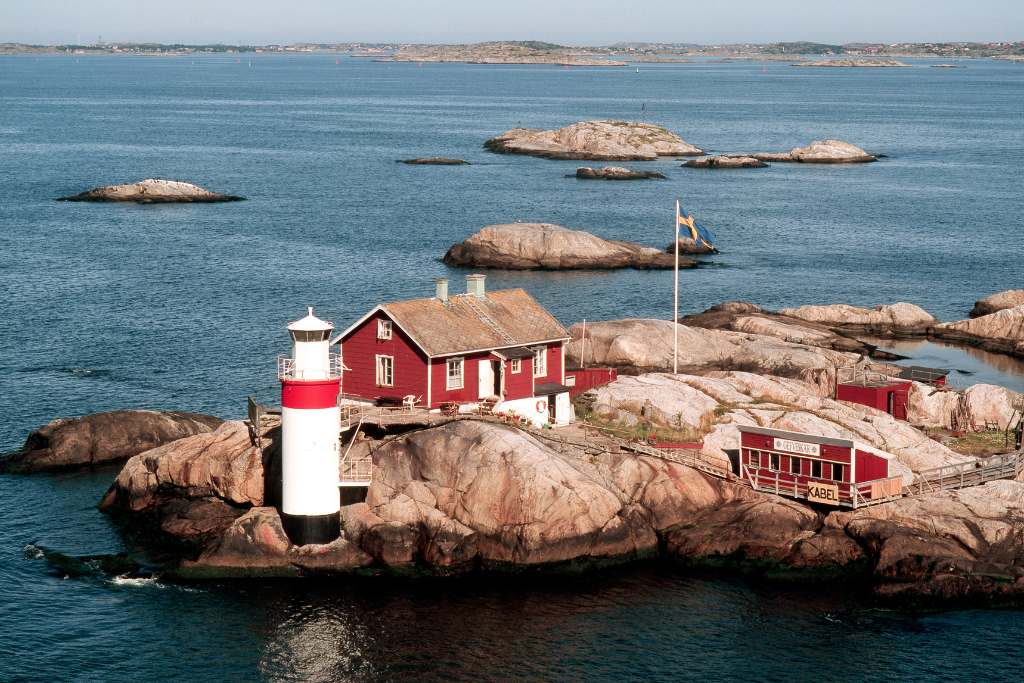
Despite Gothenburg’s sophisticated epicurean enticements, and plenty of historical sites and museums to visit (including the architecturally stunning World of Volvo), much of the draw to this side of Sweden is the wonderland right outside the urban environs, specifically the 8,000 islands that stretch north and south along the west coast. The southern islands are easily accessible via ferry at the Saltholmen terminal (included in the One Transit pass), and you can do a day trip or spend the night (for the latter, the Kusthotellet on Styrsö, is a great option). Hiking, kayaking, or bicycling on footpaths (no cars) are excellent ways to explore the islands and soak in the stunning scenery.
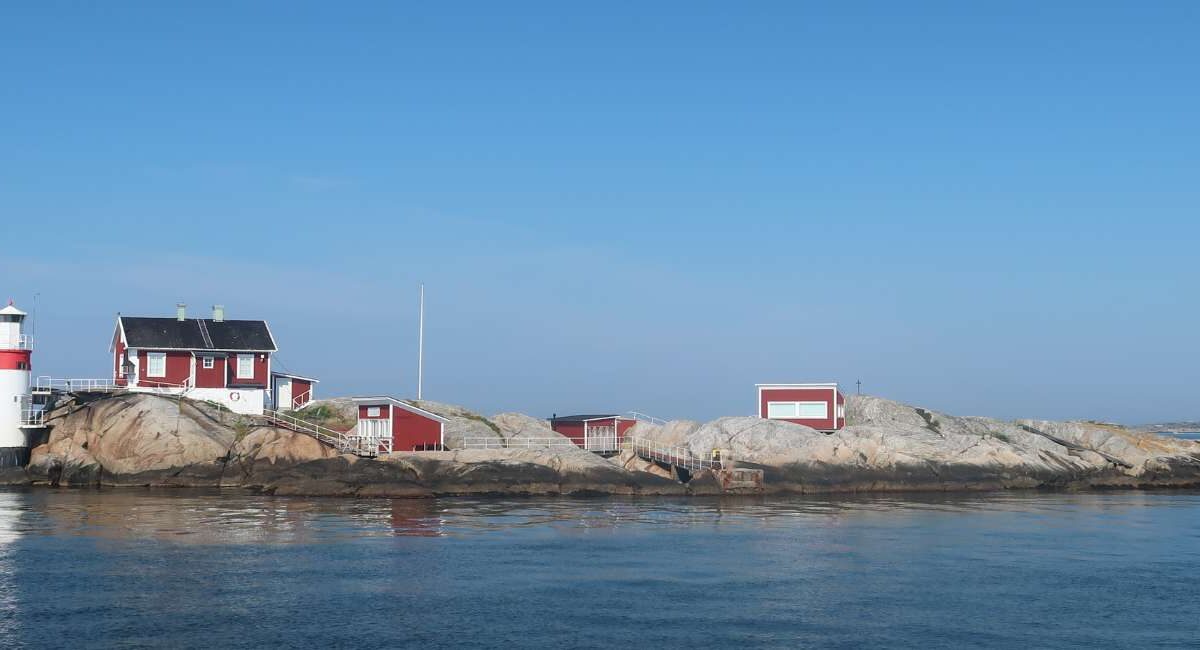
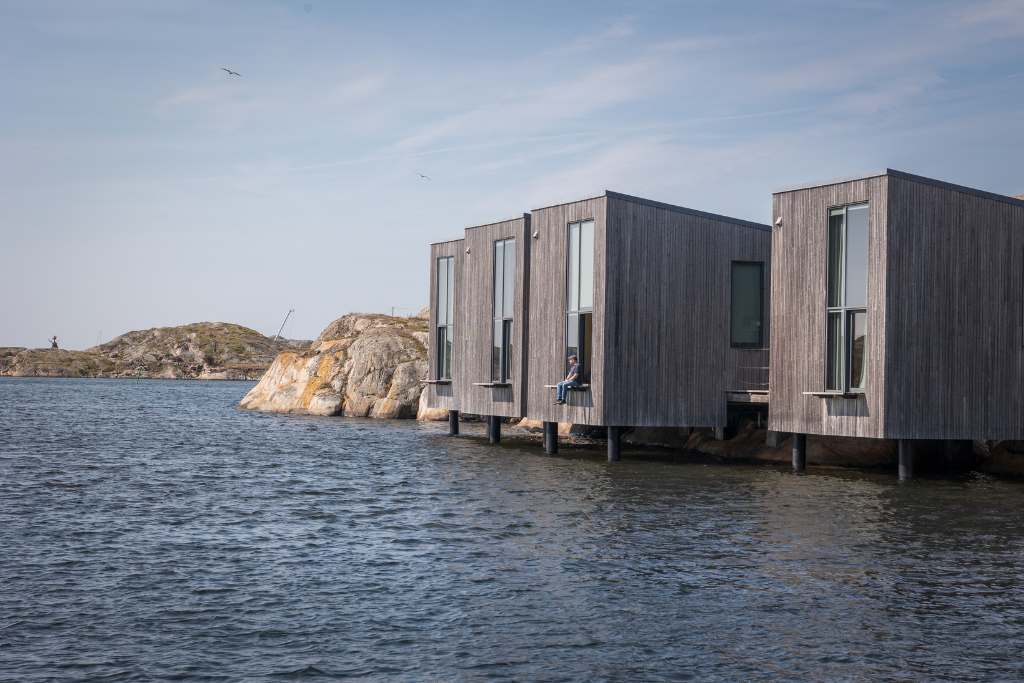
I headed north, an easy 45-minute drive outside the city, to arrive on the island of Orust, and knew immediately I never wanted to leave. Kayaking along a coastline of postcard-perfect fishing villages revealing rows of summer cabins painted in traditional Falun red (a pigment derived from Swedish copper mines), bright white, or autumnal gold, is idyllic. Later I borrowed a hotel bike and poked around these same tiny villages. No billboards, no strip malls, nothing but quiet quaintness and salty breezes. This is pricey vacation territory, no doubt, but the tidy simplicity is seductive — life pared down to salt air, sunshine, walking paths, safe harbors. I’m all in, especially after indulging in the gorgeous ocean-front spa at Hotel Strana, where a peppermint-infused salt scrub and hot sauna is followed by a dip in the glorious, bracing Baltic. The rooms here are seaside cozy, the luxuries understated and sublime: the sensual curve of wooden sauna benches as elegant as a sculpture, a vase of wildflowers on the breakfast table. For dinner I venture northwest through pastoral farmland then hop a ferry to the island of Lyn, where steamed mussels and fresh oysters await at a fish market overlooking the rocky coast.
Yes, there’s high-end luxury in Gothenburg, to wit: the design-forward Dorsia Hotel, a boutique hotel that wows with elaborate whimsy, a rich, bold palate and bountiful art. But this region’s magic is the way it redefines luxury. And of course the Swedes have a word for it — lagom, which is loosely translated as contentedness, moderation, and balance. “The idea of living with consideration of others, and doing things simply and practically,” as Elizabeth Carlsson writes in her book, The Lagom Life: A Swedish Way of Living. I realize this is what I’ll take away from western Sweden (in addition to a few fika pounds). The allure of Gothenburg and its surrounds goes beyond the charming European streetscapes, parks, rugged seashore, and ubiquitous sleek Scandi aesthetic, and into the realm of contentedness. I can’t imagine a more satisfying gift from travel.
Feature image by Jorma Valkonen courtesy of Göteborg & Co.