Art, food, history and outdoor adventure intersect in New York’s Hudson Valley.
Ask a dozen people what they love about New York’s Hudson Valley, and you’ll likely get a dozen very different responses. Some can’t get enough of natural beauty so dramatic that it has captivated both adventurers and artists for centuries; others are taken by the atmospheric towns that dot the 150-mile-long valley. My cousin adores the historic sites and art galleries (particularly Storm King, an outdoor museum that stages artworks in glorious settings); friends make special trips from Manhattan for remarkable vintage and antique finds. And everyone comes hungry: acres and acres of farmland plus talented chefs, bakers, cheese makers, and other artisans equals wondrous flavors.
Though not a shortcut to China as Henry Hudson thought in 1609, this part of the Hudson River did turn out to be a strategic locale during the American Revolution and, later, with the opening of the Erie Canal in 1825, a major trade route. Before long, towns complete with factories, churches, and vibrant retail districts were established up and down the river. Prestige arrived in the late 1800s when, perhaps drawn by the valley’s natural beauty and proximity to New York City, Vanderbilts, Roosevelts, Morgans, and other wealthy Americans constructed palatial homes on sprawling estates up and down the riverbank. Artists flocked to the area as well: Painter Thomas Cole created the Hudson River School; Washington Irving, James Fenimore Cooper and other Knickerbocker writers soon joined them.
Though the Hudson Valley is more easily accessible than ever — there are three airports, several interstate highways, and rail service from Manhattan — it remains a region of just over 200 towns, all separated by meadows, sheer cliffs, deep forests, mountains and, of course, the Hudson River and its tributaries. And while choosing where to stay, eat, and explore might seem overwhelming, our guide will take out the guesswork.
Where to Stay
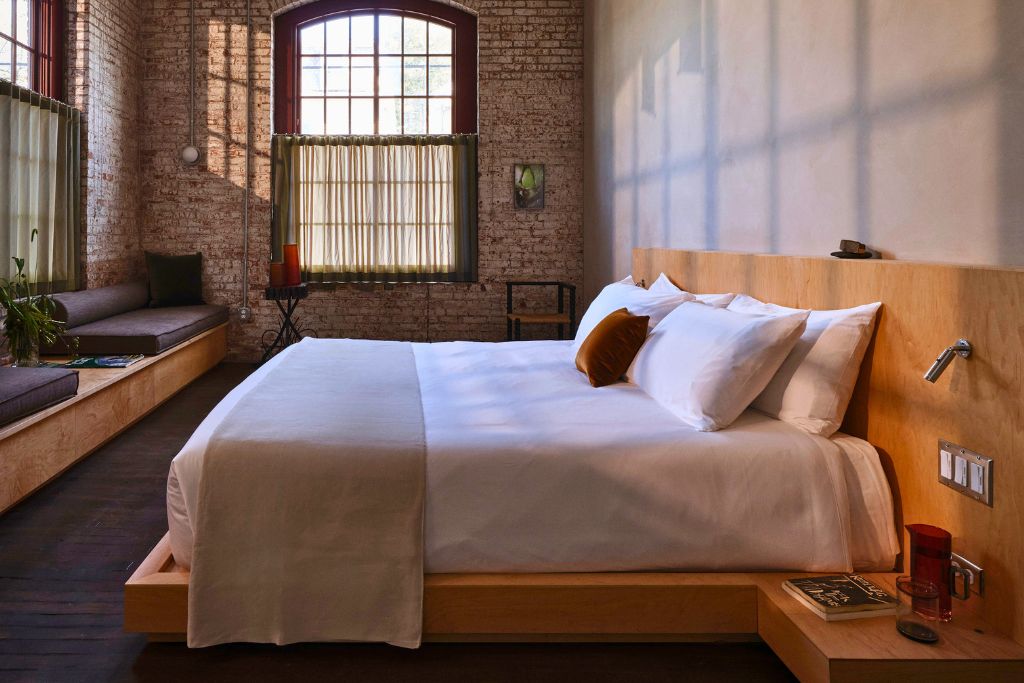
Pocketbook Hudson Hotel & Baths, Hudson: Set within the brick and iron confines of a 19th-century textile factory, The Pocketbook combines contemporary art with original timber beams, limewashed brick, and factory windows. Public spaces include a traditional bathhouse complete with thermal pools, a steam room, and cold plunge; Show:room, a design destination featuring the work of artists, designers, and collectors; and Kasuri Hudson, a cutting-edge fashion destination for men and women.
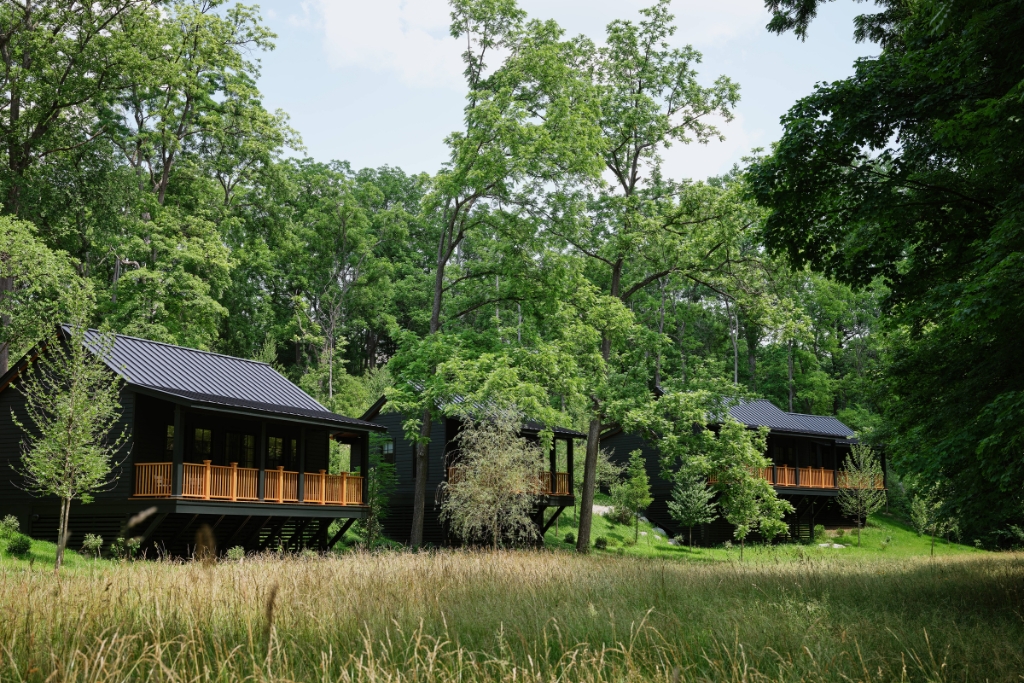
Troutbeck, Amenia: Once a storied 18th-century estate, Troutbeck has evolved into an equally storied 21st-century retreat. The main buildings are ancient stone, the driveway long and winding, the 250-acre grounds dappled with willows, oaks, and even a stone bridge. There are 37 Champalimaud-designed rooms, and each is unique. There are also four recently constructed River Cottages, which add privacy and extra space to Troutbeck’s already long list of attributes.
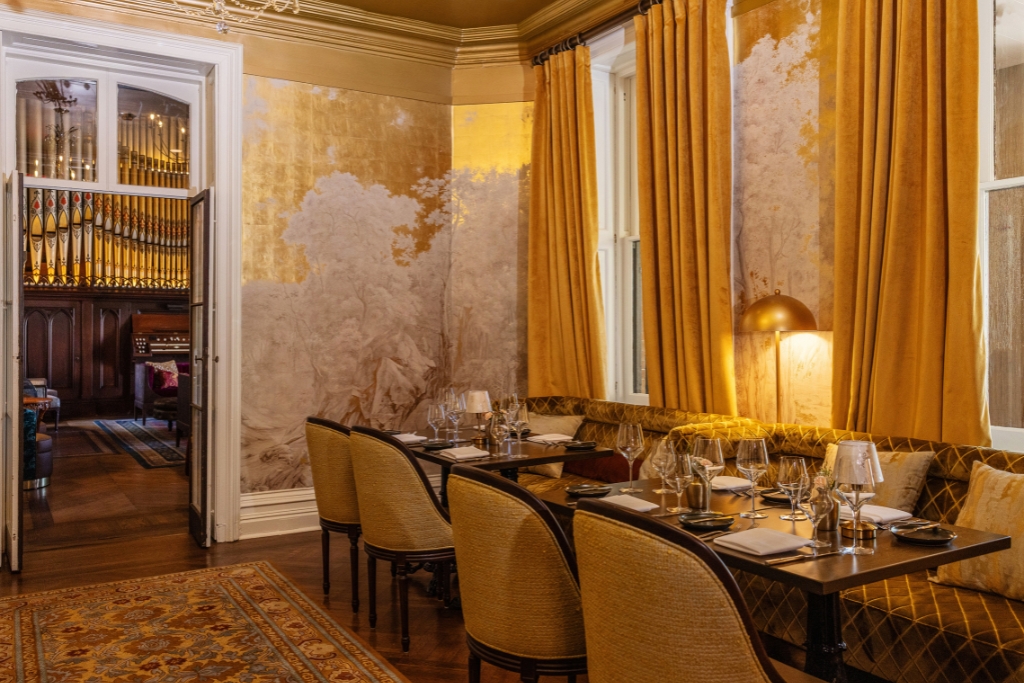
Mirbeau Inn & Spa, Beacon: With its Giverny-like gardens, arched footbridges, and lily pad-strewn ponds, not to mention a historic French-style chateau, Mirbeau transports guests directly to France. Spend your days at the 25,000-square-foot spa, where there are classes galore and several Monet-themed treatments; or explore hiking trails and bike paths that loop through and around the property. Though it’s tempting to never leave such a relaxing cocoon, the enchanting village of Beacon is less than two miles away.
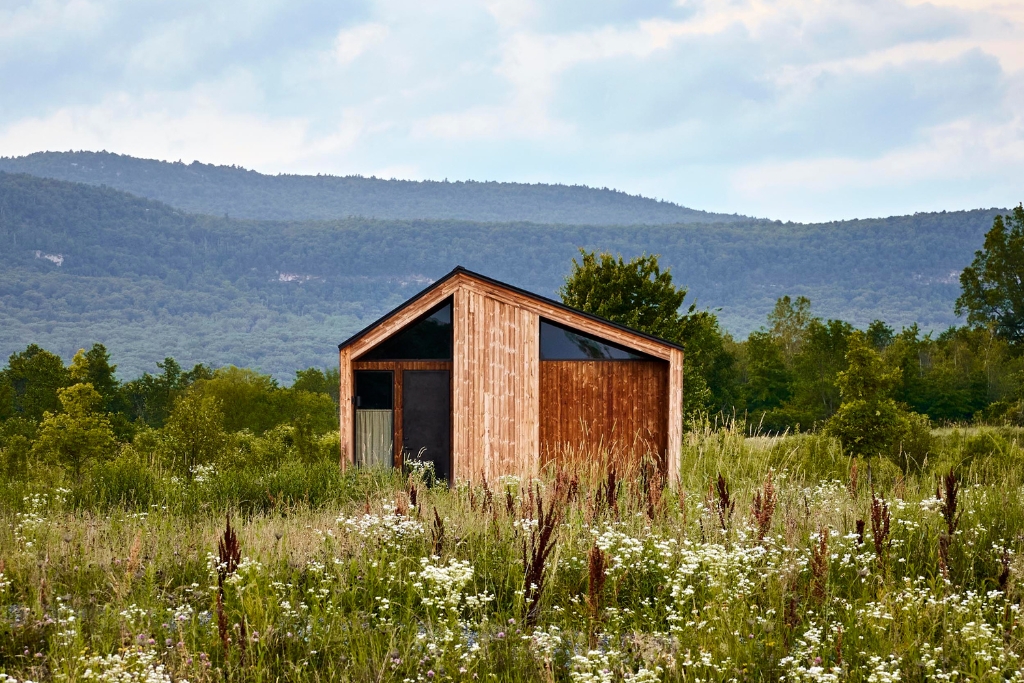
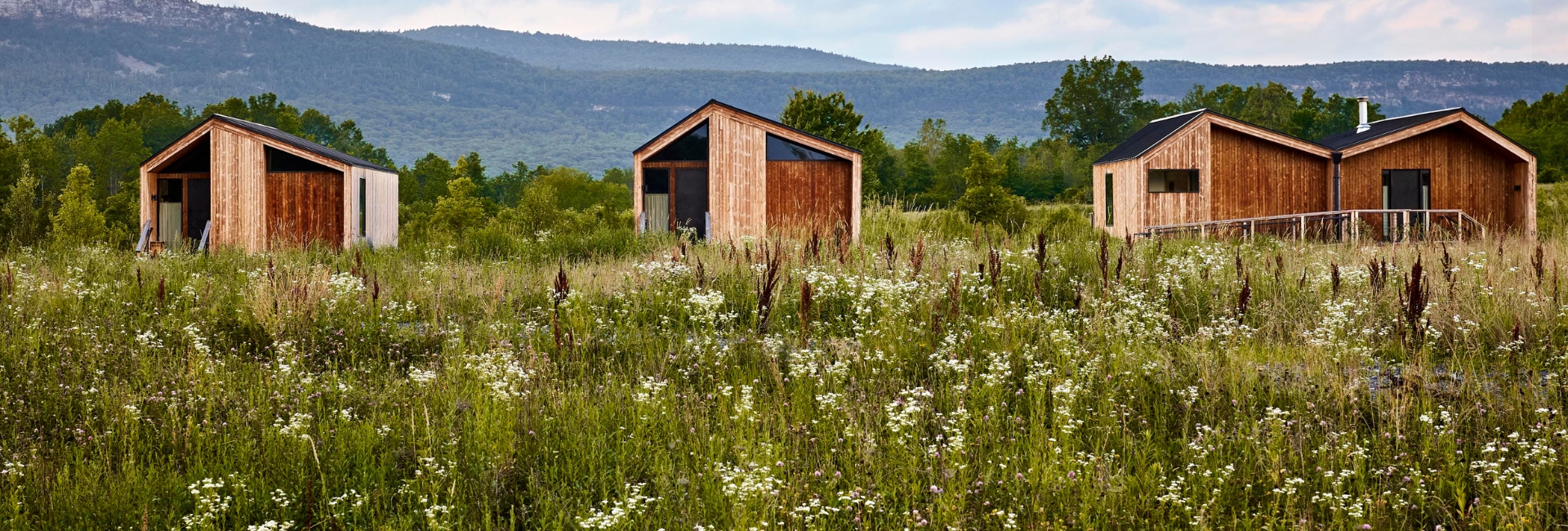
Wildflower Farms, Auberge Collection, Gardiner: Even hard-core urbanites will fall for this serene farm resort and its 140 acres of nearly untouched landscape of forested mountains, burbling creeks, and meadows filled with wildflowers. That’s because nature and nurture have been brought together at a near-perfect juncture at Wildflower Farms: individual cabins offer privacy and space, but also lovely amenities like fireplaces, floor-to-ceiling windows, and expansive decks. And don’t worry — there’s a well-stocked bar, stylish restaurant, and stunning spa just steps away.
Where to Eat
Stissing House, Pine Plains: With its small, hand-painted sign and unremarkable front door, Stissing House, the 18th-century inn that New York restaurateur Clare de Boer took over in 2022, could easily be mistaken for a private residence, especially if you pause to take a peek through the windows. That’s because the candlelit main dining room looks like a dinner party that you’d like to be invited to: wine glasses are full, guests are laughing, and the food — corn on the cob with basil butter; spit-roasted duck; gorgeous salads — is unabashedly bountiful.
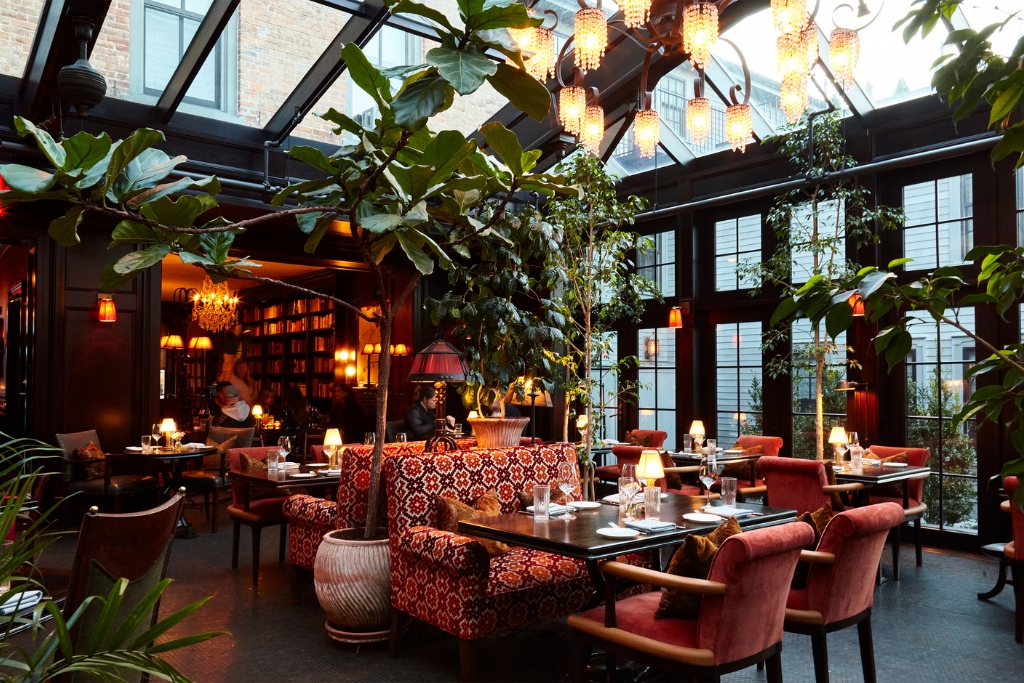
Serre, Hudson: Stepping from the plush velvet and dark wood interior of the Maker Hotel and into the sunlit glow of Serre’s glass walls (the word means greenhouse in French) feels like you’re entering a different world. And, in a sense, you are: dedicated to precise French technique, Chef Jonas Offenbach creates dishes rooted in tradition, but with the bright creativity that the Hudson Valley seems to induce. The flavors are spot on: Indulgent Dauphin potatoes, for instance, get an umami boost with a touch of horseradish and mackerel; smoked eel gives mild turbot a personality.
Culinary Institute of America, Hyde Park: America’s first culinary college has been training chefs since 1946. In that time, graduates such as Anthony Bourdain, Cat Cora, and Grant Achatz have gone on to make their mark in the restaurant world. At the college’s main campus in Hyde Park, restaurants serve menus that change with the seasons. Try The Bocuse for modern French, Caterina de’ Medici if you’re jonesing for pasta, and American Bounty for expert renditions of classic fare. It’s a fun way to spend an evening and, who knows, the world’s next star chef just might be behind the stove. Even better, all tips go to the school’s scholarship fund.
Klocke Estate, Claverack: Offers a different kind of tasting experience: instead of bourbon or rye, the distillery crafts elegant and inviting brandy, eaux de vie, and vermouth from estate-grown fruit. The best way to taste these spirits is to build a pairing around Chef Becky Kempter’s layered dishes, which include crepes and elevated snacks during the day (when you can sit outside and watch the light change on the distant Catskills) and, at night, in the Ken Fulk-designed dining room, where a full range of seasonal dishes was designed to pair brilliantly with the distilled spirits. And don’t despair about potentially missing your martini or Right-bank Bordeaux: cocktails and wine are also available.
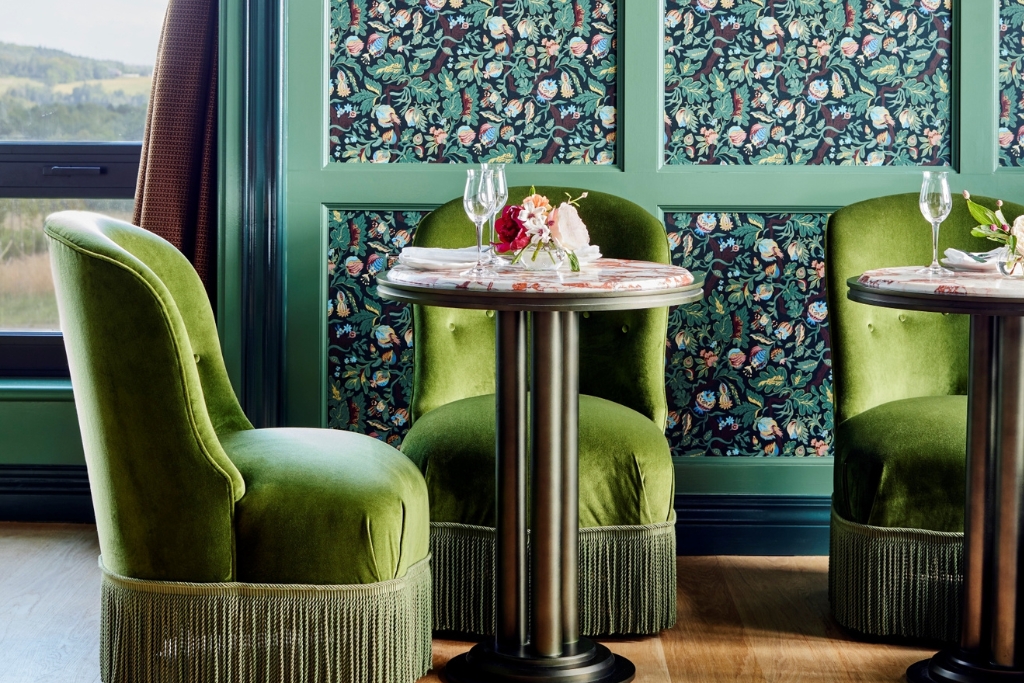
The Aviary, Kinderhook: There’s nothing like a good surprise, so the last thing I thought I’d discover in Kinderhook, a town so adorable that the weekly farmer’s market is held on the Village Green, is a top-flight Asian-inspired restaurant. But there it is, located in a 19th-century textile factory. The story starts with long-time restaurateur Yen Ngo’s desire to build something different, unexpected, and closer to her Vietnamese heritage. At The Aviary, the menu mixes familiar items like walnut shrimp and dan dan noodles with new favorites like tallow-fried potatoes with chili crisp. It’s hard to choose, so go with a group.
Casa Susanna, Leeds: It’s no surprise that the food at Casa Susanna tells a story: Long before Chef Efrén Hernández set foot in a professional kitchen, he was a film student at NYU’s Tisch Center for the Arts, devoted to sharing stories on film. A part-time kitchen job kick-started his passion for food; in 2023 he opened Casa Susanna, where he has been a James Beard Award semi-finalist every year since 2024. Here, Jaliscan flavors work alongside labneh, gochujang, raclette, and curry as well as local sugar snaps and pickled apples. But some things will never change: The tortillas are homemade, there’s Modelo on tap, and the margarita is made with just tequila, fresh lime, and bitter orange liqueur.
Art, Culture & History
Storm King Art Center, Mountainville: Get ready to feel small at this open-air museum, where sculptures like Mark di Suvero’s scarlet E = MC2 towers 90 feet into the sky. Storm King’s 500 acres of forest and meadow is dotted with 100 or so works and surrounded by thousands of untouched parkland acres. Explore on foot or rent bikes to pedal past the exhibitions; smaller sculptures (and the gift shop) are housed in the Museum Building.
Dia Beacon, Beacon: Nabisco’s circa 1929 box factory was repurposed into a contemporary art museum in 2003. Installations are each exhibited in their own gallery, which are often renovated to support specific works from artists such as Richard Serra and Michael Heizer. Skylights (34,000 square feet of them) flood the space with natural light.
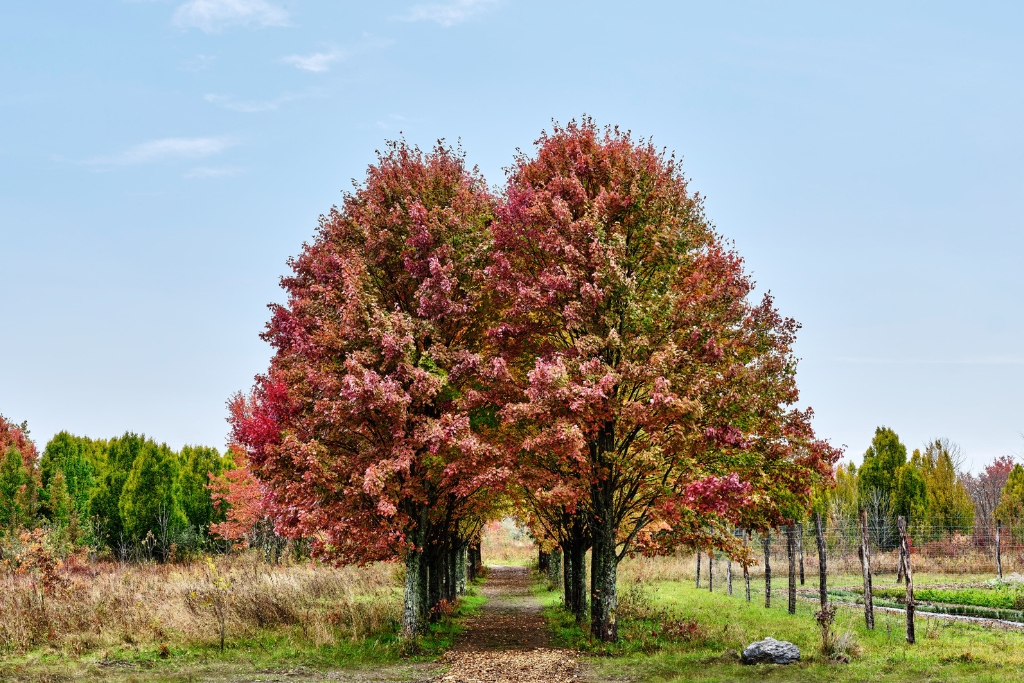
Roosevelt-Vanderbilt National Historic Site, Hyde Park: This stunning domain on the east bank of the Hudson is home to three significant historic homes — the 49-room Roosevelt estate; Val-Kill, Eleanor’s stone cottage, and Frederick Vanderbilt’s Beaux-Arts mansion — as well as FDR’s Presidential Library, formal gardens, miles of walking trails, and the rose garden where Franklin and Eleanor Roosevelt are buried.
Olana State Historic Site, Hudson: Frederic Church was one of the most successful American painters in the 19th century. In the early 1870s he constructed an ornate Persian-influenced mansion on a 250-acre forested bluff and named it Olana. The estate is just across the river from the home and studio of Thomas Cole, his friend and mentor in the Hudson River School. Both homes are filled with remarkable artworks.
West Point Foundry Preserve, Cold Spring: From 1818 until 1911, the West Point Foundry manufactured artillery for the U.S. military as well as America’s first two steam locomotives, ironclad ships, benches, and the pipes for New York’s aqueduct system. Closed for decades, the 87-acre site is now an outdoor museum with an interpretive walking tour through the foundry ruins and nature paths through the deep forest and marsh that surround it.
Where to Shop
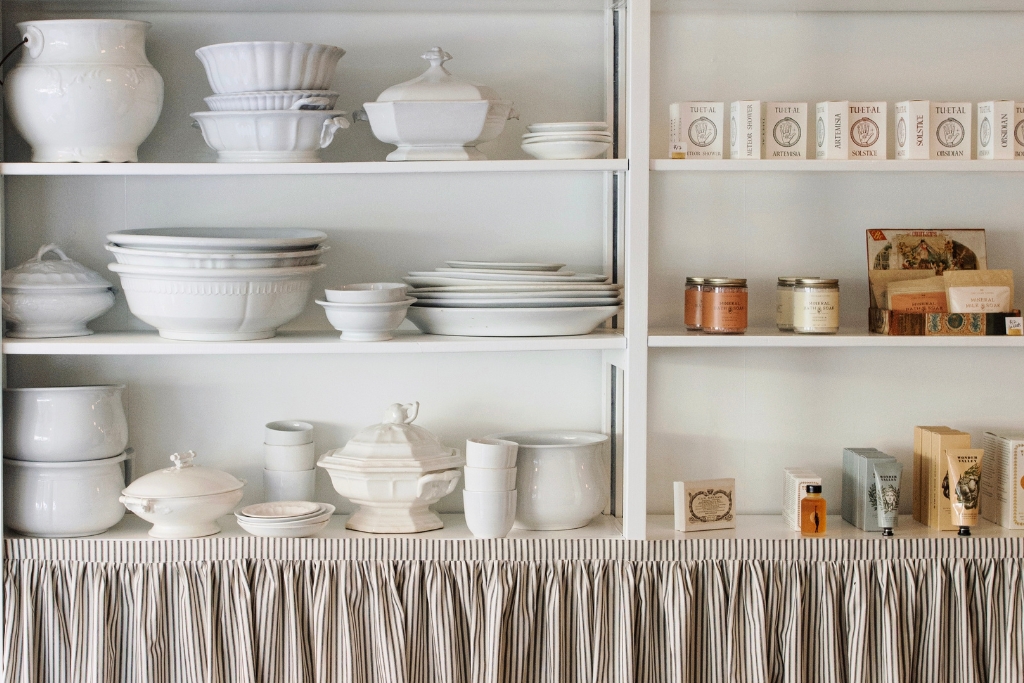
Marton & Davis, Chatham: Step under the striped awning and into a beautifully curated world of John Derian ceramics, baskets woven by a second-generation maker in Maine, and exclusive collabs with French textile designer Tensira and Kinrove fragrances.
Made X Hudson, Catskill: Made X doesn’t just sell the work of small, local clothing designers: the company’s small factory gives makers a place to produce their small-batch apparel as well. You’ll also find artisan-produced jewelry, bags, and other accessories.
Milne Antiques & Design, Kingston: Explore designer Rebekah Milne’s carefully curated selection of furniture, artwork, lighting, and rugs in styles that include mid-century modern and early american/farmhouse, There’s also a selection of English and French outdoor furnishings from the 19th and 20th centuries.
Alder & Co., Hudson: Delve into a refined mix of clothing, jewelry, ceramics, apothecary, and everyday goods from independent designers and traditional makers from around the world.
Zaborski Emporium, Kingston: Architectural treasures like stained-glass windows, cupboard fixtures, garden décor, fireplace mantles, much of it salvaged from nearby buildings, fill this 40,000-square-foot warehouse.
Talbott & Arding, Hudson: One is a former cheesemonger; the other, a chef and Chez Panisse alum. Together, they’ve created a gustatory wonderland filled with cheeses, baked goods, their own brand of jams and other pantry items, cookbooks, and gifts. You can also grab lunch to go for a picnic.
Feature image courtesy of Wildflowers Farms, Auberge Collection.