
Burnout breaks — vacations designed not around whirlwind sightseeing or productivity, but around genuine recovery — are on the rise. As more travelers admit that traditional vacations and jam-packed retreats no longer feel restorative, they’re seeking destinations and hotels that actively support nervous system reset, deep rest, and mental clarity.
Meant to be genuinely rejuvenating, burnout breaks are short, intentional trips designed to restore energy rather than pack in activities. They slow the pace way down and lower all expectations so you can actually recover before diving back into life.
“It’s a step away from stimulation or productivity and into space to rest, breathe, and reconnect with themselves and the people they’re traveling with,” says Joy Gosser, wellness and spa director at L’Auberge de Sedona in Arizona. “Many travelers may not even realize they were craving this [burnout] break.” Brooke Gilliam, wellness and spa director at Lido House in Newport Beach, California, agrees.
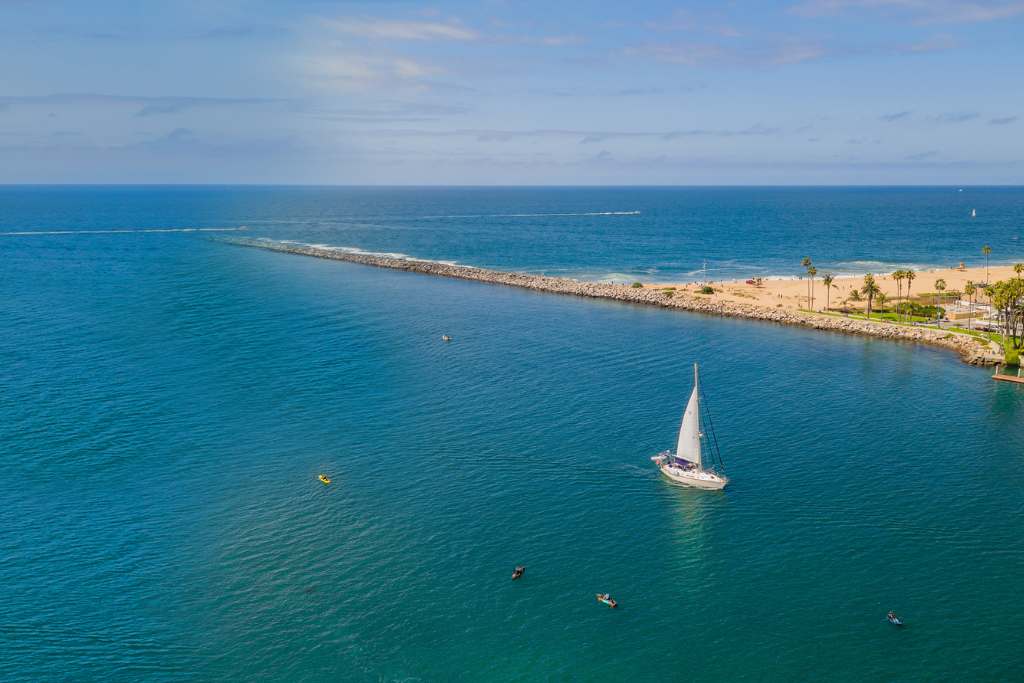
“Most of us are in burnout and don’t know it,” Gilliam says. “People are running on adrenaline or are constantly in a flight or fight [mode], and do not realize they are in burnout until they have a day off and feel paralyzed with exhaustion. Taking a burnout break allows for a pause and a reset.”
At the Waldorf Astoria Costa Rica Punta Cacique, Oscar Gutierrez, spa and wellness director, notes that guests are encouraged to choose their own path of flexible self-discovery, whether they indulge in one of the spa’s healing therapies and ritual experiences combining ancestral wisdom with modern healing practices, or partake in a more extensive ritual in one of the treehouse spa suites.
The Mental Benefits of a Burnout Break
Burnout shows up as emotional dullness, irritability, foggy thinking, trouble sleeping, and the sense that even things you once loved now feel like obligations.
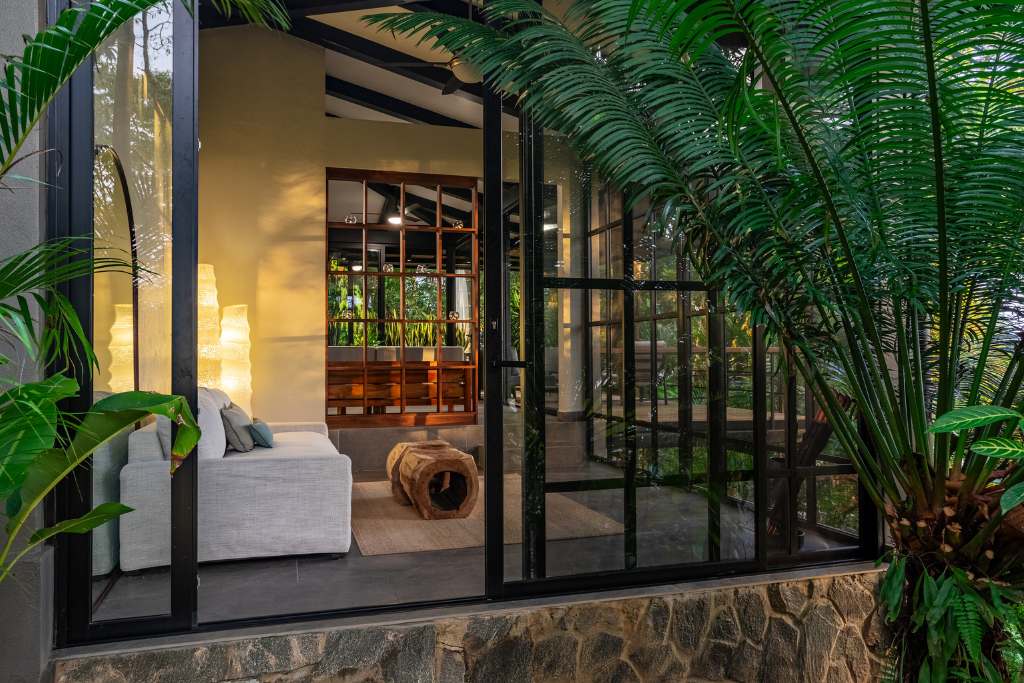
“Most people keep going because they technically can,”says Sanam Hafeez, MD, a neuropsychologist based in New York City. “From the outside, they look functional. Inside, they feel drained and disconnected from themselves. What makes a burnout break work is not what you add, but what you take away. When travel is stripped of rushed schedules, packed agendas, constant stimulation, and the pressure to make every moment count, the nervous system finally gets a chance to settle.”
That pause is what allows clarity to return, emotions to regulate, and creativity to resurface.
How to Take a Burnout Break
Slowing down sounds simple enough, but it does require intention.
Set Your Own Pace
“We’re very intentional about not prescribing wellness,” says Gosser. “Healing and restoration aren’t one size fits all, and we believe guests benefit most when they’re empowered to follow their own rhythm. Our daily resort programming — from sound baths and guided meditation to tarot readings and energy work — is entirely optional.”
Opt for a Soothing Location
Location is everything. A busy city is overly stimulating, and destinations that demand constant movement leave little room for true recovery. When in doubt, get into nature. The L’Auberge property, for example, is naturally restorative given its creekside location in Sedona.

The ocean is also a powerful place to reset both mind and body. There’s something deeply transformative about standing in or near the water—the steady rhythm of the waves, the salty mist cooling your face, the expanse of the horizon stretching out before you. And even if you’re not in the water, simply being near it — listening to the sound of the waves and watching the sunlight sparkle on the water — soothes the soul.
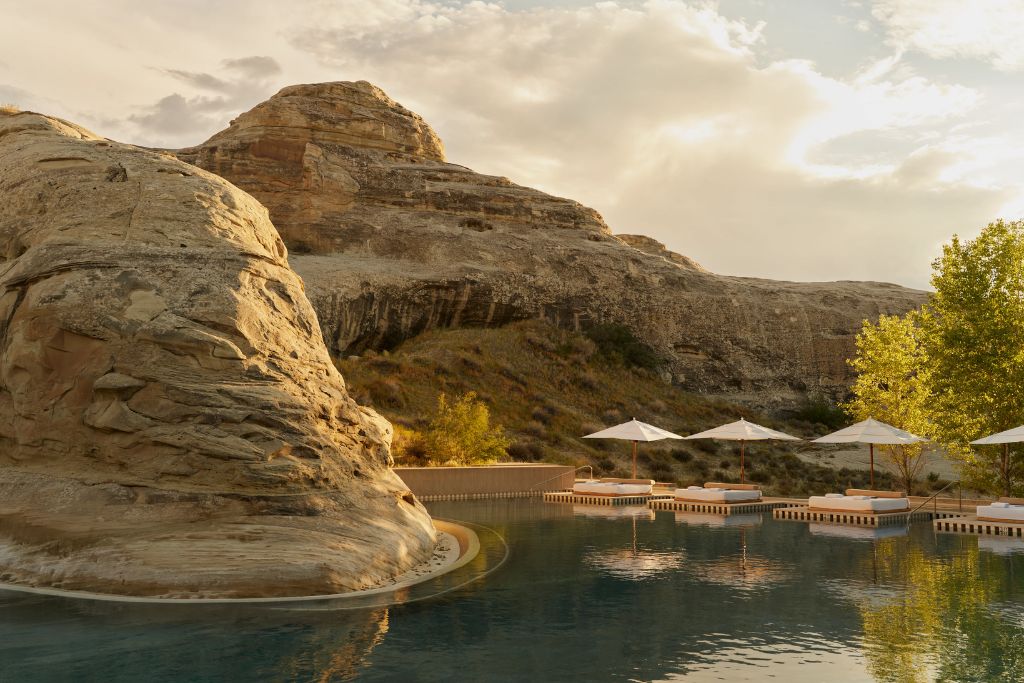
Other resorts that foster a slow, back-to-basics, move-at-your-own-pace approach include La Casa de La Playa in Riviera Maya, Mexico, and Four Seasons Resort Maldives at Landaa Giraavaru for serene beach vibes, Amangiri in a remote part of southern Utah for desert vistas, and for a jungle escape, Vista Celestial in Costa Rica or Mashpi Lodge’s luxury cloud forest hotel in Ecuador.
Avoid the Temptation to Add More
Burnout happens when you keep adding more without a proper recovery. Dr. Hafeez notes that the core foundation of a burnout break reset is centered around intention and boundaries. Intention means choosing a place that genuinely supports rest; setting boundaries means limiting decision fatigue, screen time, and outside demands.
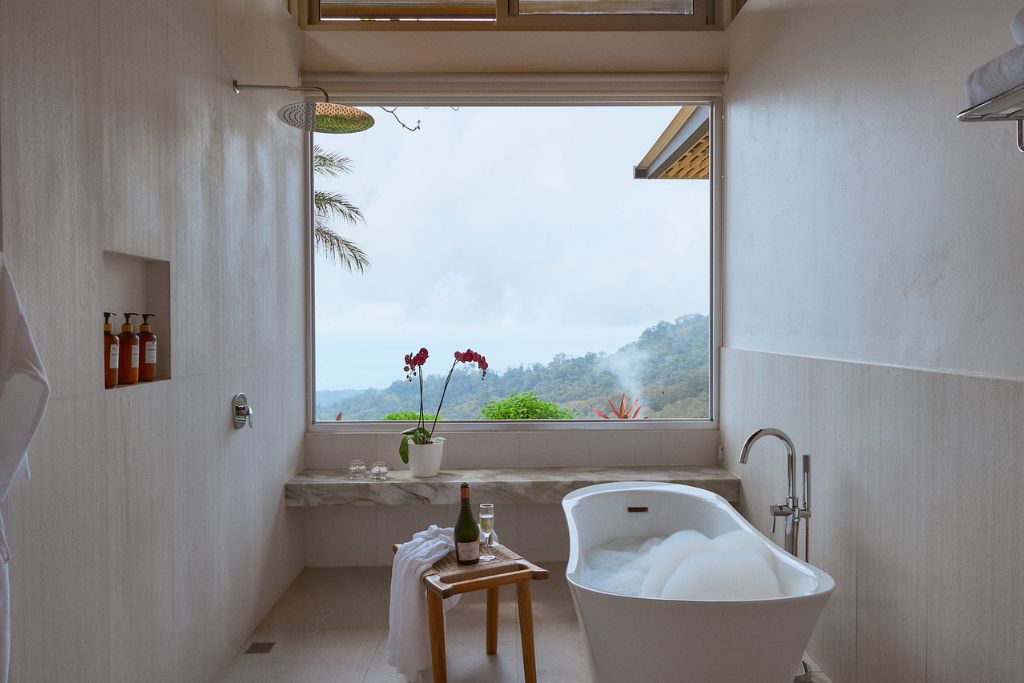
“Sleep, unstructured time, gentle movement, and calming sensory experiences matter more than checking off experiences,” Dr. Hafeez says. “People truly recover when they stop trying to optimize their getaway and start listening to what they need in real time.”
Ultimately, burnout breaks reflect a broader reckoning with how we rest, and whether we truly allow ourselves to take it easy. In a culture that rewards constant output, choosing to slow down can feel indulgent. But as more travelers discover, real restoration doesn’t come from doing more in prettier places; it comes from creating space to exhale, recalibrate, and reconnect with self.
Feature image by CocoVisuals, courtesy, Vista Celestial. Travel Curator may earn a commission from product or booking links on this page.