West of the Andes and south of just about everything, Chilean Patagonia is a region that conjures the (geographical) end of the world. The narrow sliver between the rugged mountains and the tempestuous Pacific is a place of windswept landscapes, forlorn fjords, and jagged granite peaks. Far from everything, it’s home to millions of sheep, tiny mountain deer, and majestic condors that soar overhead.
It’s the far south that’s the most famous, especially among the luxury travel set. The area around Torres del Paine lures adventure seekers not only for its superlative hiking but also for its extraordinary lodgings. But Patagonia is a big place, covering around one million square miles between Chile and Argentina, and the famous south is hardly the only draw to the region.
The northern reaches are different but no less spectacular. The area is also known as the Chilean lake district for its many bodies of freshwater, and its skyline is dominated by a half-dozen volcanoes. The climate is more temperate, which allows forests to flourish, and, in the South American spring, golden wildflowers to thrive. It’s a haven for nature lovers and adventure seekers — both the hardcore and the softcore kind.
Not Quite the End of the Earth
The beauty of Torres del Paine is that it’s far away from everything. This is also the downside of Torres del Paine. Getting there is a lengthy endeavor: a three-and-a-half hour flight from Santiago to Punta Arenas (on top of the nine-plus hours it takes to reach Santiago from the United States), followed by a four-hour drive from the airport to the national park.
In comparison, northern Patagonia is quite close by. The gateway airport, in Puerto Montt, is just over an hour’s flight from Santiago, and from there it’s just about an hour by car to the main tourism town, Puerto Varas. That city is itself worth a visit, thanks to its growing restaurant scene, nightlife and casino, and walking paths along Lake Llanquihue. It’s also a hub for the adventure and the South American backpacker set, which makes it a lively spot for meeting fellow travelers.
A Landscape All Its Own
While the destination marketers are working to position the lake district as an alternative to the extreme south, a growing number of visitors are combining both north and south. That’s because the landscapes and opportunities for playing outside are so different.
The lake district, as one would expect, is lush and shimmery blue. The area is large, more than 200 miles from north to south, and encompasses so much water that it can be hard to know where one lake ends and the next begins (not to mention the fjords and estuaries that complicate the watery landscape). But there are eight that are considered large and important.
The glacial Lake Llanquihue is the second largest in the country, a vast mirror for the volcanic peaks that hover over it. Lake Todos los Santos is known for its emerald green waters, and others, including Villarrica, Calafquén, and Panguipulli, are hubs for adventure sports amid their lush forests. But there’s no need to memorize the indigenous names — a thriving adventure tourism infrastructure makes it easy to organize excursions while leaving the logistics to the local pros.
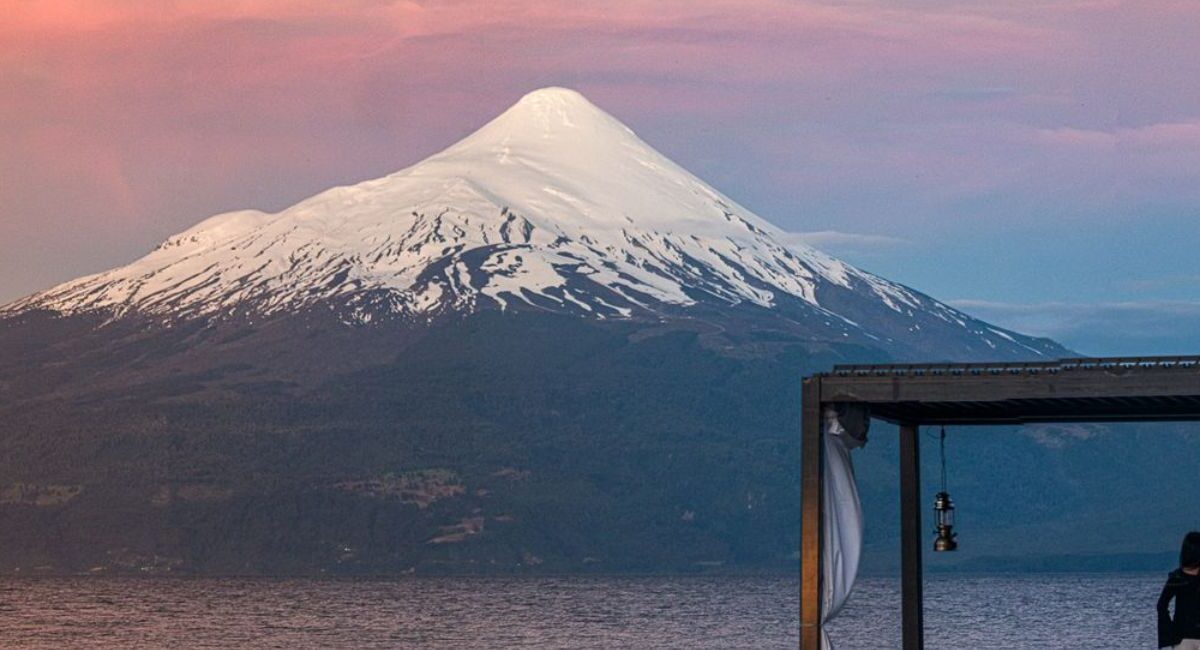
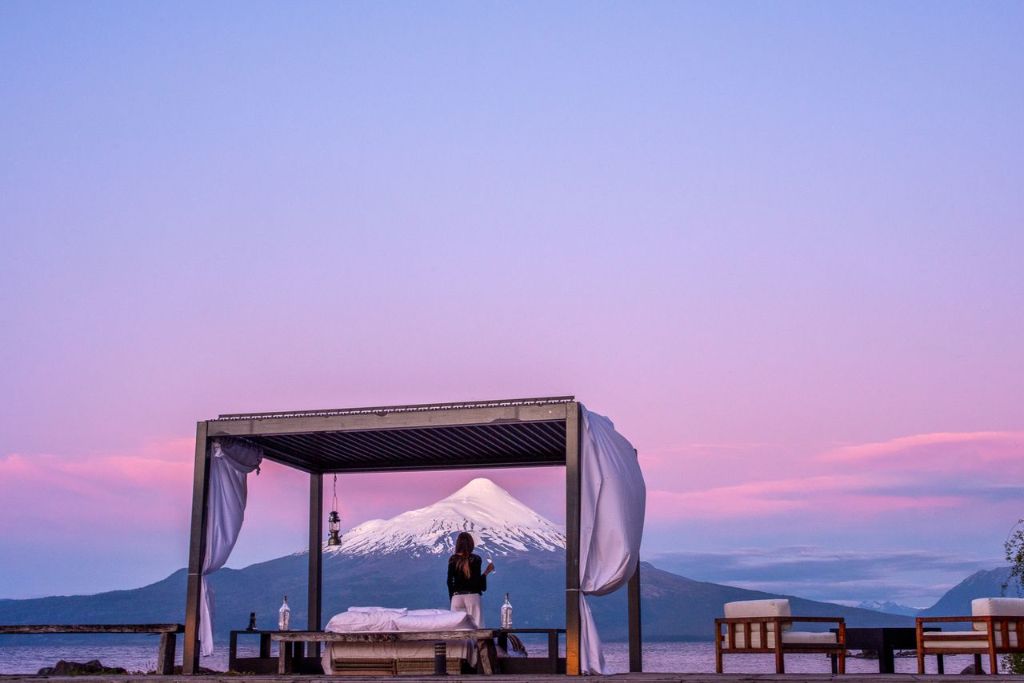
Along with the lakes, the region’s other geological hallmark is its many snow-capped volcanoes. Some are highly active, spewing steam into the air and preparing for a more dramatic show. The postcard image is the perfectly conical Osorno Volcano, so symmetrical it could be a child’s drawing, but other names to know include Villarrica, Calbuco, Llaima, Lonquimay, and Tolhuaca.
A Land of Superlatives
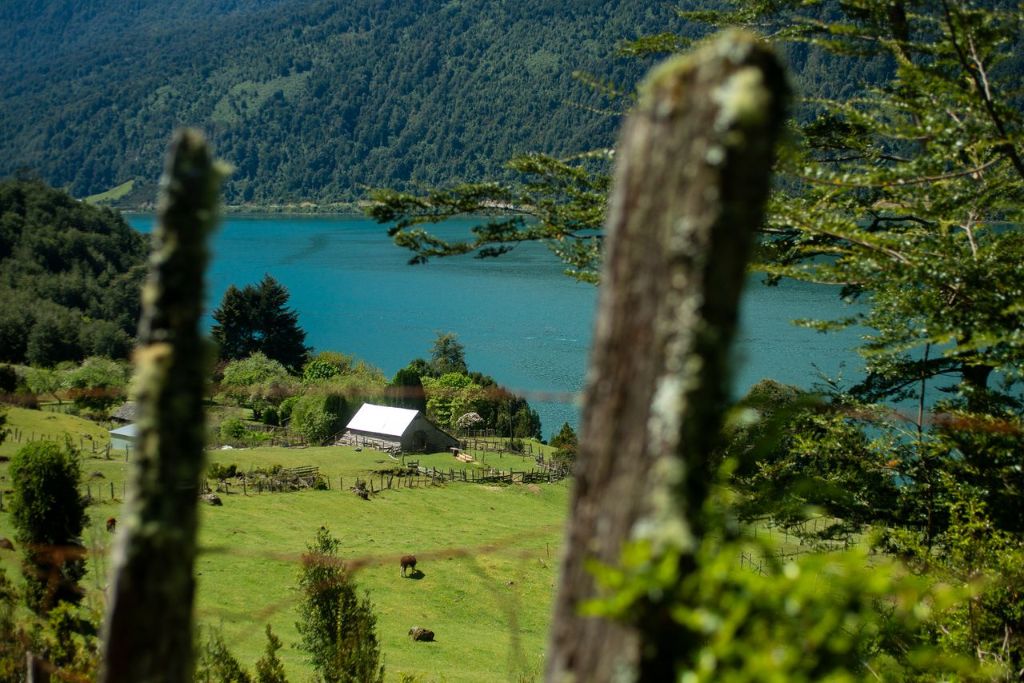
Like the rest of Patagonia, the northern lake region is studded with national parks. Within them are some of the country’s greatest natural treasures. The Alerce Andino National Park is a gorgeous temperate rainforest biosphere reserve, and the northern gateway to Chile’s stunning Route of Parks. Its ecosystem remained isolated from the glaciers that covered the area 12,000 years ago, giving it an endemic fauna that’s unique in the world. But its main calling card is its ancient trees, including a graceful, towering alerce (Fitzroya cypress) that’s about 3,500 years — the oldest in the region.
Nearby, the Vicente Pérez Rosales National Park is the most visited park in Chile, thanks in part to its accessible design. (Adventure purists may scoff at the bustier-clad influencers traipsing the viewpoints, but it’s genuinely heartwarming to see people with mobility challenges enjoying the natural world.) Even though you won’t have the place to yourself, it’s worth a visit for the Petrohué Falls, a dramatic torrent of water that comes rushing over large masses of lava rock.
Wir Sprechen Deutsch

In the 19th century, a wave of German immigration descended on northern Patagonia, encouraged by land grants and subsidies from the Chilean government. That legacy is very much alive in Puerto Varas and other towns around Lake Llanquihue. There are German churches, European architecture like gabled roofs and birch tiles, German clubs, culinary traditions, and German-style beer. Even now, many locals have blond hair and blue eyes and speak German as well as Spanish. This whiff of Bavarian charm makes the region unique in Latin America.
The End of the Road — or the Beginning
Along with being the gateway to the Route of Parks, the area is an anchor on other journeys as well. It’s near the end of the solid road for the Pan-American Highway, which runs from Prudhoe Bay, Alaska, to Ushuaia, Argentina. (Just beyond Puerto Varas, the road splits in two, with one spur going to Chiloé Island in Chile and the other continuing into Argentina.) Less ambiguously, Puerto Montt is the start of the Carretera Austral (Route 7), which runs southward to the remote Villa O’Higgins. The route is largely unpaved and requires several ferry crossings, but the reward for those who undertake it by 4×4 or by bicycle is stunning scenes of glaciers, fjords, turquoise lakes, and ancient forests.
A Luxury Hotel Worth a Trip on Its Own…
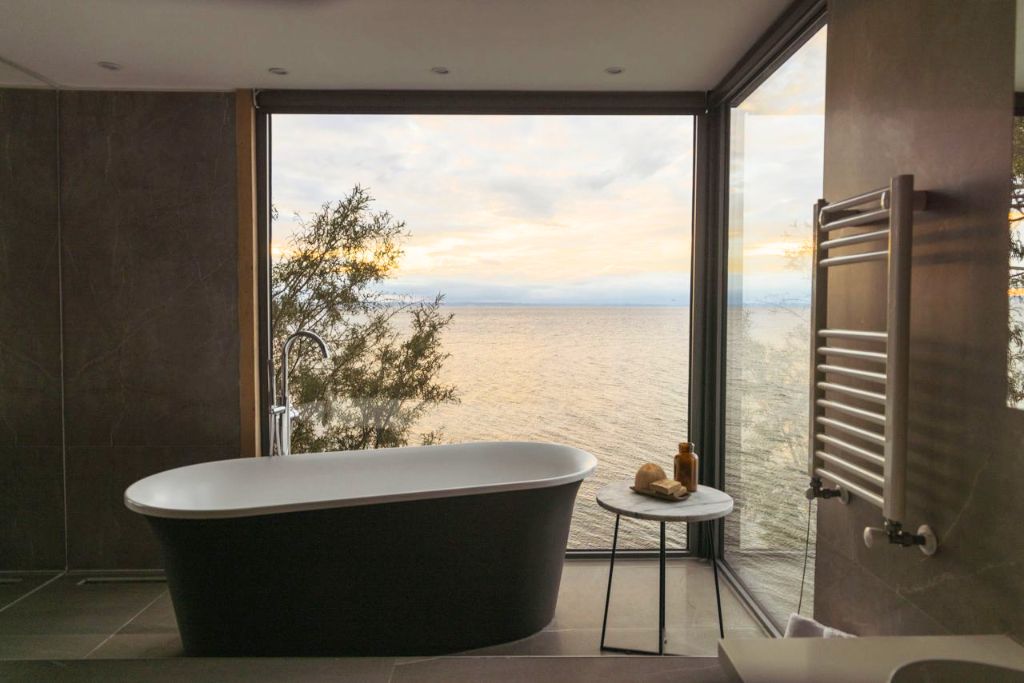
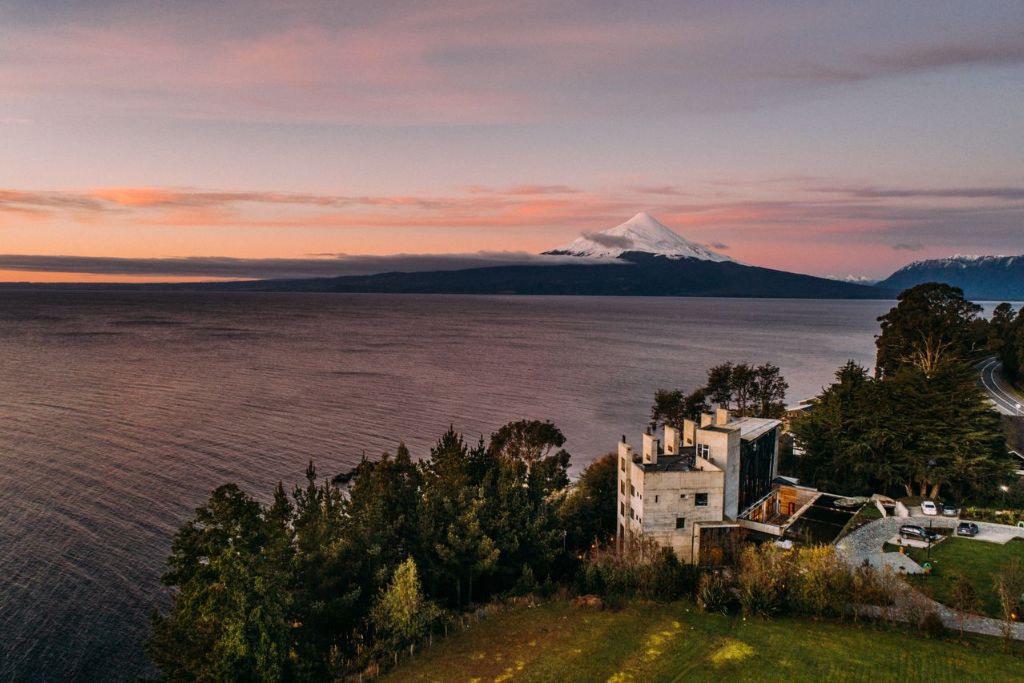
Historically, Puerto Varas has been a backpacker base, without high-luxury hotels of the sort found around Torres del Paine or in Chile’s northern Atacama Desert. That changed last year, when the spectacular Hotel AWA found its footing as a luxe-inclusive adventure hotel. The design-forward property, a member of Leading Hotels of the World, occupies a Brutalist structure that was envisioned by a pair of architect-owners from Santiago. Its 25 rooms are positioned to have stunning views of Lake Llanquihue and the Osorno Volcano, and they’re beautifully decorated with artisan-made furnishings and local weavings.
Lately, the founders’ son has taken over and begun positioning the hotel as a global benchmark while elevating the reputation of the lake district as a sustainable luxury destination. He’s brought in a hotshot consulting chef to develop the culinary component, which is based solidly on the hotel’s own garden and a network of small producers within a 100-kilometer radius, and given the resident chef room to shine. And he’s shifted to the all-in model of Patagonia’s more famous luxury lodges, where the nightly rate includes meals and a full roster of daily excursions.
Hotel AWA has also partnered with two hotels on the Argentine side of the lake district to offer an immersive journey through the region. The new B Route is a 10-day circuit through Villa la Angostura, Puerto Varas, and Bariloche that combines luxury accommodations with hikes, fishing, kayaking, cycling, and birdwatching. Along with Hotel AWA, Las Balsas and the Untold Patagonia are Certified B Corporations, meaning they meet rigorous social and environmental performance standards.
What to Do in Northern Patagonia
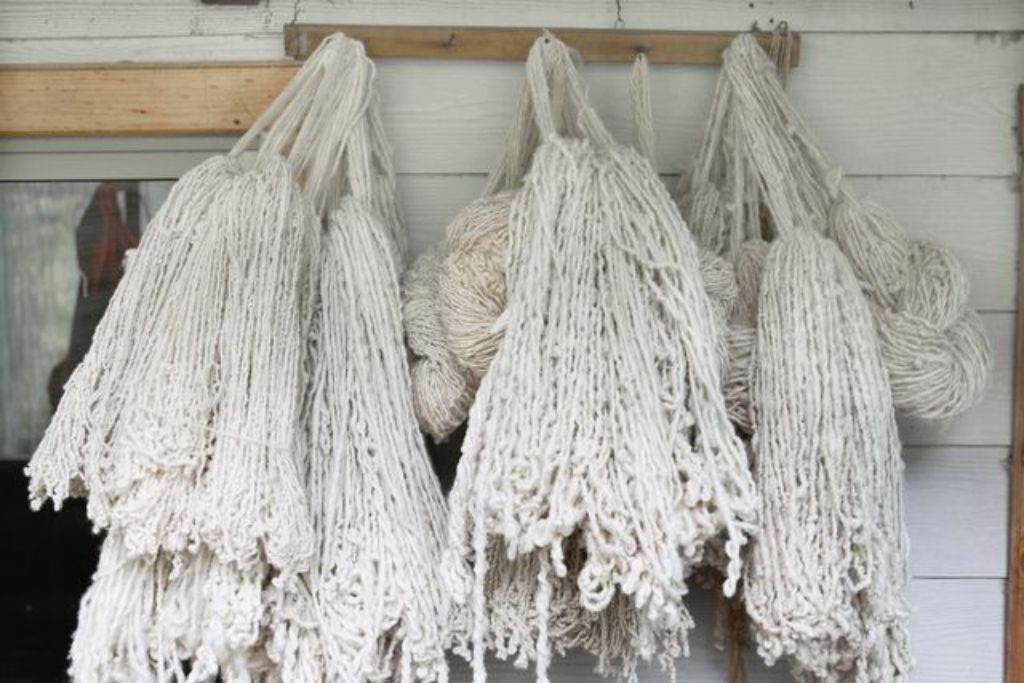
Between the forests and the water, there’s a vast array of outdoor pursuits. The activities team at Hotel AWA is outstanding, whether they’re leading easy soft adventure pursuits like a gentle downstream kayaking trip followed by a soak in the new Termas del Sol hot springs, or a hardcore ascent of the Osorno Volcano, crampons and ice axes included. There are also cultural tours of the German-heritage towns, visits to local weavers and basket makers, or simply staying put and admiring the views.
What to Eat in Northern Patagonia
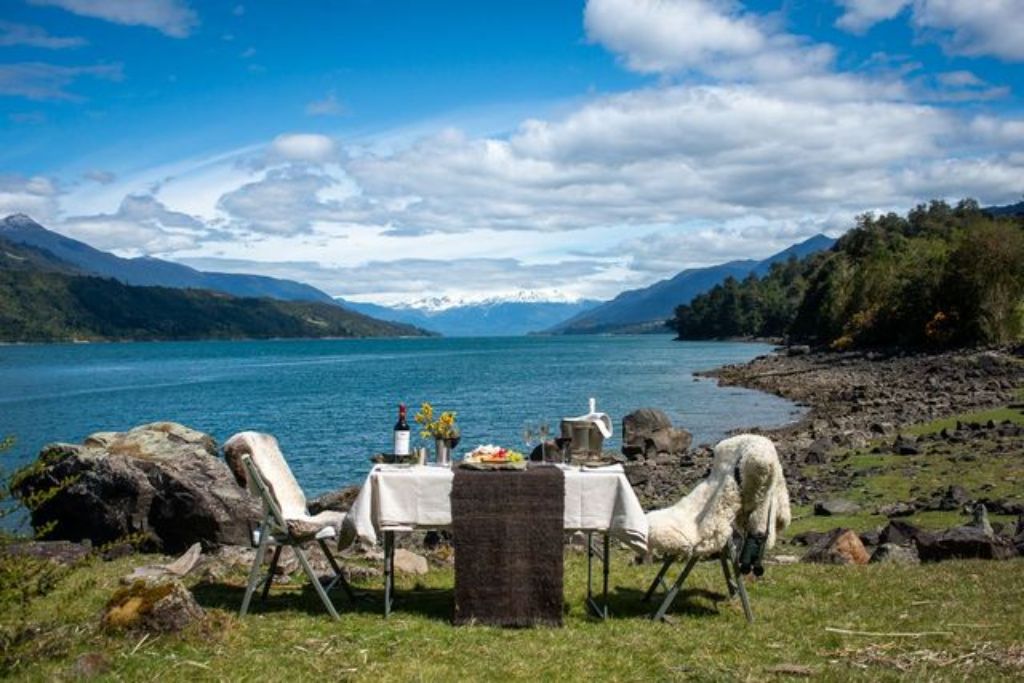
Given all the water, it’s no surprise that northern Patagonia is a seafood lover’s paradise. While the salmon farming in the area isn’t the most sustainable, the region’s pink trout is an excellent, tasty alternative. The coastline is also rich in abalone (giant sea snails), oysters, mussels, king crab, sea urchin, and conger eel.
There’s much to enjoy at Hotel AWA’s restaurant — as well as local veal and lamb — but the best way to experience the pleasures of Patagonian shellfish is at the source. The hotel is developing an excursion to take guests on a boat trip into an estuary, along with the resident chef and a local oyster diver. Together, they pull the oyster baskets from the sea, shuck their catch, and offer the straight-from-the-sea delicacy to their guests (optionally topped with sea urchin and caviar).
The conditions may be rustic, but tasting that freshness is a bigger luxury than any sort of white-glove opulence. It’s a bit like northern Patagonia itself: not aggressively glamorous, but authentically and memorably rewarding all the same.
Feature image courtesy of Hotel AWA.