Discover Normandy’s glowing countryside from Camembert and Calvados to Monet-inspired landscapes and historic seaside villages.
In Search of the Light (Monet, countryside, apple orchards)
Homeboy Claude Monet raved about the light in Normandy. And today, spying the landscape’s unique, gold-spun illumination, I can see why. The rolling pasturelands of this bucolic region of northern France, an easy jaunt from Paris, are aglow.
There’s no point in attempting to capture the luminosity with a camera. Even filters won’t do it justice. So I keep my eye on the undulating rural road and motor forward.
On my way, I ogle brown and white cows that graze in emerald meadows linking villages composed of thatched-roof, half-timbered houses. High hedges, called bocages, rise like walls, dividing the verdant patchwork of fields. Here, nostalgic farms churn butter, collect fresh cream, and produce sumptuous cheeses — like gooey Camembert, named for the village where it is made using centuries-old artisan traditions.
En route, apple orchards abound. They grow in thick, abundant rows, their fruit-heavy, human-like limbs suggesting crowds of roadside spectators. Wafting a perfume both sweet and floral, the variously sized apples evoke a timeless peacefulness.
Where History Meets the Sea
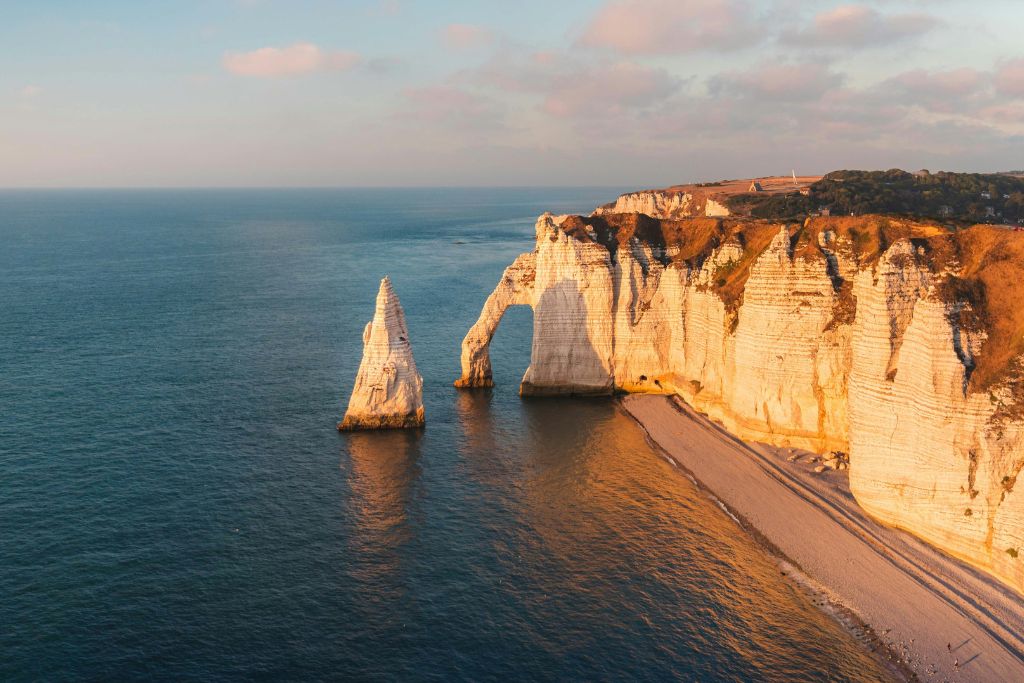
But the air becomes salty and savory as we get closer to the coastline. Jagged cliffs rise above an unbridled sea. Winds whip inland from La Manche, the French name for the English Channel, which forms the region’s marine boundary. Boisterous, even violent, the shoreline recalls Normandy’s bellicose history. Here, in ancient times, Vikings plundered, Joan of Arc led armies and was burned at the stake, and William the Conqueror set off for the Battle of Hastings — which he won in 1066.
Despite that storied past, and the tranquil inland countryside, Normandy remains best known for the greatest amphibious landing in military history — D-Day and the decisive 77-day battle it sparked.
While thronged in the summer, the D-Day beaches, their museums, and monuments are less crowded during autumn’s cooler months. Plan to spend at least half a day visiting the D-Day shore, which includes Utah, Sword, Gold, Juno, and Omaha beaches. The ponderous Pointe-du-Hoc bomb craters, the contemporary Les Braves Omaha Beach memorial, which kindles thoughts of angel wings, and the poignant American Cemetery in Colleville-sur-Mer speak to bravery and sacrifice — and are must-see sites for anyone visiting the region.
The Spirit of Normandy
While military history and homage bring most American travelers to Normandy, the region offers a plethora of other experiences. One of the few areas in France not known for its vineyards, Normandy makes up for its paucity of grapes with its affection for apples. Ranging in taste from bitter to sweet, the apples grown in Normandy boast fairytale names such as Gentle Bishop and Yellow Knight. Perhaps that heralds just how magical they will taste once baked into mouthwatering Norman-style pastries and tarts.
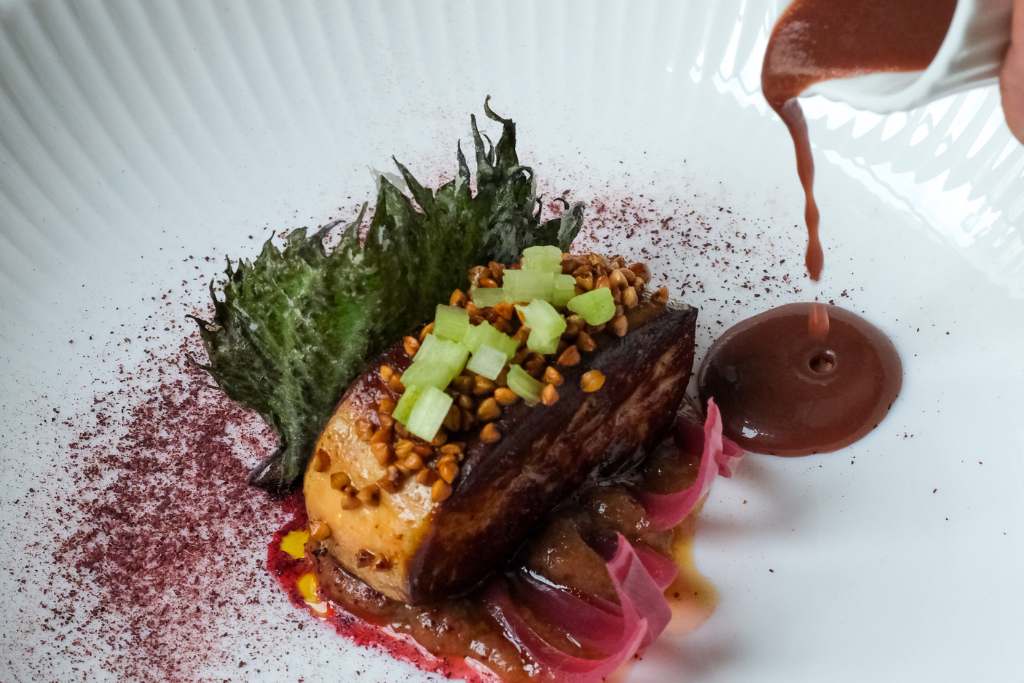
Rouen, the city where Monet holed up for two years opposite the cathedral and painted some 30 renditions of the church at various times of day and in multiple seasons, puts forth a coveted apple sugar — a sweet-tooth’s treat like no other. Savory dishes avec apples also get high marks. Sup on moules à la normande, a classic dish of mussels cooked with apples and cream, for example. But thirsty adults may yearn for their apples crunched in a more spirited way.
Normandy’s celebrated hard cider, a lightly fizzed, fermented, amber concoction served in a corked bottle, tastes of earth and festiveness. As with the Spanish — who, legend claims, taught the Normans to make cider when medieval Spanish sailors set foot here, saw the trees, and needed a whistle wetter — locals pour the beverage into the glass from high above the customer’s head in a dramatic free flow. This not only unleashes the nose, but also melds the complex flavors.
Want something stronger? Tipple the region’s revered Calvados, a tart, ego-empowering, twice-distilled apple brandy that certainly cures what ails you. Trust me, you won’t miss the wine. Within minutes, you’ll be converted by the Norman claim that cider and Calvados easily replace wine on any table, complementing the region’s cream sauces, rich cheeses, and fresh seafood (especially oysters, scallops, and mussels) with the citrus zing of a Sauvignon Blanc.
Find out for yourself with an excursion down the Cider Trail, a sign-posted tourist circuit that begins east of Caen. Winding through the countryside and encompassing hamlets like Beaufour-Druval, the self-tour takes imbibers to some 20 cider producers and distillers. Generally individually owned and always friendly, these small-yield producers open their cellars and pressing huts to thirsty pilgrims for tours and tastings.
A fascinating way to see the region is to pedal it. A number of marked trails link the villages, cities, and sites, and the slower pace allows for more meditative sightseeing. Flat landscapes, uncrowded paths, countless farmers’ markets, and idyllic picnic spots ensure a ramble at your own pace, while your suitcases are delivered ahead to each night’s lodging by local outfitters, such as Cyclomundo. Their five- or six-day supported tours direct you to D-Day sites, but also include stops in noteworthy Norman cities like Bayeux, miraculously unscathed by the war and home to the 230-foot medieval Bayeux Tapestry, which depicts the Norman Conquest.
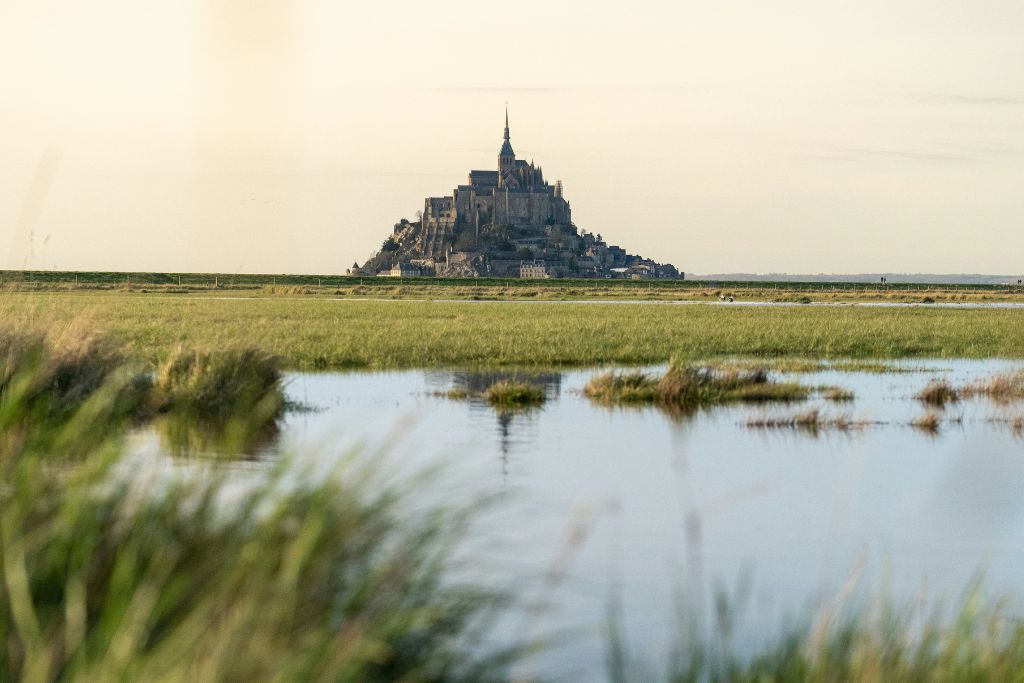
Conclude your visit to Normandy at Mont-Saint-Michel, an island abbey that lords over the coast. Centuries old, it exudes a gravitas awash in dark and light — a metaphor for both the folly and goodness of mankind. It’s an ideal spot to ponder the feelings of anguish and joy the region brings forth.
Where to Stay
Deauville
Belle Époque Hôtel Barrière Le Royal Deauville, a member of The Leading Hotels of the World, overlooks a crescent of sand mere steps from premier shopping and a smattering of classic Norman half-timbered villas. Opulent and extravagant, this grande dame offers the quintessential seaside Normandy experience.
Honfleur
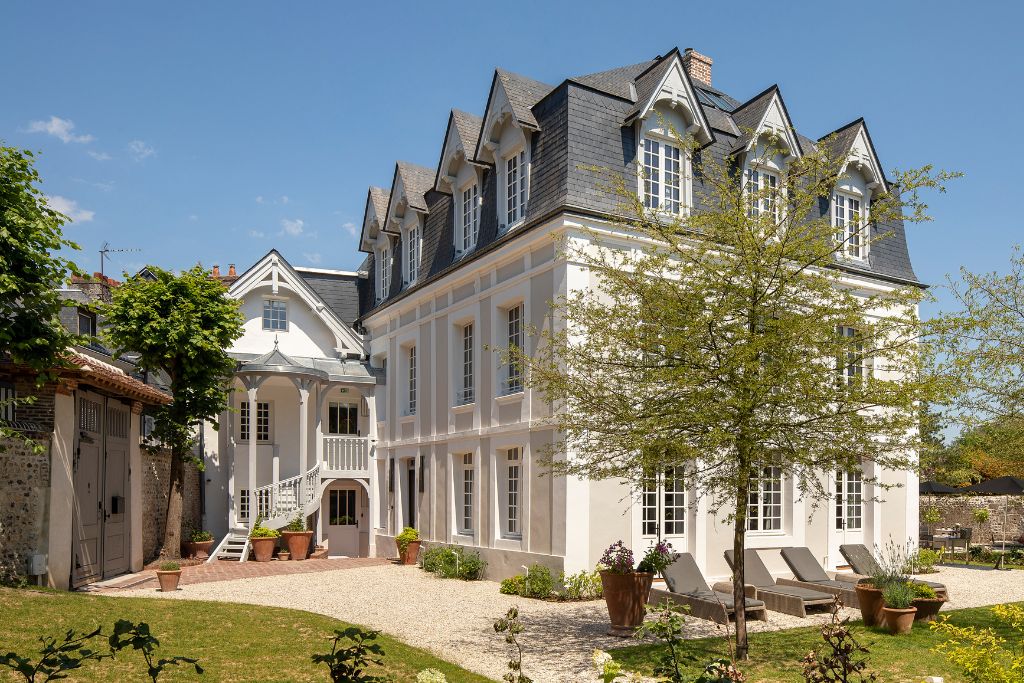
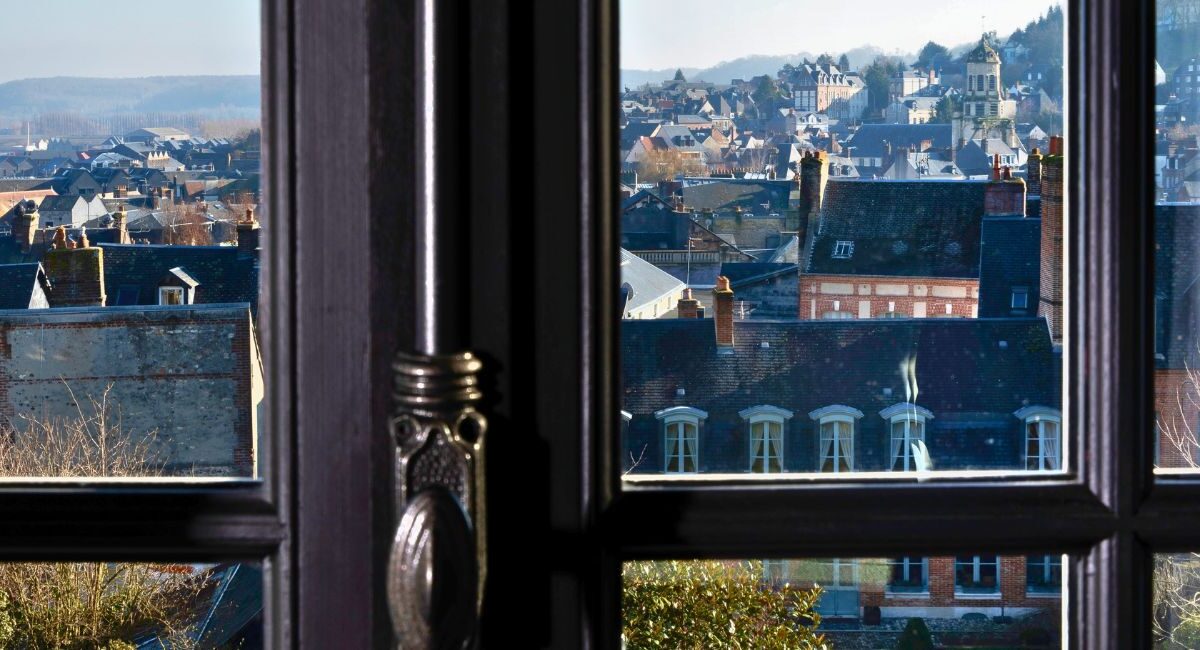
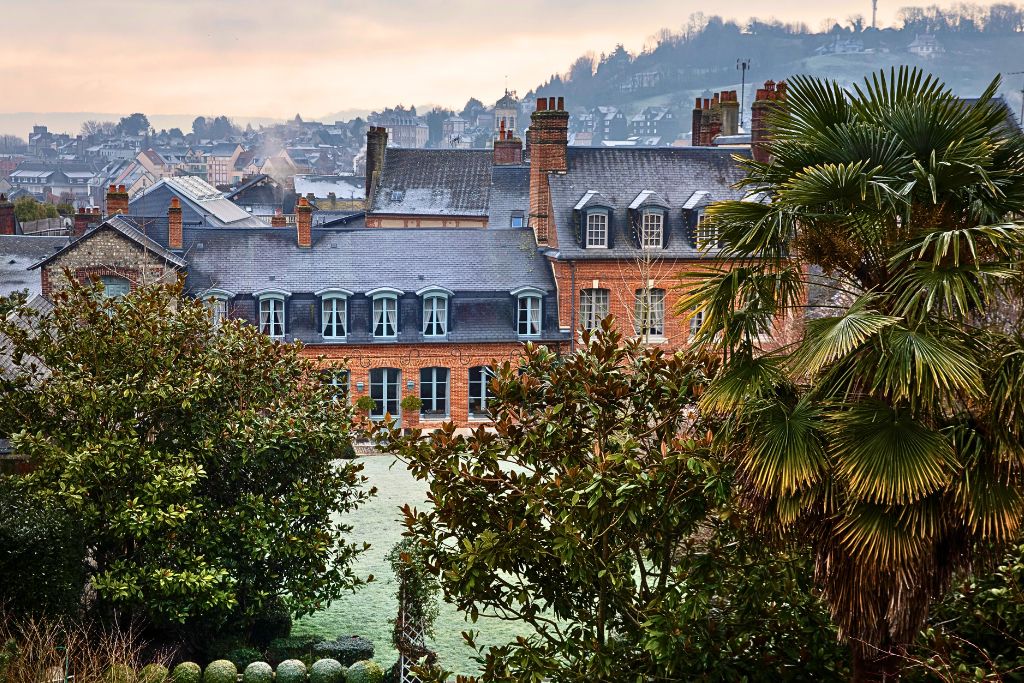
Where the Seine greets the English Channel, Honfleur tempts with its pencil-thin row houses. Hôtel Saint-Delis, a member of Relais & Châteaux, occupies the 17th-century home of Henri de Saint-Delis and reflects the historic quarter’s mood with boutique charm.
Bayeux
Villa Lara, an elegant and intimate hotel in one of Normandy’s most special towns occupies a key place in the historic and medieval downtown.
Lille
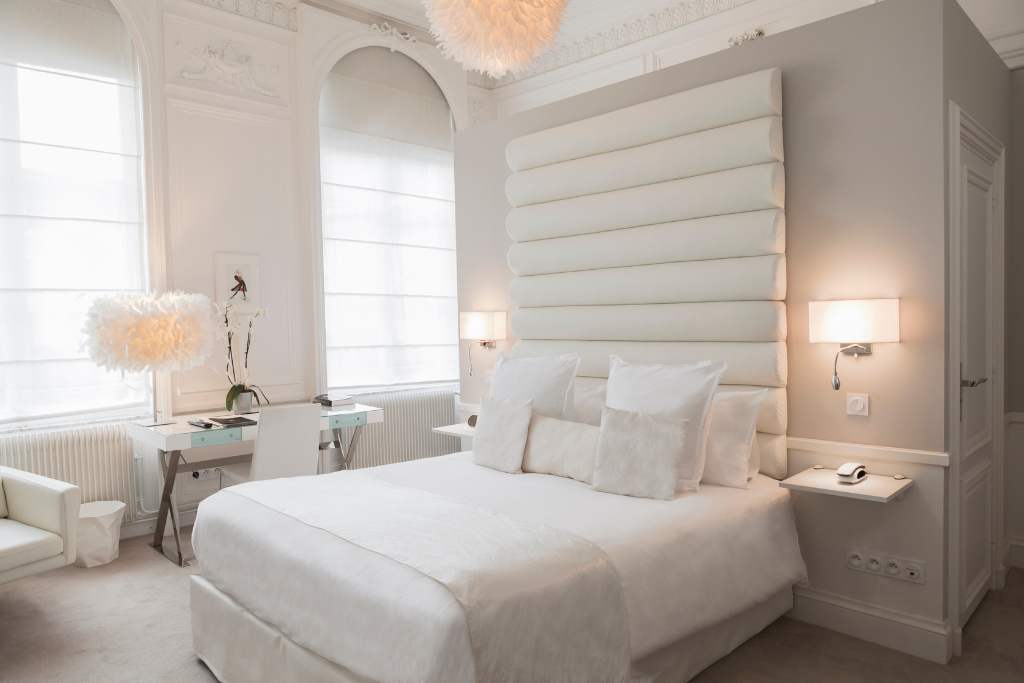
Should you take the Eurostar and spend the night in Lille, Hotel Clarance fits the bill. Ensconced in an 18th-century mansion in the heart of Vieux-Lille, this member of Relais & Châteaux excels in the gastronomic arts.
Getting There
Getting to windswept Normandy can be tricky. Normandy is about the size of Maryland, with its attractions spread out, so a car is your best for flexibility. We recommend Javi Transfers and Tours for those who want to take a day trip from Paris with an expert guide and see the highlights.
The train trip from Paris to Deauville is about three hours for those who want to base themselves in the area and rent a car. Those combining a trip to Normandy with the UK can take the Eurostar to Lille, then rent a car and explore the area. On the Eurostar, we recommend Eurostar Premier, the highest-tier experience. It’s worth the higher price for complimentary Champagne served at your seat, a Raymond Blanc-designed three-course meal, and fee-free exchanges and refunds, though be aware that the seats are not particularly fancy. Premier’s most coveted perks are its fast-track customs check-in and private lounge at St Pancras Station.
Feature image courtesy of Relais & Chateaux.