Spend a month or an entire season in Spain’s southwestern corner of Andalusia where time slows.
Andalusia rewards the unhurried. The southwestern corner of Spain is a place that moves slowly, where dinners start late and end later, where villages blink gently to life in the late morning, and where sun-soaked afternoons practically demand a siesta. It’s southern Europe at its most atmospheric.
By any measure, Andalusia is big, almost as large as all of continental Portugal, with a population of 8.6 million (the largest of any region of Spain) and a number of iconic cities, such as Seville, Córdoba, and Granada. It contains some 3,000 years of civilization, including Roman, Moorish, and Renaissance history, as well as a 20th-century tourism boom along the Costa del Sol. It’s also Spain at its most Spanish: the bullfights of Hemingway’s history, the flamenco of a thousand small bars, the gracious, horsey haciendas unfolding over acres and acres of land.
Now is an especially good moment to visit. High-speed trains connect Seville and Córdoba with the international airport in a matter of hours. There’s a wave of new luxury hotel conversions, a growing constellation of Michelin stars, and a generation of young chefs reclaiming Andalusian identity. One could easily spend a month here, or a whole season, but for those in search of a quicker introduction, here are the highlights.
The Cities:
Seville
The regional capital and most seductive city in Andalusia, Seville is worth a visit almost any time of year for its warm and sociable culture, exceptional Mudéjar architecture, grand monuments, and jasmine-scented squares. Its tapas bars are the real deal, as are its intimate flamenco halls. The best time to go is spring, when the city comes alive with its dramatic processions in celebration of Holy Week (don’t be shocked by the pointy white hoods) and the April Fair, a one-time cattle fair that’s evolved into an international event with more than 1,000 tents serving food and wine, locals riding horseback in traditional dress, and exuberant singing and dancing in the streets.
Where to Stay: Hotel Alfonso XIII, a Luxury Collection Hotel, is the historic grande dame, commissioned by the King of Spain almost 100 years ago to host visiting dignitaries during a world expo. The most anticipated new opening is the upcoming Thompson Seville, a conversion of a former Modernist police station into a 101-room hotel.
Granada and the Alhambra
There are other reasons to visit Granada, a city in the foothills of the Sierra Nevada that’s full of medieval architecture dating from the time of the Moorish occupation. But really, you’re there for the Alhambra, a hilltop fortress complex of royal palaces, fountain courtyards, and serene reflecting pools from the Nasrid dynasty. It’s a UNESCO World Heritage Site and the most visited monument in Spain, but it’s possible to avoid the worst of the crowds by going at dusk, when the Sierra Nevada turns pink in the distance, or booking a night tour to see the colonnaded courtyard and elaborate carvings by moonlight.
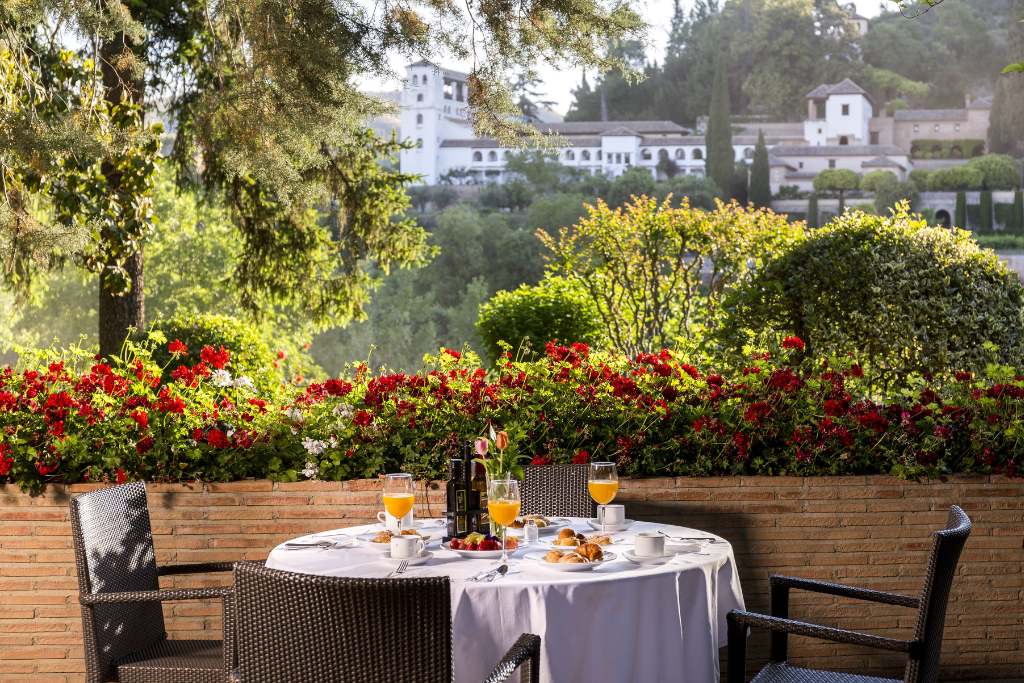
Where to Stay: Gran Hotel Claridge Granada opened in May 2026 with an enviable location in the old city with views of the Alhambra. Alternatively, book a history-steeped stay at the Parador de Granada within the palace walls.
Córdoba and the Mezquita
The most famous sight in Córdoba is the Mezquita, a cathedral created inside a mosque, which is itself inside a Roman temple. It’s stunning in its own right, and nothing in Europe provokes quite the same sense of layered time. Beyond the giant (formerly) sacred structure, Córdoba delights with its flowerpot-filled courtyards, which come spectacularly to life during a flower festival in May. The city is also home to one of the most daring fine-dining restaurants in Spain, chef Paco Morales’s Michelin three-star Noor, a homage to the culinary history of Al-Andalus. A new menu each year pays tribute to a different century of history, re-creating traditional recipes and his own inventions for a fictional caliphate.
Where to Stay: Hospes Palacio del Bailío feels like a luxurious family home that’s welcomed visitors for generations, which is, in fact, what it is. Similar but a little less extravagant, El Balcón de Córdoba is a solid four-star option.
Picturesque Coastline
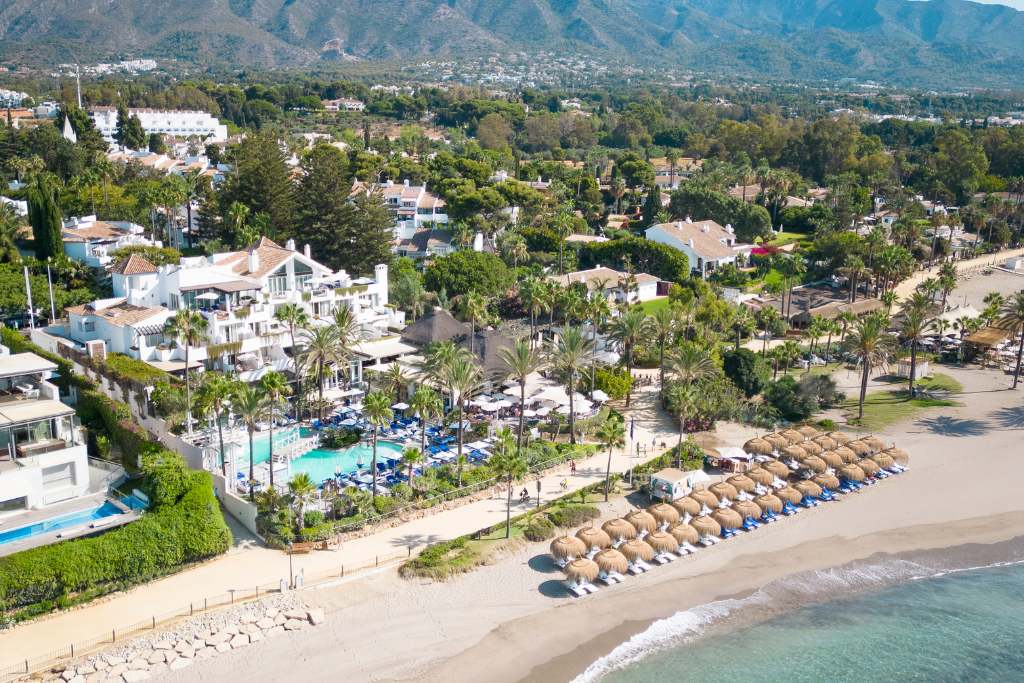
Parts of the Costa del Sol — the stretch between Gibraltar and the eastern boundary of Andalusia — may be overdeveloped with high-rise resorts and golf courses, but many of the beaches are undeniably lovely. There are also charming towns such as Fuengirola and Torremolinos. And its main cities are worth a stay in their own right: Málaga is fantastic for art and culture, including a museum dedicated to native son Pablo Picasso, while Marbella continues to impress with its international glamour. Meanwhile, the western Costa de la Luz — from the kitesurf haven of Tarifa to the Portuguese border — offers a more rugged alternative, with golden Atlantic dunes and one of Europe’s oldest cities, Cádiz. The latter is also home to chef Ángel León’s extraordinary Michelin three-star Aponiente, a laboratory of sustainability and gastronomic R&D.
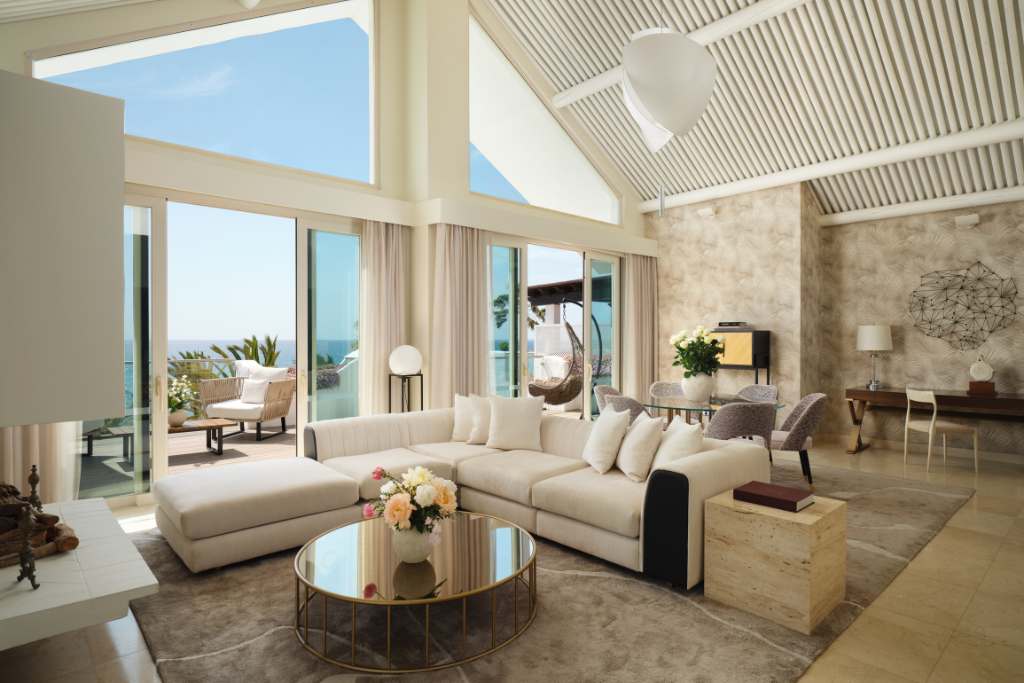
Where to Stay: The newly opened Áurea Palacio de la Tinta occupies a gorgeous 1908 building and pays homage to Picasso’s creative universe. In Marbella, the old-school classics are still the way to go, with the Marbella Club and Puente Romano leading the pack.
The Birthplace of Sherry
Sherry is no longer just a grandma’s tipple. The dry, fortified wine is increasingly recognized for its gastronomic possibilities — particularly as an accompaniment to the rustic tapas of Andalusia. The beverage traces its roots to the Phoenicians, who introduced winemaking to the area around present-day Jerez more than 3,000 years ago.
Today, the “sherry triangle” of Jerez de la Frontera, Sanlúcar de Barrameda, and El Puerto de Santa María in the southern province of Cádiz entices visitors with its centuries-old bodegas, sunny patios, tapas bars, and flamenco lounges that come alive after dark. Behind the thick limestone walls of many wineries, rows of aging barrels rest beneath cathedral-like ceilings while the region’s distinctive solera system quietly blends vintages over decades rather than years. Tastings often unfold alongside slices of jamón ibérico, local cheeses, or just-caught seafood from the nearby Atlantic, making it easy to understand why this once-overlooked wine has become one of Spain’s most compelling culinary experiences.
Light, Landscape, and the White Villages
The Pueblos Blancos, including the improbable Ronda, the imposing Arcos de la Frontera, and the charming Zahara de la Sierra, are perched on limestone cliffs under skies that belong to a Velázquez painting. There are designated routes to explore them, including one in the coastal province of Málaga and another in the nearby Cádiz region, which promotes 19 stops on its tour. That’s likely overkill, but almost all of them have beguiling narrow roads, passageways that evoke the Moorish past, and a layered history that includes the presence of Ernest Hemingway, Orson Welles, and Rainer Maria Rilke.
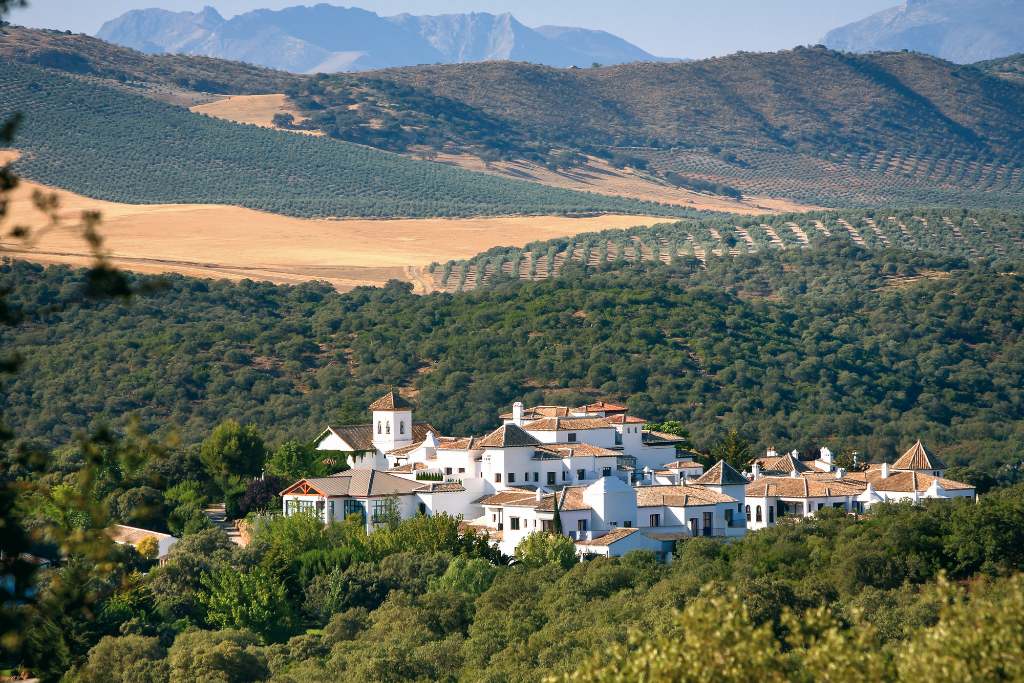
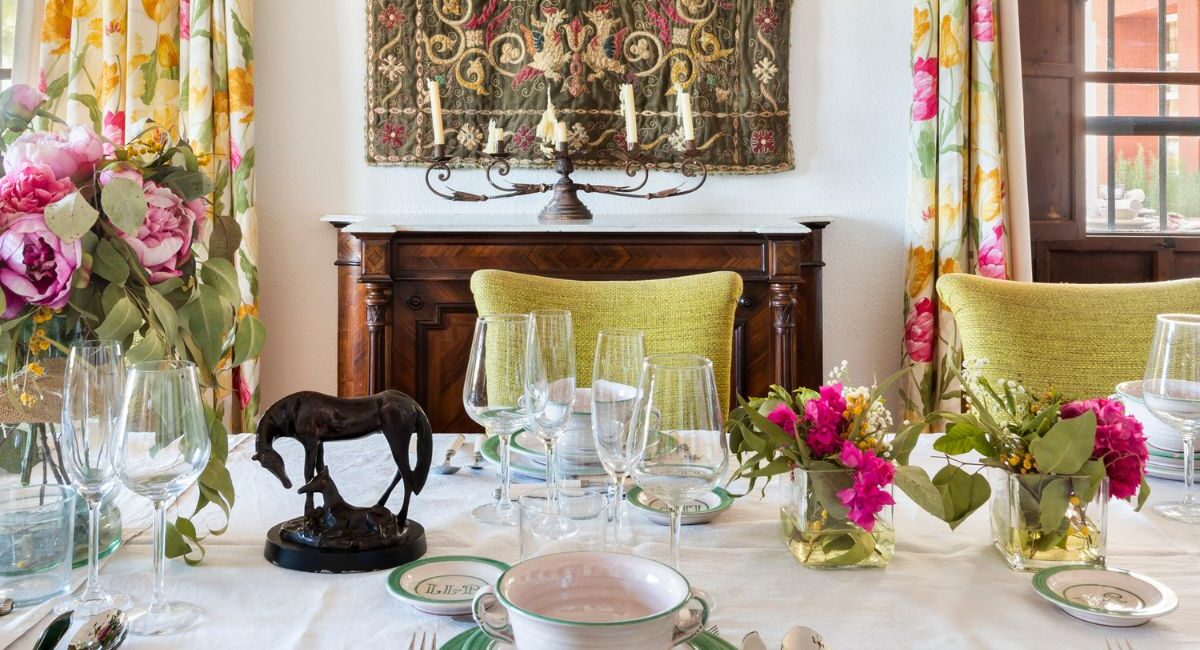
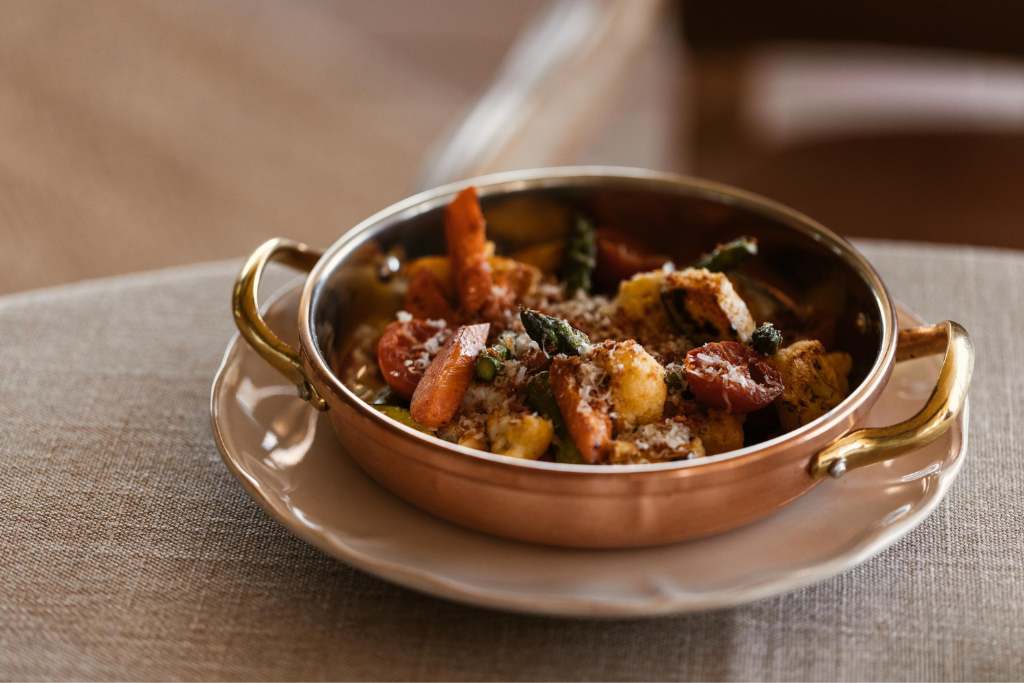
The whitewashed farmhouse hotels of the Andalusian interior are the ultimate slow-travel base. Whether they’re grand haciendas (estates), simpler courtyard cortijos, or more agricultural fincas, they share an ease of rhythm and a generosity of spirit. The standouts are as gracious as it gets, with warm hospitality, timeless aesthetics, and long, languid dinners on terraces underneath the stars. Their gastronomy is also often exceptional, as this is the larder of Spain. Andalusia produces some of the country’s best olive oil and jamón ibérico and is home to regional specialties like atún de almadraba(bluefin tuna that’s caught using an ancient artisan method), gazpacho, salmorejo(a soup of tomato, garlic, and bread that’s thick enough to stand your spoon on end), espetos(grilled sardine skewers), and tortillitas de camarones (small shrimp fritters from Cádiz). Any combination of the above with an ice-cold Manzanilla sherry is a perfect dinner for a hot summer night.
Where to Stay: Midway between Seville and Jerez de la Frontera, the 18th-century Hacienda de San Rafael feels every inch the family-run (and highly polished) labor of love that it is. Alternatively, the larger Finca la Bobadilla captures the hacienda sensibility on a much grander scale, with the know-how of one of Spain’s leading boutique hotel brands behind it.
An Equestrian Paradise
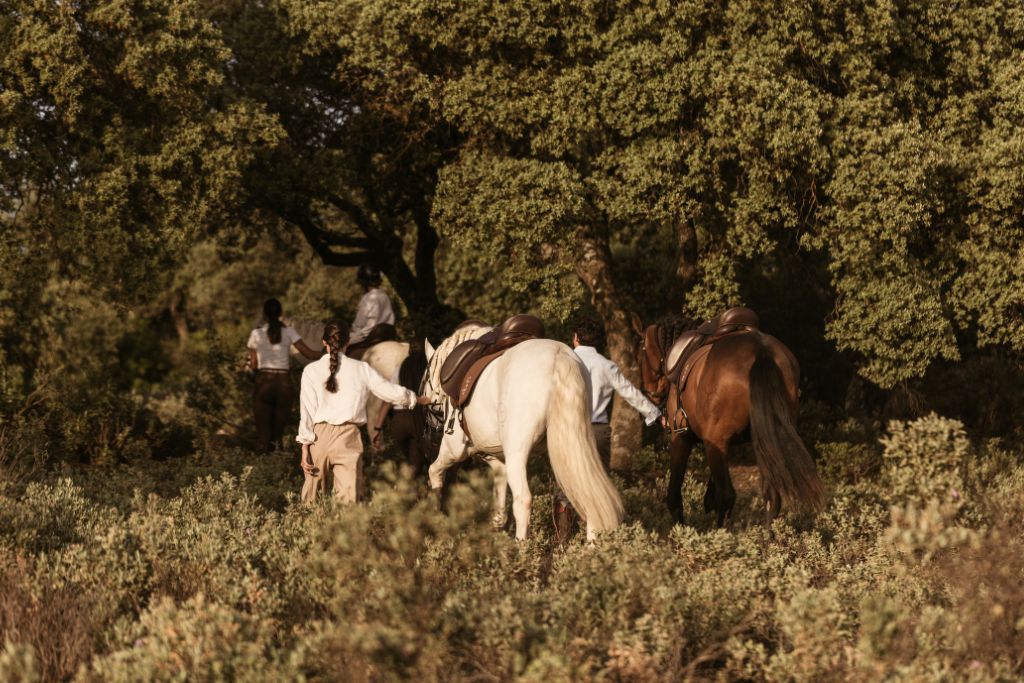
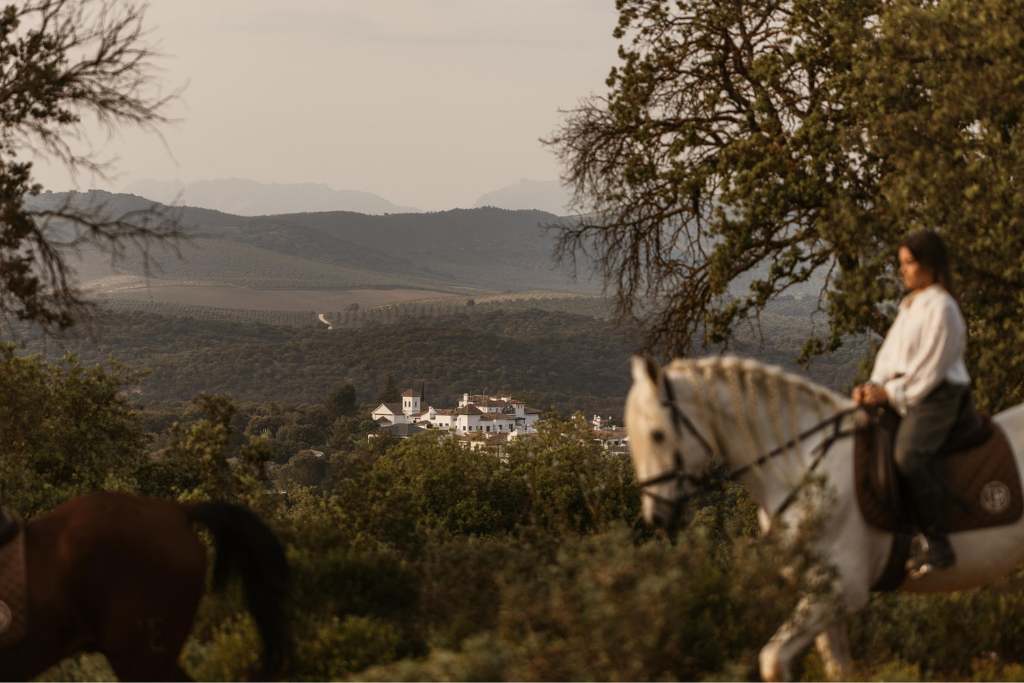
Andalusia is home to one of the most storied equestrian traditions in the world, a tapestry woven over centuries by Moorish, Roman, and Spanish influences. The native Andalusian horse, Pura Raza Españolain Spanish, is celebrated the world over for its grace and intelligence. Horsemanship remains important, as seen in festivals, impressive shows at the Royal Andalusian School of Equestrian Art, and the day-to-day life of the region’s well-to-do families. For visitors, there are outstanding opportunities to learn or improve their horsemanship, or to ride through sun-drenched olive groves, whitewashed villages, and the dramatic landscapes of the Sierra Nevada and the marshlands of Doñana.
Where to Stay: Many of the top hacienda hotels have their own horses or partnerships for short rides. Standouts include the eclectic La Donaira and the highly genuine Kukutana, where the owners guide riders on the horses that have been part of their family for generations. For a deeper immersion, the excellent George Scott Riding Safaris runs longer programs with luxury camping in the Andalusian countryside.
Featured image courtesy of Kukutana. Travel Curator may earn a commission from booking links on this page.