Turin is not a tourist city. It doesn’t have the grandeur of Rome, the surreal beauty of Florence, or the majestic decadence of Venice. You can eat better pizza in Naples, better tortellini in Bologna, better risotto in Milan. It’s a hardworking city — even a somber one — and not a stop on most first-timers’ (or even second- or third-timers’) Italian itineraries.
And that is precisely what makes this regional capital of Piedmont great. The fourth largest city in Italy is blissfully free of selfie sticks, cruise-ship crowds, and tourist-trap trattorias. This is Italy for Italians, and while visitors are warmly welcomed, the city hums along on its own rhythms, without ever putting on a show for outsiders. It hasn’t turned its historical relics into preserved-in-amber monuments; it has repurposed them for modern life. The gorgeous Castello del Valentino, which was built in the early 1600s for the Royal House of Savoy, is now the architecture school of the city’s polytechnic university, and the unapologetically industrial Fiat factory that drove the city’s economy in the 20th century is now a cultural complex anchored by a contemporary art museum.
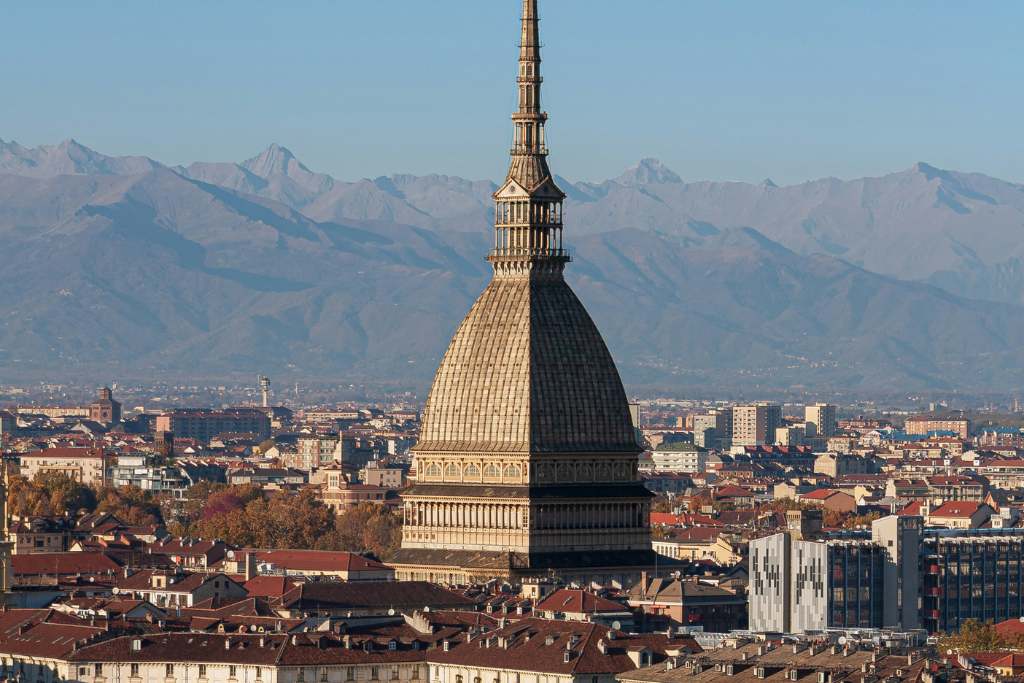
Turin, or Torino in Italian, is also a gateway to greatness. It sits at the foot of the Alps and enjoys crystalline views of the snowy peaks on clear days. Portofino and the Italian Riviera are close by, as are Monaco and the South of France. Milan is just an hour by train, and the food and wine centers of Piedmont are about the same distance by car, especially Alba — the white truffle capital of the world and the seat of Italy’s Slow Food movement — and the Barolo and Barbaresco wine producers of the surrounding Langhe, Roero, and Monferrato hills.
A City Built for Kings
Turin served as the capital of the first unified Italy from 1861 to 1865. Centuries before that, it was the seat of the House of Savoy, one of the most powerful dynasties in European history. To this day, traces of their French accent remain, especially in the architecture. Twenty-two Savoy residences, including that architecture school, in and around the city are now collectively listed as a UNESCO World Heritage Site.
Much of the city feels like an open-air baroque museum. Much of it was laid out on a rational grid plan in the 17th and 18th centuries. Its central Piazza San Carlo is vast and grand, especially since the city moved the cars to an underground parking lot and turned the square into a pedestrian plaza in the run-up to the Olympics two decades ago. (And soon, the long street that connects it to the central train station, Via Roma, will be fully pedestrian when it emerges from construction to upgrade it.) The streets in the city center are lined with more than 11 miles of covered porticoes and arcades, making them the longest covered walkways in the world.
Culture Without the Crowds
Turin punches far above its weight culturally. The city’s Egyptian Museum, founded in 1824, holds one of the best collections of ancient Egyptian artifacts outside Cairo, including 24 human mummies and 17 animal mummies. The National Museum of Cinema, housed inside the landmark Mole Antonelliana building (whose panoramic roof deck is worth a visit on its own), pays creative homage to the medium of film. Meanwhile, cutting-edge contemporary visual art has pride of place within the stunning Castello di Rivoli, now one of Italy’s foremost modern art Institutions.
The list goes on. La Venaria Reale is an extraordinary collection of palaces and gardens, full of baroque masterpieces of art, architecture, and landscape and easily worth a full day on its own. The architectural tours of the Teatro Regio Torino theater and the spiritual history and spectacular city views from the hilltop Basilica di Superga also add to Turin’s considerable cultural appeal.
The Shroud
For the devout, the Shroud of Turin needs no introduction. It’s one of Christianity’s most debated relics: a 14-foot linen cloth that’s said to bear the faint image of a man that millions believe to be the burial shroud of Jesus Christ. It’s housed behind closed curtains within the Royal Chapel of the Cathedral of Saint John the Baptist — and only very rarely on public display — which makes the pilgrimage to see it an act of faith in itself. Even so, a visit to the cathedral is worth it to contemplate the mystery, understand the controversy around it, or simply to appreciate the ecclesiastical architecture of the Renaissance.
Where to Stay
For all its cultural and architectural grandeur, Turin still lacks a grand hotel that’s a destination in its own right. That said, it’s not lacking for comfortable accommodations. The 100-room Principi di Piemonte occupies a striking Rationalist-style building near the city’s iconic landmarks and is part of Preferred Hotels’ LVX collection. There are reliable four-star options from European brands like NH Collection, or for something a bit more boutique, Opera 35 is a Michelin-recommended choice in a Belle Epoque building.
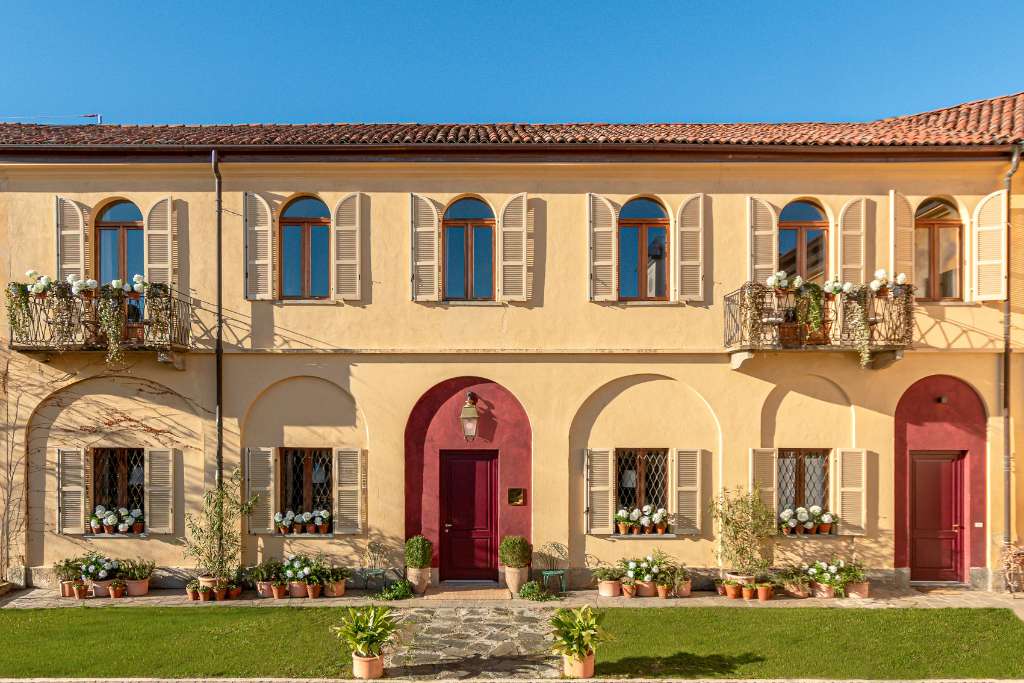
Or for a best-of-both-worlds stay, there’s the new La Giardina Guest House, a jewel box owned by Italian-Canadian artist Bruno Billio. He has filled the four bedrooms and shared spaces with vintage pieces and his own exuberant artworks, and he takes special delight in playing host, whether that means preparing Italian-style breakfasts or organizing in-house tastings from his favorite Piedmont wineries. The city is just 30 minutes away on the highway, but the vibe is pure northern Italian countryside.
Where to Eat
One of the great beauties of Turin is that it doesn’t care about tourists, and this is especially true in its restaurants. Everyone is welcome, of course, and maybe there will be menus in English, but nothing is overpriced or watered down. They serve what they want to eat themselves, and often in grand historical settings. The Michelin-starred Del Cambio occupies an opulent building that dates from the 18th century — and was once a gathering place for the parliamentarians of the original Italian republic — and serves a tasting menu that draws on recipe books from that earlier time.
History is also on the menu at Caffè San Carlo, a gloriously gilded and chandeliered caffeine spot near the central square, and at Baratti & Milano, a chocolatier and café that’s been at the heart of Turin’s cultural life since 1875, when it served as a gathering place for intellectuals, politicians, and artists. Now it’s a meeting point for residents who appreciate good food, such as Jerusalem artichoke flan and traditional vitello tonnato (roasted veal with tuna sauce). And outside the city center, there’s the winning, boisterous Antiche Sere, an old-school osteria with a friendly staff, classic menu (pillowy agnolotti, melt-in-your-mouth veal cheeks), and a romantic garden that’s set with tables in the summer.
Where to Shop
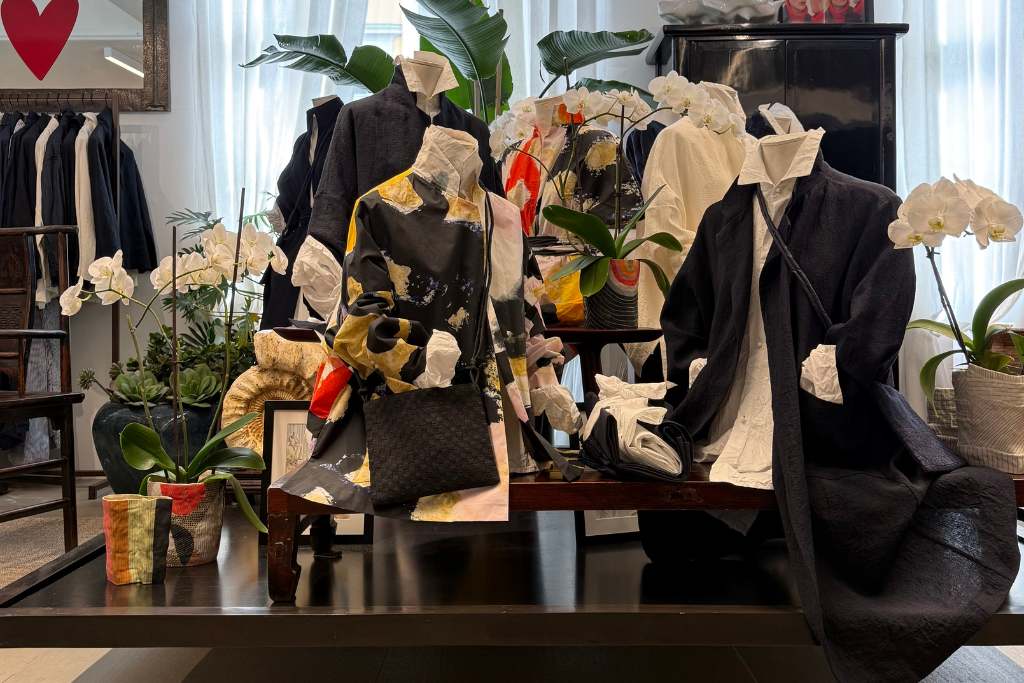
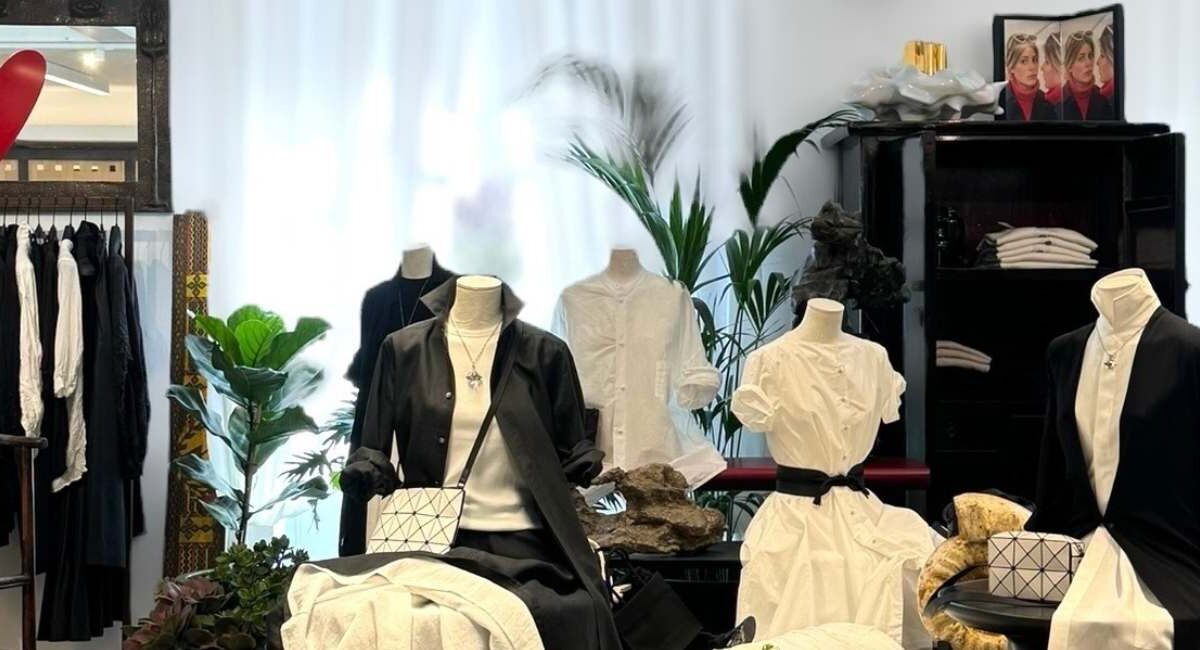
Turin’s answer to Milan’s famous 10 Corso Como, San Carlo dal 1973 is a gorgeous concept store from the mind of noted designer and stylist Giorgina Siviero, an octogenarian who has worked in many corners of the fashion industry and held onto her gimlet eye. One showroom displays men’s, women’s, and unisex collections from designers like Issey Miyake and Daniela Gregis, while another is filled with cult fragrances from Byredo, Diptyque, and Santa Maria Novella. For all the fashion wattage on display, the staff is as friendly and welcoming as can be.
Italy’s Motor City
Along with the Savoyard history, Turin’s 20th-century claim to fame is as a hub of automobile production. It was here that Giovanni Agnelli founded Fiat in 1899. In 1923, his Lingotto factory became one of the most audacious industrial buildings ever conceived: Cars moved upward along a five-story production line and onto a banked test track on the roof, a loop of asphalt in the sky that still ranks as one of the great architectural follies of the era. A couple of decades ago, the Lingotto was reimagined by architect Renzo Piano as a cultural complex, with a shopping mall on the bottom and, since 2022, the Pinacoteca Agnelli on top. The latter is a sleek gallery housing the Agnelli family’s private art collection, with works by Picasso, Manet, Renoir, and Matisse. The rooftop track is now La Pista 500, a panoramic art walk with works by international artists, including sculptures, light and sound installations, and cinema projects. Nearby, Italy’s automotive love story continues. MAUTO, or Museo Nazionale Automobile, traces driving history from the first sputtering prototypes to the iconic Ferraris and Lancias that made Italy the sexy design capital that it is.
Feature image courtesy of San Carlo dal 1973.