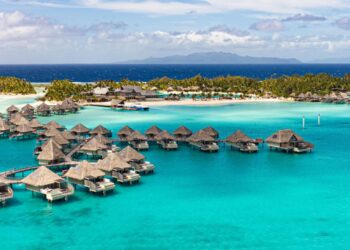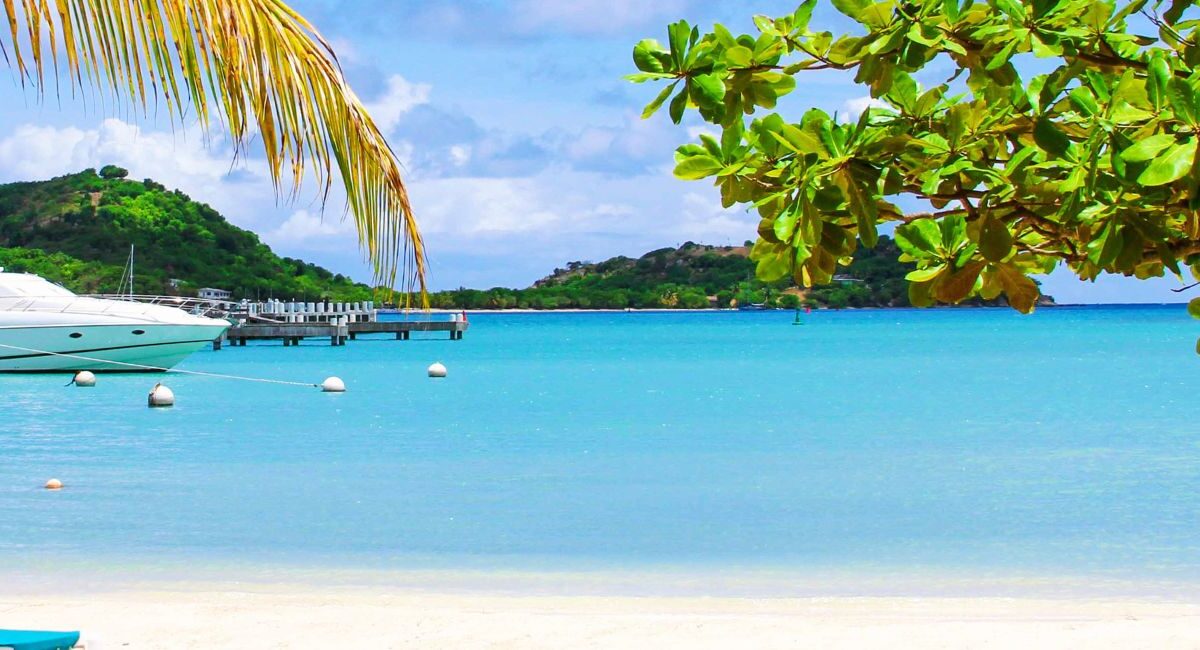
Of course Antigua and Barbuda have beautiful beaches. The islands are some of the jewels of the Eastern Caribbean, with their white sand lapped by nearly incandescent turquoise waters. But their appeal hardly stops with the sand. The double-island nation’s distinctive identity really comes alive beyond the beach— at its big festival gatherings and in its sun-soaked athletic competitions, and above all, in its kitchens and at its tables.
The culture and cuisine of Antigua and Barbuda shape the travel experience and create meaningful connections for visitors. They’re the gateways for visitors who want to gain a deep understanding of the islands through taste, tradition, and creative expression. They’re also the ingredients for an extremely good — and extremely tasty — time.
“From my perspective, what makes Antigua and Barbuda’s food culture so special is everything behind it — where the ingredients come from, who’s preparing them, and the history tied to every dish,” says Chef Claude Lewis, a first-generation American of Antiguan and Barbudan descent and an internationally recognized culinary artist known for his eclectic, globally inspired cuisine. “We come from a true no-waste culture; nothing from the land or sea is taken for granted, and no part of an animal or vegetable goes unused. The soil is incredibly fertile, which means the produce grown here is naturally rich, vibrant, and packed with nutrients.”
The Basics
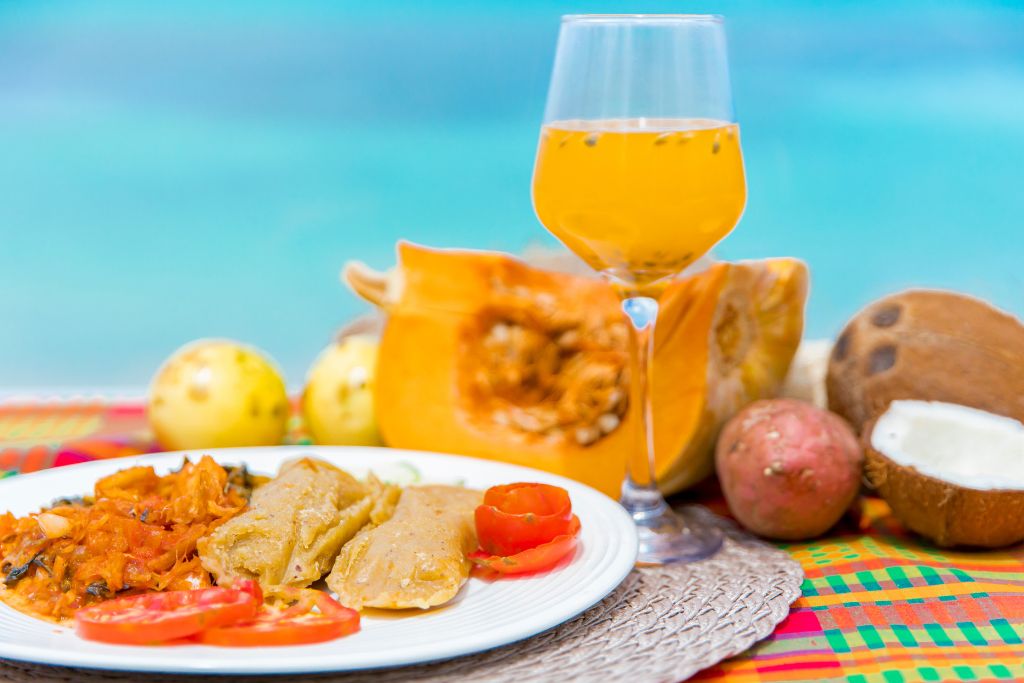
Antiguan and Barbudan cuisine is a vibrant reflection of the islands’ African, British, and indigenous Arawak heritage. The national dish, fungee and pepperpot, pairs a cornmeal dumpling similar to polenta with a hearty stew of salted meat, okra, and leafy greens. Seafood also plays a starring role, with fresh lobster, snapper, and conch appearing regularly on local menus. Ducana, a sweet dumpling made from grated sweet potato and coconut wrapped in banana leaves, is another beloved staple, typically served alongside saltfish (dried whitefish, usually cod). Seasonings like scotch bonnet pepper, garlic, fresh thyme, and chives bring bold warmth to most dishes.
At the same time, “Antigua and Barbuda’s culinary culture stands out because of its evolution,” says Jermaine Jonas, the owner and operator of BushBungalow, the island’s first culinary space with a hyper focus on creating a plant-based menu with a strong planet-friendly ethos. “While we remain deeply proud of our traditional dishes such as fungee and saltfish, we have also positioned ourselves as a major culinary destination.”
The Special Treats
“One of the truly unique gems you’ll find on the island is the black pineapple,” says Lewis, who has cooked for UN delegates and represented Antigua and Barbuda at the Dubai World Expo, serving as a global ambassador for Caribbean cuisine. “It’s not actually black — but it’s known as the sweetest pineapple in the world. This small, powerful fruit has been cultivated for centuries by local farmers in Antigua and Barbuda, and it’s a real source of pride for us. It’s so iconic, it even holds a place on our national coat of arms.”
Jones also praises the pineapple, then highlights another standout. “Antigua is also known for preserving the tradition of the wood-fired oven bakery, a craft that is gradually disappearing in many parts of the Caribbean and beyond,” says the chef. “The experience of bread baked over wood, with its crisp crust, subtle smokiness, and unmistakable aroma, is not just about taste but about heritage. These bakeries represent continuity, community, and a living link to our past.
The Seasonal Rhythms
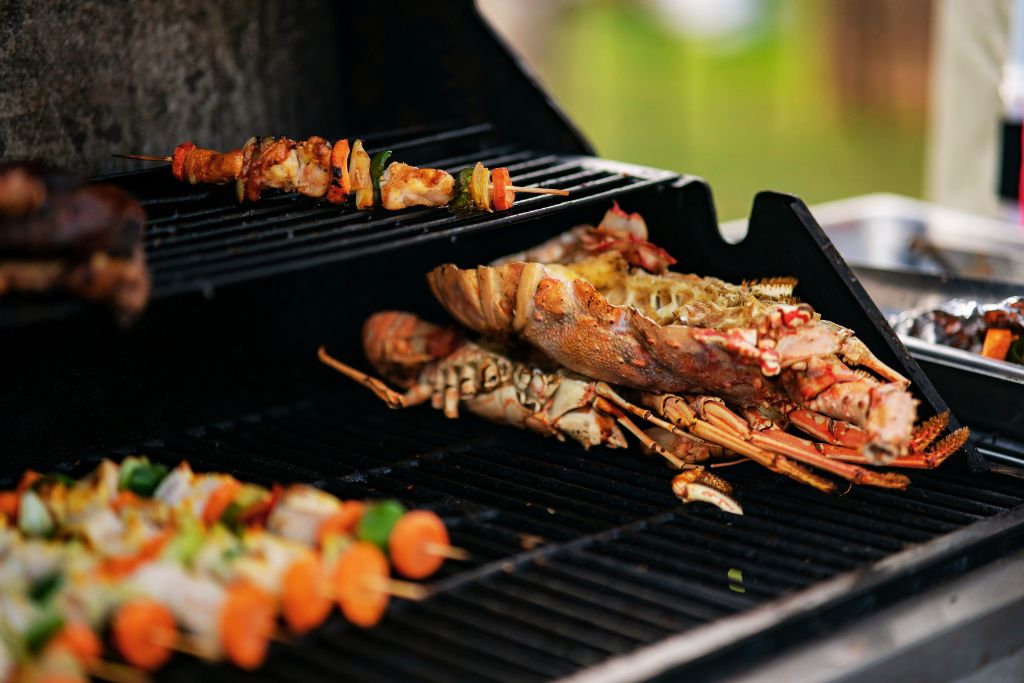
“When I touch down on the island, the first thing I’m thinking about is what’s in season,” says Lewis, who is based in New York. “Lobster, snapper, mango, sugar apple, and of course that prized soursop.”
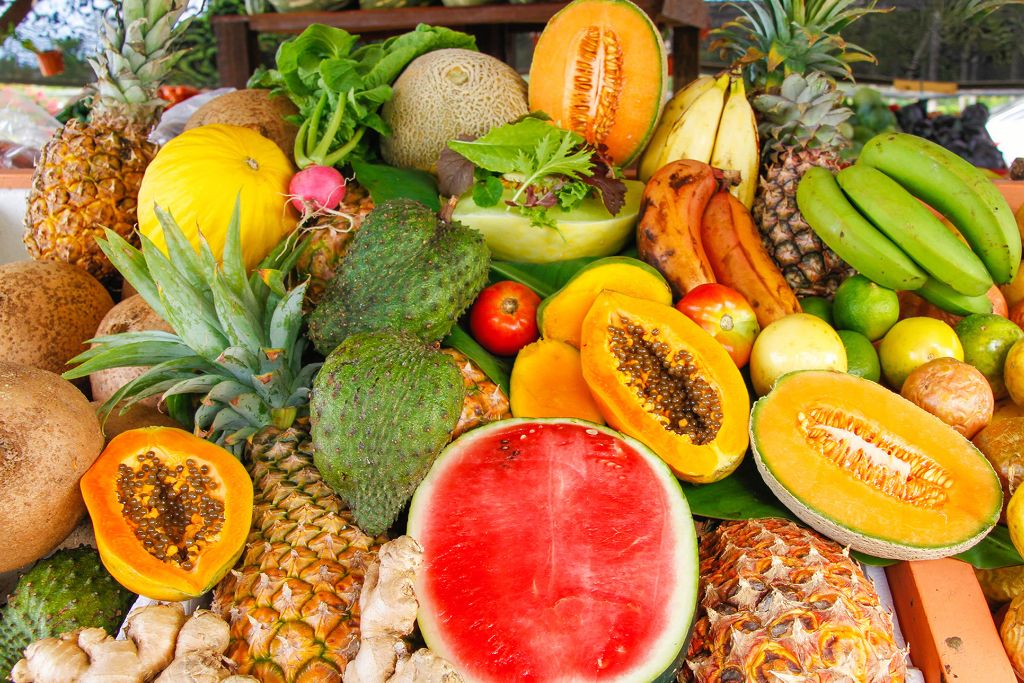
Jonas also emphasizes the local and seasonal. When he returns to Antigua after traveling, “the first place I would go for food would be the Saturday Market. It is truly the heart of our island’s culinary scene. From farmers who arrive before dawn with fresh produce, to fishermen docking at sunrise with the morning’s catch, the market captures the rhythm of Antigua and Barbuda in real time.”
New Restaurant to Know
While many of the island’s beloved institutions like Roti King, Fox House, and Sheer Rocks are still going strong, Antigua’s dining landscape continues to evolve. That’s particularly true at the high end. The Hut, Little Jumby, a chic beach restaurant and club on a private island just off the main island’s north coast, quickly became one of the most sought-after day-to-night dining spots. Its Mediterranean-inspired cuisine with Caribbean influences, as well as its polished, international feel, have helped elevate the island’s beach club culture. Likewise, Slates Restaurant & Bar offers sophisticated takes on traditional cuisine, focusing on Caribbean seafood and beautifully plated dishes in a contemporary setting overlooking the scenic Willoughby Bay.
International influences are also taking center stage. The new KŌYA Antigua on the English Harbour waterfront brings Nikkei cuisine to the Caribbean, blending Japanese precision with Peruvian boldness, using fresh island ingredients. The waterfront setting in English Harbour adds to its sleek, refined feel. And over in Jolly Harbour Marina, Fat Urchin combines a downstairs public house serving pub grub like fish and chips and fish finger butties with an upstairs coastal kitchen that serves a more elevated seafood-driven menu featuring fresh pastas, oysters, steak frites, and a local catch of the day.
The Full-On Food Festival
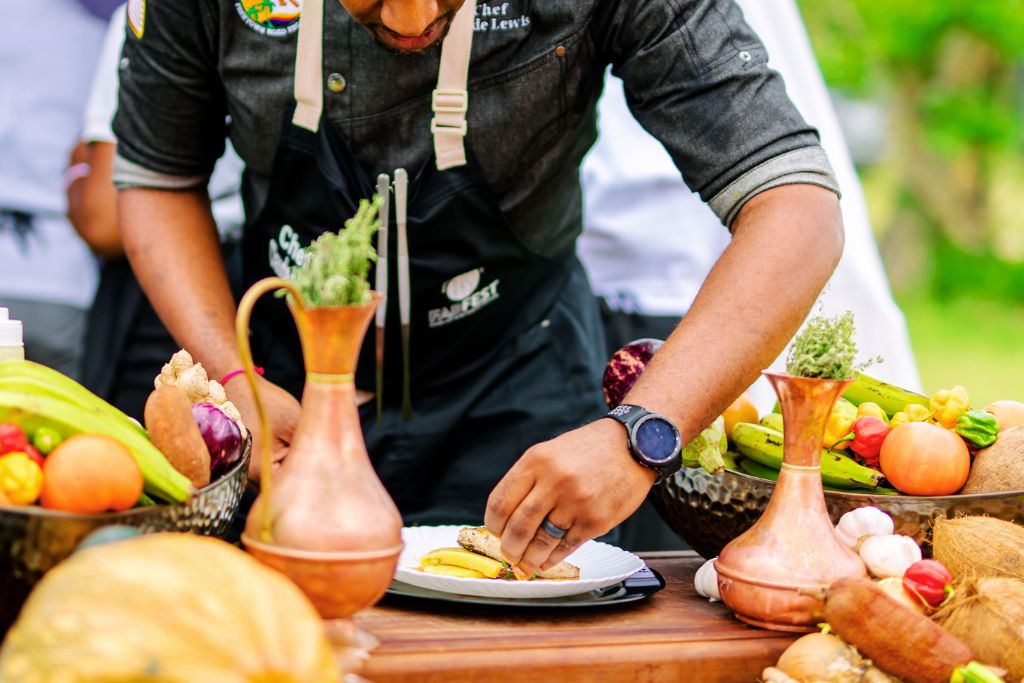
Food and restaurants take center stage in May, when the islands celebrate their annual Culinary Month. The festivities include an island-wide Restaurant Week (actually two weeks) with prix-fixe menus, the immersive Eat Like a Local cookshop trail, the buzzy FAB (Food, Art & Beverage) Fest, and the region’s leading hospitality symposium, the Caribbean Food Forum. The all-Caribbean-heritage lineup of acclaimed chefs from the U.S., the UK, and Canada includes Chopped champion Claude Lewis, as well as James Beard Award winner Nina Compton, Top Chef winner Tristen Epps, New York Times three-star chef Paul Carmichael, TV personality Andi Oliver, and a deep bench of Caribbean culinary talent.
Lewis, who is also leading activities for the festivities, says, “What makes Culinary Month different is the fact that it’s not just a one-off food festival. It’s an entire month of experiences built with intention — bringing together local talent and international chefs, creating space for real industry conversations, and positioning our food as part of our cultural identity. It’s immersive, layered, and strategic in a way that most traditional Caribbean food festivals simply aren’t.”
Beyond the Table
Culinary Month isn’t the only special event that justifies a trip to Antigua and Barbuda in 2026. This year will also see the debut of the Antigua Racing Cup in April, reinforcing the islands’ status as the Caribbean’s sailing capital; the 10th anniversary of Run in Paradise in May; and immersive cultural moments like the summertime Carnival and November Art Week.
New and newly refurbished hotels, upgraded wellness and adventure offerings, and infrastructure enhancements round out the destination’s appeal. In 2026, more than ever, visitors might come to Antigua and Barbuda for the beaches, but they’ll find themselves captivated by the island’s culture and cuisine — and hungry to come back again for more.
Featured image courtesy of Antigua and Barbuda Tourism Authority. In partnership with Antigua and Barbuda Tourism.