Recently, during Miami Art Basel week, luxury watch brand Hublot unveiled a special artistically inspired limited-edition collection. While that collection is important, and the watches are captivating, what Julien Tornare, CEO of the brand, said as he introduced the series was far more striking.
“We sell probably the most un-useful things in the world. We don’t need watches today. We buy them because we love them. For watch lovers, the watch is an emotional connection that tells a story, marks a special moment in time, makes a statement of individuality, it gives us a community,” said Tornare.
Of course, the discussion went further, but his point was clear: in today’s digital world, where the time flashes on every phone, computer and car dashboard, nobody needs a watch. And yet, the global watch market is valued at roughly $127 billion, with projections nearing $170 billion in the next five years (according to Global market snapshot). Add to that the nearly $25 billion pre-owned sector of the business and it becomes evident that watches remain relevant in ways that transcend utility.
So, even in a world where time is everywhere, watches remain the coveted “it” luxury item — whether new or pre-owned. And there are a variety of reasons for the watch’s voluminous resurgence in the digital era, ranging from their investment and heirloom appeal to their roles as lifestyle indicators, artistic expressions and personal statements.
Investments and Heirloom Pieces
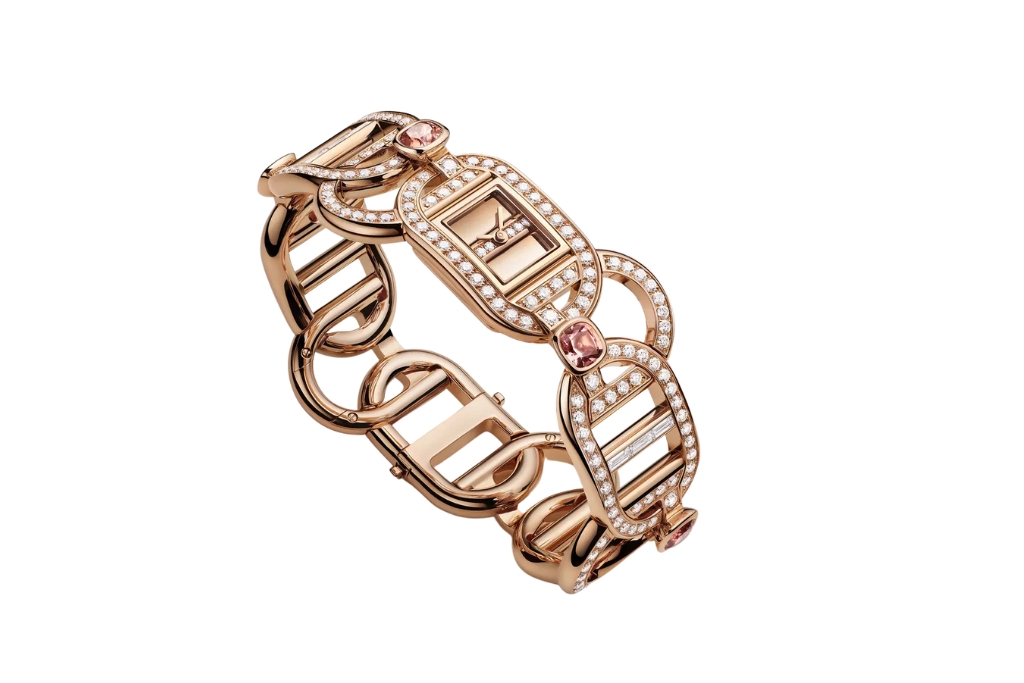
Years ago, watch industry experts advised collectors against buying a watch purely for investment purposes. The buzz words were always (and still are to some degree) “Buy what you like.” But as the global rise in watch collection forges ahead, today’s avid enthusiasts increasingly plot and plan their next purchase with intention. For them it is about buying with both passion and prudence – not to flip a timepiece, but to own a modern heirloom.
Many collectors scour the auction houses to find timepieces with an investment-worthy provenance while others avidly await new releases from some of the finest watch brands in the world. The wealthiest collectors even special order a timepiece that can take years to bring to fruition.
According to Geoff Hess, Global Head of Watches for Sotheby’s auction house, “It’s a struggle for collectors to find a proper balance between passion and investment. Sure, it’s important to buy what you love, but as watches get more and more expensive, it’s also reasonable to ask the question, ‘Hey, is this a safe place to put my money?’.
Hess, who has been a watch collector for 35 years and is the founder of a global bi-annual watch-collector meet-up event called Rolliefest, says people buy watches because they are emotionally alluring and fun, but when it gets serious in terms of prices and numbers of watches owned, the notion of investment is part of the equation that they just can’t ignore.
A quick look at Sotheby’s recent Spectacular White Glove Sale of Important Watches, for instance, underscores that point. The auction achieved $42.8 million in sales, with eight lots selling for more than $1 million each.
Another important reason people buy watches is their value as heirloom objects – even if the watch isn’t at the highest end of the investment scale. Many people choose to mark an occasion with a watch, whether that occasion is a promotion, a wedding, the birth of a child, or a more personal milestone.
“A mechanical watch is not designed to be obsolete, it is designed to last, to be something that you can hand down to someone you love,” said Kathleen McGivney, watch collector and co-founder of the global collector group known as Red Bar. “I know many people who have bought a specific watch that is earmarked for their child. They wear it to the birth and later they can tell the story to their child and show them pictures of themselves holding the baby with the watch on. The value of the watch isn’t important; it is the moment, the emotion that they are capturing.”
Statement Makers
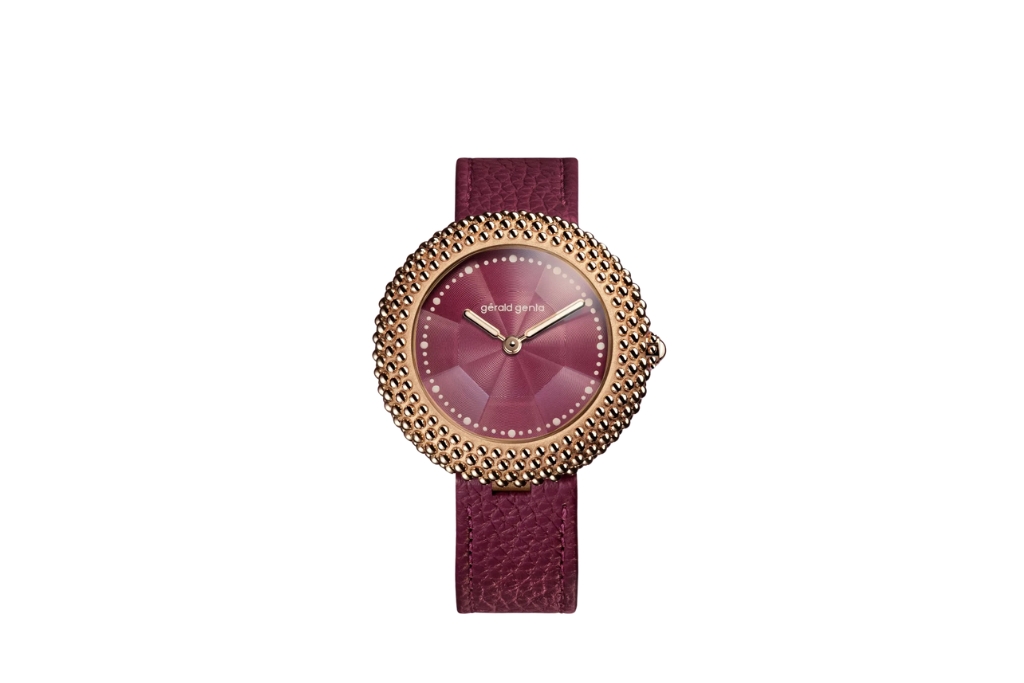
Watches have long served as subtle, yet unmistakable, statements of individuality. Sitting on the wrist for all to see — they project personal style and attitude. You can’t do that with a phone, or even with a car that can’t go into board meetings. But a watch – whether it costs a few thousand dollars or a few hundred thousand dollars – is an individual’s personal passport, a quiet declaration of who you are and what you value.
“A watch lets you speak without saying a word,” said Hublot’s Tornare.
Francois-Xavier Hotier, President of Ulysse Nardin North America, concurs. “Today, watches come in many forms—from fashion-forward pieces by luxury brands to everyday Swiss-made models, from smartwatches driven by the tech industry to intricate high-complication horology. Regardless of style or purpose, watches remain more than just tools for telling time; they reflect identity and personal expression for both men and women.”
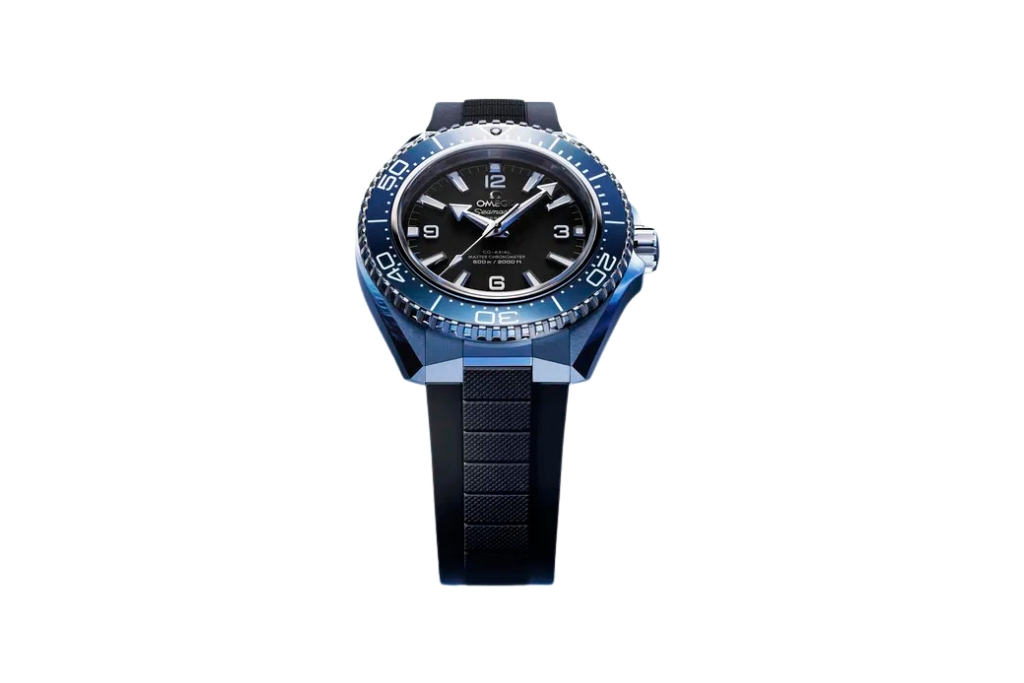
Ulysse Nardin, for instance, is a pioneer in high technology – investing significant research and development into new materials for watch cases, bracelets and movement parts. Wearing one signals an appreciation for cutting-edge innovation. Of course, wearing one of the so-called “Holy Trinity” brands (Patek Philippe, Audemars Piguet or Vacheron Constantin) conveys a reverence for tradition and maybe even cultural awareness. Opting for a sports watch like an IWC Big Pilot’s watch or a Rolex Submariner indicates a love of the outdoors and adventure.
Similarly, investing in a fine timepiece that is meticulously hand crafted or otherwise artfully endowed, says a great deal about a person’s appreciation of the arts and of the human touch behind these horological objects.
In many ways, haute horology watches are the culmination of generations of expertise – watchmakers, artisans, engravers, gem-setters, enamellers and countless other specialists whose mastery is woven into every component. They embody centuries-old traditions passed down from master to apprentice, carrying with them an authenticity and heritage appeal that can’t be replicated.
Some people are drawn to watches with artistic dials – miniature hand-painted scenes, grand feu and other enamel works of art, marquetry motifs or even sculptural elements. Others are attracted to pieces that showcase more technologically advanced artistry, such as skeletonized movements visible through sapphire crystals and cases, or chiming watches such as minute repeaters and sonneries that offer majestic audible beauty. The examples are endless, but the takeaway is simple: a watch is one of the most personal and revealing statements an individual can make.
Two other elements inherent in watch collecting revolve around a sense of community and of peacefulness. With watch meetups around the world, brand-hosted dinners and open-to-the-public watch exhibitions, the culture has become extremely community driven. It offers enthusiasts a sense of belonging – a place where they can share stories of watch acquisitions, the hunt for the perfect piece, the joy of discovery and more.
Equally compelling is the sense of feeling grounded that a watch, especially a mechanical watch, can provide. “I wear a mechanical watch to help me stay grounded,” said Steven Holtzman, Vice Chairman of CD Peacock jewelers. “Winding it each day is a small ritual that helps me slow down and be more present.”
McGivney agrees, “In the age of a smart watch, we are super connected and don’t really get a moment’s peace. But when you put on a mechanical watch, you can be unavailable; it is almost meditative in our current state of constant connectedness.”
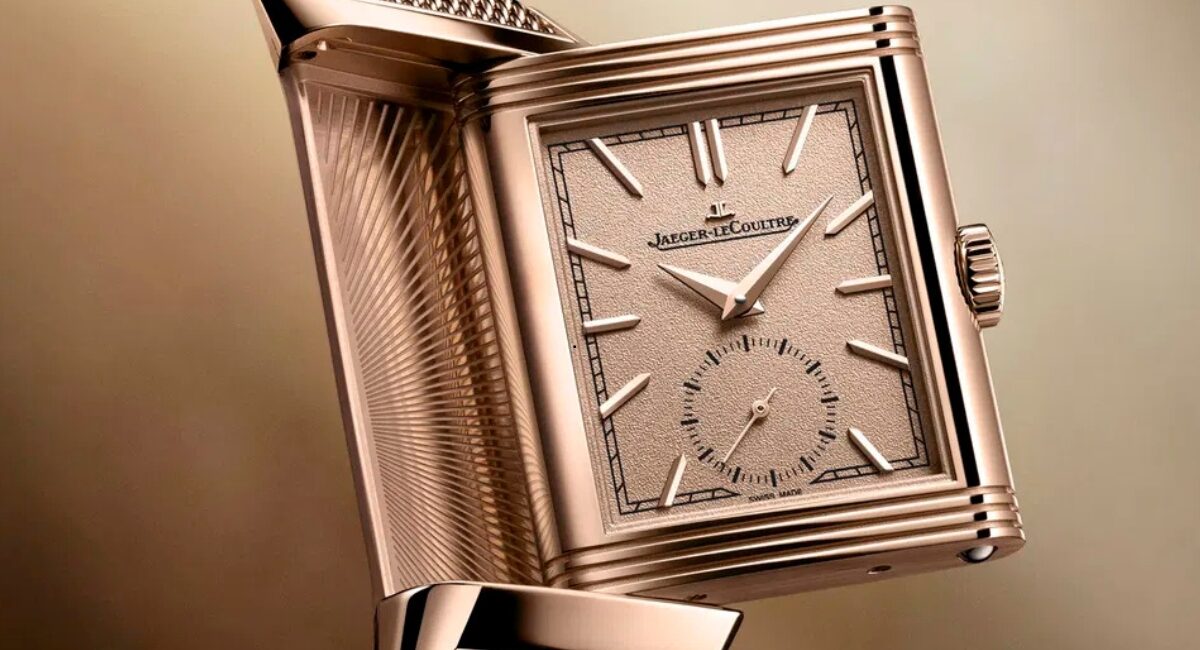
Feature image: Legendary in its status, the Jaeger-LeCoultre Reverso watch, first unveiled to the world in 1931, features a case that swivels sideways and reverses to offer two sides. This Reverso Tribute Monoface Small Seconds in rose gold boasts a manual wind movement and a stunning Milanese mesh bracelet. Approximately $44,400.