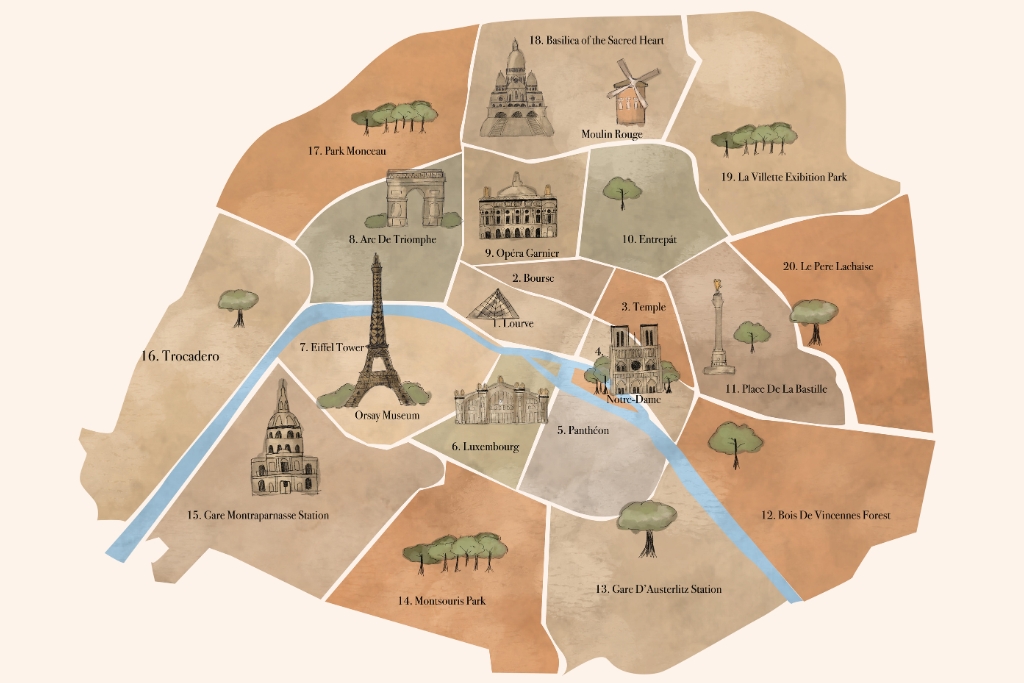
Map of Paris; Courtesy of Skyler Boschetto
Paris has no shortage of neighborhood guides, most of which promise the same things: charming streets, great cafés, and something allegedly “hidden” that everyone already knows about. This one is different. Instead of pretending Paris can be conquered in a weekend (it absolutely cannot) — or that every arrondissement deserves equal attention (they do not) — we’re focusing on how people actually experience the city: where to stay, where to eat, where to wander aimlessly, and where you don’t need to linger unless you enjoy standing in line for an Instagram shot. We also have a curated guide to the best vintage stores.
Paris neighborhoods matter because they determine how your trip actually functions. Some areas make sightseeing efficient, with walkable landmarks and reliable transport; others are better for dining, shopping, or late nights, but require more planning. Certain neighborhoods are hotel dense and convenient but busy; others feel quieter and more residential, with fewer attractions but stronger local food and café scenes. Choosing the right area affects everything from how much time you spend commuting to whether dinner requires a reservation three weeks in advance. This guide breaks down Paris by neighborhood with practical recommendations based on how travelers actually use the city — so you can book the right hotel, plan smarter days, and avoid wasting time in the wrong part of town.
Here you will travel through Paris’ top 10 neighborhoods with recommendations, honest takes, and zero romanticizing for romance’s sake. Think of this guide as a shortcut for the city — curated, opinionated, and designed to help you spend less time researching and more time doing what Paris does best: making everything else feel slightly inferior.
Le Marais (3rd and 4th Arrondissement)
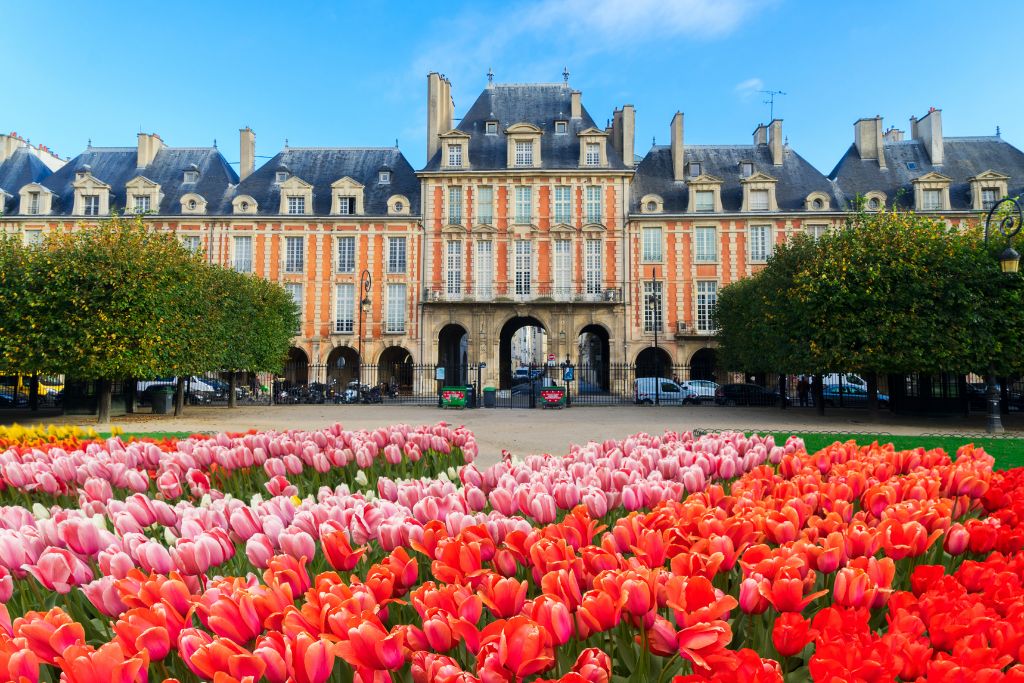
Le Marais spans the 3rd and 4th arrondissements and is one of Paris’s oldest districts, originally developed in the medieval period and later home to aristocratic mansions that now house museums, galleries, and cultural institutions. Today, it’s a commercial and social hub where Parisians come to shop, eat, and meet friends. Major landmarks like Place des Vosges, the Musée Picasso, and the Musée Carnavalet anchor the neighborhood, but daily life revolves around boutiques, cafés, and bars packed into narrow streets. It’s especially popular with fashion, media, and creative crowds, which explains the density of concept stores, independent designers, and late-opening restaurants. For visitors, Le Marais is practical: centrally located, walkable, and well connected by metro, with enough activity to fill days without feeling like you’re only seeing tourist Paris. It’s best suited for travelers who want to mix sightseeing with shopping and nightlife in one compact area.
Places to Stay
- Hôtel de JoBo — A bold boutique hotel with strong design identity and a location that puts you in the middle of Marais life.
- Sinner Paris — A modern luxury hotel with a nightlife-forward energy that attracts a younger, fashion-driven crowd.
- Pavillon de la Reine — A discreet, long-established luxury property overlooking Place des Vosges, favored for its privacy and polish.
Places to Eat & Drink
- Les Enfants du Marché — A casual, high-quality counter restaurant inside the historic Marché des Enfants Rouges, popular with locals and chefs alike.
- Chez Janou — A busy Provençal bistro known for its terrace scene and reliably lively atmosphere.
- Bar Nouveau — A contemporary cocktail bar drawing a fashion and design crowd late into the evening.
- Derrière — A relaxed yet stylish restaurant/bar inside a hidden courtyard; dinner can bleed into drinks without moving.
Places to Shop
- Merci — A long-standing concept store offering clothing, home goods, and gifts with broad Parisian appeal.
- Marin Montagut — A go-to for hand-painted ceramics and gifts that feel personal and distinctly Parisian.
- Fleux’ — A multi-floor design shop where locals buy home accessories, books, and small gifts.
- Thanx God I’m a V.I.P. — Curated second-hand and designer resale where locals routinely find standout pieces.
Saint-Germain-des-Prés (6th Arrondissement)
Saint-Germain-des-Prés is the historic heart of the Left Bank and one of Paris’s most enduringly desirable neighborhoods. Long associated with writers, intellectuals, and postwar café culture, it remains a polished, lived-in area where Parisians come for shopping, dining, and daytime errands rather than nightlife theatrics. Landmarks like the Abbey of Saint-Germain-des-Prés, Café de Flore, and Les Deux Magots still anchor the neighborhood, but daily life plays out in bookshops, boutiques, and restaurants lining Boulevard Saint-Germain and the surrounding streets. It’s a compact, walkable area close to the Seine, the Louvre, and the Luxembourg Gardens, making it especially convenient for first-time visitors. Expect higher prices, well-kept streets, and a more traditional Parisian rhythm. Saint-Germain suits travelers who want classic Paris without chaos, strong hotel options, and an easy balance of sightseeing, shopping, and dining.
Places to Stay
- Hôtel Bel Ami — A refined, modern luxury hotel favored for its location and quietly polished atmosphere.
- Mandarin Oriental Hôtel Lutetia — The Left Bank’s grand dame, offering scale, history, and full-service luxury without leaving the neighborhood.
- Hôtel La Louisiane — A cult classic with literary pedigree and pared-down style for travelers who value history over frills.
- Esprit Saint Germaine — For an intimate hotel that feels more like your own spacious with-a-terrace-view Parisian apartment.
Places to Eat & Drink
- Semilla — A chef-driven restaurant known for precise cooking and a loyal local following.
- Fish La Boissonnerie — A long-standing favorite for simple, well-executed seafood in a relaxed setting.
- Prescription Cocktail Club — A discreet cocktail bar upstairs from an unmarked entrance, popular for late-night drinks.
- L’Alcazar: The legendary Saint-Germain-des-Prés cabaret is back with live performances, French classics, and DJs keeping things going until 2 AM.
Places to Shop
- Lemaire — A minimalist French fashion house with a strong local clientele (nearby, often paired with Saint-Germain shopping).
- La Hune — An iconic bookshop and cultural stop still used by locals.
The 1st Arrondissement (Louvre / Palais-Royal)
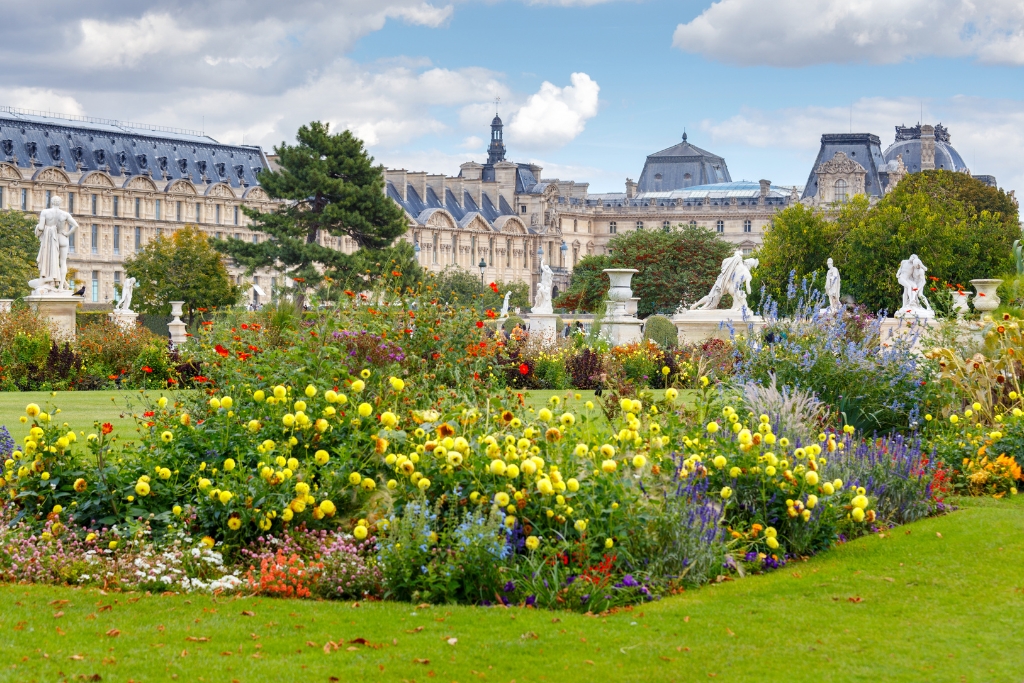
The 1st arrondissement is Paris at its most central and functional. Anchored by the Louvre, the Tuileries Garden, and Palais-Royal, this is where major sights, shopping, and transit converge. Parisians don’t live here in large numbers, but they pass through constantly — for work, shopping, meetings, and museums — which gives the area a steady, businesslike rhythm. It’s one of the easiest neighborhoods for first-time visitors, with walkable access to the Seine, the Right Bank shopping corridor, and multiple metro lines. While parts of the arrondissement skew tourist heavy during the day, quieter pockets around Palais-Royal feel more contained and residential. Staying here minimizes transit time and maximizes flexibility, especially if your trip prioritizes museums, dining reservations, and easy movement across the city rather than nightlife.
Places to Stay
- Grand Hôtel du Palais Royal — A refined, contemporary luxury hotel overlooking Palais-Royal, prized for its location and calm atmosphere.
- Le Meurice — A historic grand dame offering classic Parisian luxury and full service in the heart of the city.
- Hôtel Regina Louvre — A traditional luxury hotel with museum views and a loyal, repeat clientele.
Places to Eat & Drink
- Juveniles — A longtime local favorite for unfussy French food and a strong wine list, popular with media and publishing crowds.
- Le Fumoir — A classic bar-restaurant near the Louvre that works well for late lunches or evening drinks.
Places to Shop
- Palais Royal Boutiques — A cluster of discreet, high-end shops and galleries set beneath the arcades of Palais-Royal.
- Officine Universelle Buly — A historic apothecary-style brand beloved by Parisians for gifts and personal care.
- Astier de Villatte — A cult French ceramics and fragrance brand with strong local credibility.
The 7th Arrondissement (Eiffel Tower)
The 7th arrondissement is defined by landmarks, government buildings, and some of Paris’s most orderly residential streets. Home to the Eiffel Tower, Musée d’Orsay, Les Invalides, and several embassies, it’s a neighborhood Parisians associate with institutions rather than nightlife. Daily life here is quieter and more formal, with wide boulevards, established bakeries, and a noticeable absence of late-night energy. Visitors tend to choose the 7th for its proximity to major sights, walkability along the Seine, and calm evenings after busy sightseeing days. It’s especially appealing to travelers who value space, classic architecture, and hotel-driven dining over neighborhood buzz. The tradeoff is fewer bars and boutiques compared to trendier districts, but for museum-heavy itineraries and a polished, residential feel, the 7th is one of the most efficient places to stay in Paris.
Places to Stay
- Le Cinq Codet — A contemporary luxury hotel with spacious rooms and a discreet, design-forward approach to the neighborhood.
- J.K. Place Paris — An intimate, high-touch luxury hotel favored for privacy, service, and a refined Italian sensibility.
- Hôtel Pont Royal — A long-established Left Bank hotel that balances classic style with reliable comfort and location.
Places to Eat & Drink
- David Toutain — A Michelin-starred restaurant known for precise, modern French cuisine and a serious dining crowd.
- Le Florimond — A neighborhood bistro popular with locals for seasonal menus and an approachable atmosphere.
- Bar du Central — A low-key wine bar that feels firmly local and refreshingly untouristy for the area.
- Linette — A discreet, polished neighborhood restaurant near the Eiffel Tower serving seasonal French cooking in a calm, unfussy room that locals rely on for a proper meal away from tourist traffic.
Places to Shop
- Le Bon Marché Rive Gauche — Say what you will about this well-known store, but it’s an incredible place to see. The Left Bank’s flagship department store, frequented by Parisians for fashion, food, and home goods.
- Maison Francis Kurkdjian — A cult French fragrance house with strong local credibility and gift appeal.
- Debauve & Gallais — A historic chocolate maker still favored for refined, traditional gifts.
Montmartre (18th Arrondissement)
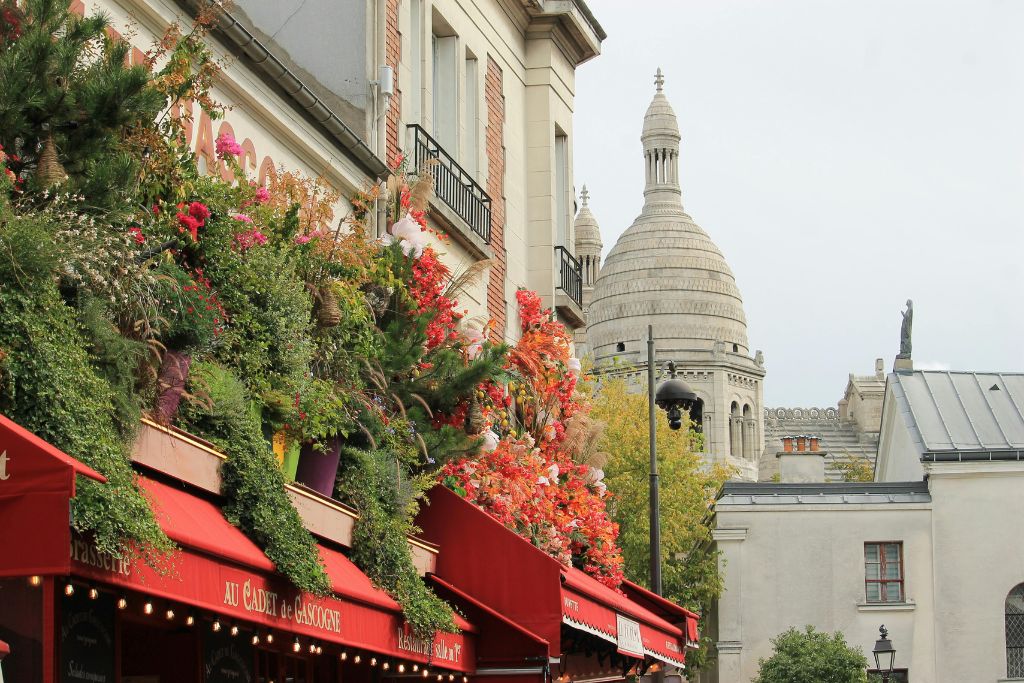
Montmartre is defined by its hilltop setting, preserved village streets, and concentration of historic sites tied to Paris’s artistic past. Anchored by Sacré-Cœur, Place du Tertre, and a network of staircases and narrow lanes, it remains one of the city’s most visited districts, particularly during the day. Beyond the tourist corridors, the neighborhood functions as a residential area with small grocery stores, bakeries, and cafés that cater to locals. Hotels here tend to offer better value for space and views compared to central arrondissements, though transit time to major museums is longer. Travelers choose Montmartre for its distinct identity, elevated perspectives, and slower evenings after sightseeing elsewhere. The tradeoff is heavier foot traffic near major landmarks and less late-night dining, but for visitors prioritizing atmosphere, history, and a clear sense of place, Montmartre remains a practical and memorable base.
Places to Stay
- Terrass Hotel — Montmartre’s most established upscale hotel, known for strong service, generous rooms by Paris standards, and a rooftop that consistently draws a polished international crowd.
- Hôtel Particulier Montmartre — A gated, suite-only hotel hidden above Avenue Junot, offering privacy, garden views, and a clientele that skews fashion, art, and media.
Places to Eat & Drink
- Le Très Particulier — A discreet cocktail bar set inside Hôtel Particulier’s private garden, favored by designers, editors, and residents who know to book ahead.
- La Boîte aux Lettres — A small, reservation-only bistro with a loyal local following and an understated, insider reputation.
- Môm — A refined, low-key dining room serving contemporary French cooking, popular with neighborhood regulars and repeat visitors.
Places to Shop
- Chinemachine — One of the city’s better vintage stops for edited, wearable finds that skew cool rather than costume.
- Antoine et Lili – Montmartre — A bright, fashion-and-lifestyle concept shop that’s playful, giftable, and very Left Bank-meets-creative-class.
- La Libreria — An independent, design-minded bookstore that feels like a local secret and doubles as a smart souvenir source.
- A.P.C. – Rue des Abbesses — French minimalism in its natural habitat — easy, elevated staples for travelers who pack light and shop better.
The Latin Quarter (5th Arrondissement)
The Latin Quarter is shaped by universities, bookshops, and centuries of academic life centered around the Sorbonne. Anchored by the Panthéon, Jardin des Plantes, and the Left Bank stretch along the Seine, it’s a neighborhood built around learning, walking, and daytime activity. Streets are dense and lively, with student cafés, historic cinemas, and smaller museums woven into daily life. Hotels here skew boutique and mid-sized rather than grand, appealing to travelers who want proximity to landmarks without Right Bank pricing. Visitors choose the Latin Quarter for its central location, access to multiple arrondissements on foot, and steady energy from morning through early evening. The tradeoff is fewer luxury retail options and a younger crowd in parts of the neighborhood, but for culture-heavy itineraries and efficient sightseeing, it remains one of Paris’s most practical places to stay.
Places to Stay
- Hotel Parc Saint-Séverin — A well-located boutique hotel offering comfortable rooms steps from Notre-Dame and the Seine.
- Hôtel Les Dames du Panthéon — A refined option overlooking the Panthéon, known for quiet rooms and strong service.
Places to Eat & Drink
- La Table de Colette — A Michelin-starred restaurant focused on seasonal French cuisine and thoughtful sourcing.
- Le Procope — Paris’s oldest café, still drawing diners for its history and classic menu.
- Shakespeare and Company Café — A popular daytime stop for coffee and light fare near the Seine.
Places to Shop
- Shakespeare and Company — The neighborhood’s most famous bookstore, known for English-language titles and literary history.
- Paradis Latin Boutique — A curated stop for locally made gifts and Paris-themed items without the mass-market feel.
Canal Saint-Martin (10th Arrondissement)
Canal Saint-Martin is defined by its central waterway, iron footbridges, and compact streets lined with cafés, bars, and independent shops. Long associated with Paris’s creative class, the neighborhood has evolved into one of the city’s most active dining and nightlife corridors, especially in the evenings. The canal itself anchors daily life, drawing locals for walks, apéritifs, and casual meals that stretch late into the night. Hotels here are primarily boutique and design-driven, appealing to travelers who prioritize neighborhood energy over proximity to major monuments. Visitors choose Canal Saint-Martin for its dining density, nightlife, and easy metro connections across the city. The tradeoff is fewer traditional landmarks and limited green space, but for repeat visitors and travelers seeking a local, contemporary Paris experience, it’s one of the most dynamic areas to stay.
Places to Stay
- Hôtel Grand Amour — A fashion-forward hotel with strong nightlife credentials and a clientele rooted in music, art, and media.
- Le Citizen Hotel — A canal-facing boutique option offering minimalist rooms and a quieter stay within the action.
Places to Eat & Drink
- Chez Prune — A long-standing canal institution known for all-day dining and consistently lively tables.
- Le Verre Volé — A pioneer of Paris’s natural wine scene with a loyal local following.
- Hotel du Nord — A classic neighborhood bistro offering reliable French fare and canal-side seating.
Places to Shop
- Centre Commercial — A concept boutique showcasing ethical French and European fashion brands with strong design credentials.
- Antoine et Lili – Canal Saint-Martin — A colorful lifestyle and gift shop known for playful fashion and accessories.
- Oh My Cream! — A go-to for curated French skincare and beauty brands favored by locals.
- Maison Stand Up — A destination for graphic art, prints, and design-forward souvenirs that feel distinctly Parisian.
The 9th Arrondissement (SoPi / Opéra)
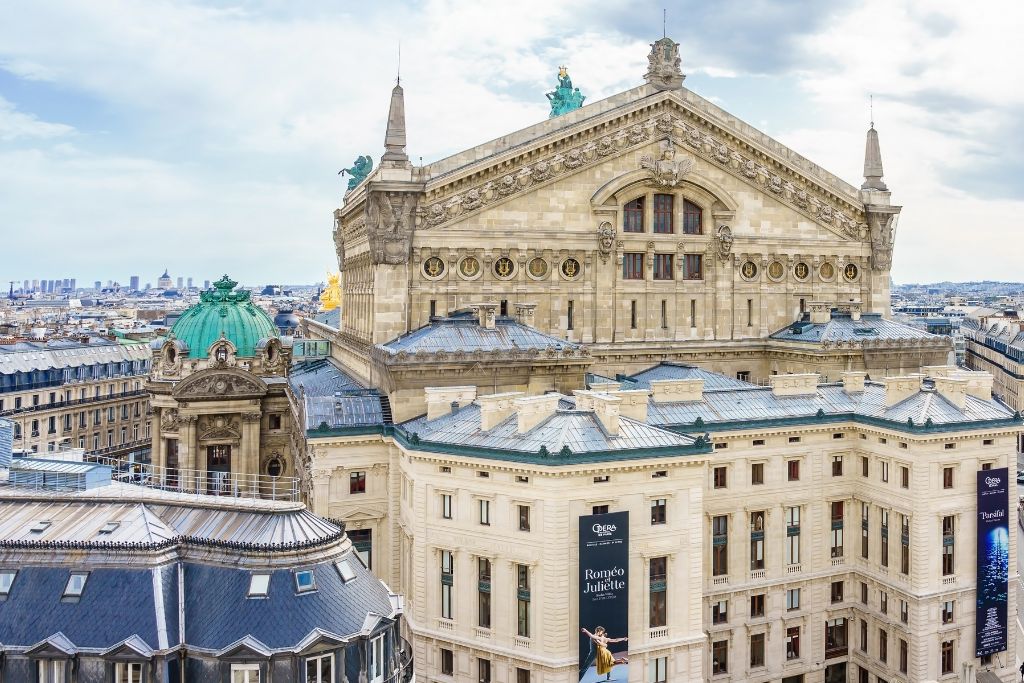
The 9th arrondissement sits between the Grands Boulevards and South Pigalle, making it one of Paris’s most convenient and commercially active neighborhoods. Defined by historic theaters, Haussmann-era buildings, and a dense mix of hotels, restaurants, and shops, it has long been associated with entertainment and retail rather than monuments. Landmarks like the Opéra Garnier, Folies Bergère, and several covered passages anchor the area, while streets closer to SoPi skew younger and more nightlife-driven. Travelers choose the 9th for its central location, strong hotel value, and walkability to multiple arrondissements. Dining options range from casual bistros to chef-driven counters, and evenings are lively without feeling club-centric. The tradeoff is limited green space and heavier foot traffic, but for visitors prioritizing efficiency, dining access, and a lived-in Paris feel, the 9th is a highly functional base.
Places to Stay
- Hôtel Amour — A fashion-industry favorite with strong nightlife energy and an unmistakably insider clientele.
- Maison Souquet — A discreet, Belle Époque salon-style hotel with richly appointed rooms, an acclaimed spa, and a private-club sensibility that appeals to creative and fashion crowds.
- La Fantaisie — A smaller, design-centric hotel with artistic interiors and an intimate personality that feels personal rather than corporate.
- Hôtel Les Matins de Paris & Spa – Paris 9e — A spa-focused boutique hotel with polished service and a wellness emphasis that appeals to travelers who want a stylish, calm base.
- Grand Pigalle Experimental — A polished boutique hotel known for refined rooms, a respected cocktail bar, and a local-heavy crowd.
- InterContinental Paris Le Grand — Request La Parisienne Suite — a charming hideaway tucked into the building’s former attic storage space beneath the eaves. An original structural beam gives the room a loft-like feel, while three petite balconies frame unexpected views of the Tour Eiffel. Best of all: the bathroom and closets are surprisingly generous, a rarity for a Parisian pied-à-terre.
Places to Eat & Drink
- Frenchie Pigalle — A compact, chef-driven restaurant delivering consistently strong modern French cooking.
- Le Pantruche — A reliable neighborhood bistro popular with locals for classic dishes and relaxed service.
Places to Shop
- Chaptal Vintage — A curated vintage shop known for wearable finds that appeal to fashion insiders.
- Maison Sarah Lavoine — A destination for chic home goods, accessories, and design-forward souvenirs.
- Sézane – Appartement — It’s a must stop when in Paris. The brand’s apartment-style boutique offering French wardrobe staples with strong visitor appeal.
The 8th Arrondissement (Champs-Élysées / Triangle d’Or)
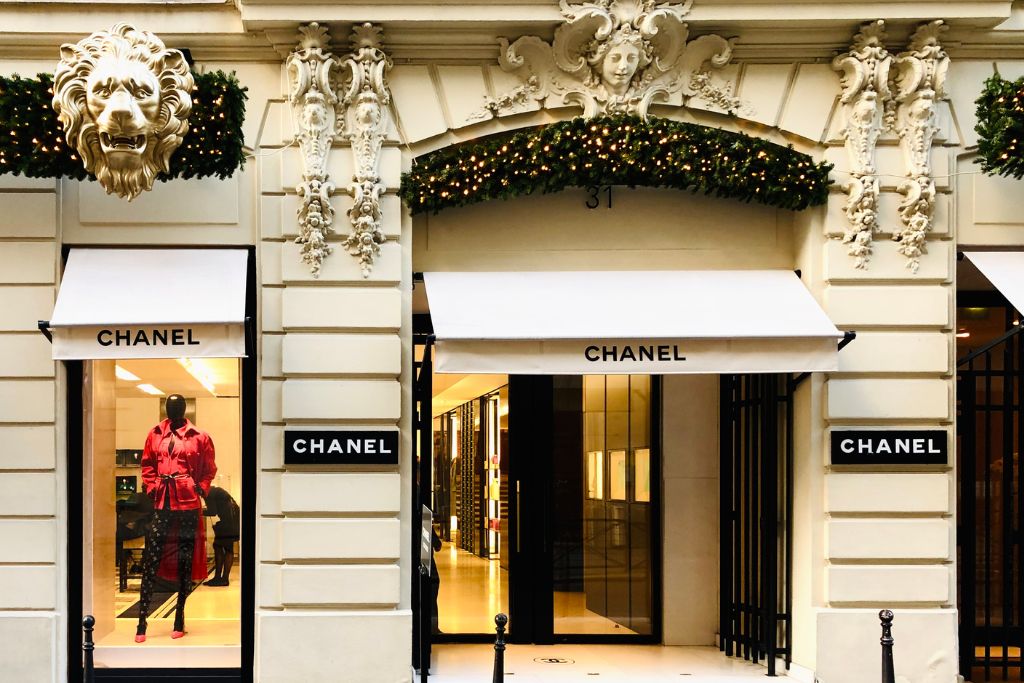
The 8th arrondissement is defined by luxury retail, flagship hotels, and some of Paris’s most recognizable avenues. Anchored by the Champs-Élysées, Avenue Montaigne, and Rue du Faubourg Saint-Honoré, it’s home to global fashion houses, palace hotels, and major landmarks including the Arc de Triomphe and Place de la Concorde. This is a commercial and hospitality-driven neighborhood rather than a residential one, with wide boulevards, formal architecture, and a steady flow of international visitors. Travelers choose the 8th for proximity to shopping, high-end dining, and hotel-based experiences that minimize the need to move around the city. Evenings are quieter outside of restaurants and hotel bars, with nightlife concentrated indoors rather than on the streets. Paris’ long-running cabaret, Crazy Horse, known for its stylized nude performances, precise choreography, and fashion-world collaborations that attract an international, luxury-leaning crowd is a must do if you’ve never been. For luxury travelers prioritizing convenience, prestige, and walkable access to Paris’s most iconic brands, the 8th remains unmatched.
Places to Stay
- Hôtel Plaza Athénée — One of Paris’s most iconic palace hotels, known for couture proximity, formal service, and landmark dining.
- Le Bristol Paris — A long-standing luxury favorite offering expansive rooms, a celebrated spa, and refined, residential-style service.
- Four Seasons Hotel George V — A grand hotel with multiple Michelin-starred restaurants and one of the city’s most polished hospitality operations.
- Bvlgari Hotel Paris — On Avenue George V blending Italian design heritage with Parisian service, known for refined rooms and suites just steps from the Champs-Élysées and top fashion houses.
- Hotel Norman — A refined, design-forward luxury hotel near Avenue George V offering spacious rooms, discreet service, and a calm alternative to palace-scale properties.
- Hôtel Balzac — A classic, intimate luxury hotel just off the Champs-Élysées, favored for its quiet rooms, traditional service, and prime location.
- Rosewood Hôtel de Crillon — A restored palace hotel combining historic grandeur with contemporary luxury, destination dining, and one of Paris’s most prestigious addresses
Places to Eat & Drink
- Le Clarence — A Michelin-starred dining room set in a private mansion, favored by executives and in-the-know diners.
- L’Avenue — A fashion-week staple with consistent power-lunch and late-dinner appeal.
- Bar du Bristol — A polished hotel bar drawing a discreet, international crowd.
- Long Bar at Le Royal Monceau — in the Raffles Paris — delivers a chic setting for cocktails beneath Philippe Starck’s dramatic mirrored ceiling.
- Doobie’s: A Paris nightlife icon returns to the Golden Triangle with seriously good food, ’90s R&B, cocktails, and late-night energy.
Places to Shop
- Chanel – Avenue Montaigne — A flagship stop for one of France’s most influential fashion houses.
- Dior – Avenue Montaigne — A landmark boutique offering fashion, accessories, and exhibition-style interiors.
- Hermès – Faubourg Saint-Honoré — The brand’s historic flagship, combining shopping with heritage appeal.
- Le Village Royal – Cité Berryer — A beautifully curated shopping quarter tucked between Rue Royale and Rue Boissy d’Anglas with independent boutiques and refined fashion labels.
- Valois Vintage Paris — A high-quality consignment shop in a refined pocket of the Golden Triangle, beloved by locals for curated vintage designer pieces.
Other Neighborhoods to Note:
The 16th Arrondissement: Anchored by the Trocadéro, Bois de Boulogne, and several major museums including the Palais de Tokyo and Fondation Louis Vuitton, it’s one of the city’s most traditionally affluent districts. Stay at the Saint James Paris — a château-style hotel offering generous rooms, a respected spa, and a private, residential feel uncommon in central Paris. Grab a bite at Substance — A chef-driven tasting-counter restaurant drawing serious diners from across the city.
The 11th arrondissement is defined by chef-driven dining, great nightlife, independent boutiques, and a dense network of residential streets east of the Marais. Dine at Septime — a globally recognized Michelin-starred restaurant known for modern French cuisine and hard-to-get reservations. Shop at Merci — a flagship concept store blending fashion, home goods, books, and cafés with strong international appeal.
Download our pins to easily save each location:
Feature image courtesy of Canva Pro. Travel Curator may earn a commission from product or booking links on this page.