Relais & Châteaux is expanding its influence beyond the plate, partnering with UNESCO to drive sustainability, protect indigenous ingredients, and shape the future of gastronomy.
Foodie fans of Relais & Châteaux’s gastronomic-centered properties may be surprised to learn the hospitality portfolio is going beyond merely tantalizing their taste buds. And protecting the world’s indigenous species and lost ingredients. The big-picture sustainability mission comes through its partnership with UNESCO, established in 2024.
“We are doing more than cuisine, we are helping to protect Mother Nature,” says Laurent Gardinier, president of Relais & Châteaux.
The mission-focused joint venture kicked off in February 2026 with four pilot programs in partnership with prominent chefs at Relais & Châteaux properties in Japan, France, South Africa, and the U.S.
The projects include promoting sustainable fishing practices with Chef Shinobu Namae of L’Effervescence in Tokyo; preserving culinary know-how with Chef Anne-Sophie Pic of Maison Pic in Valence, France; indigenous species stewardship in Cape Town with Chef Peter Tempelhoff of FYN Restaurant; and community-centered food education through a project with Chef Daniel Humm of Eleven Madison Park.
“These four projects mark the first tangible expression of our partnership with UNESCO,” says Gardinier. “By honoring indigenous and forgotten ingredients, preserving cultural heritage and savoir-faire, promoting food education, and advocating sustainable sourcing, these highly recognized Relais & Châteaux chefs embody our commitments for a sustainability in harmony with all life on Earth.”
Mauro Colagreco, vice president of chefs at Relais & Châteaux and chef-owner of the restaurant Mirazur in Menton, France, got the ball rolling. Colagreco was appointed UNESCO goodwill ambassador for biodiversity in 2022 and has made environmental awareness a core tenet of his work. The venture marries his UNESCO role with his network of Relais & Châteaux chefs from over 800 restaurants across 580 properties in 65 countries to shape the future of gastronomy and reinforce its vital connection to nature.
“I believe cuisine has the power to transform the world,” says Colagreco. “It is not just about creating flavors, but about living together — sharing time, cooking side by side, and creating meaningful moments. It is about shaping memories, passing down recipes, as well as knowledge and savoir-faire from one generation to the next. Above all, it is about reimagining food systems to nurture life and harmony.”
Promoting Sustainable Fishing at L’Effervescence
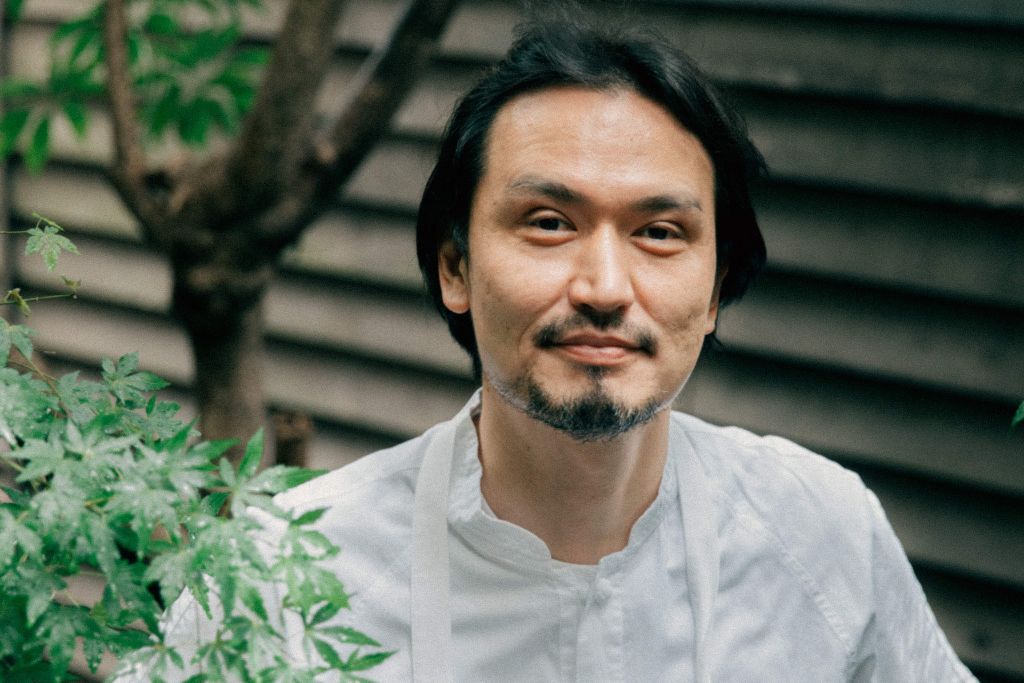
In the heart of bustling Tokyo, Chef Shinobu Namae, founder of L’Effervescence, fuses French and Japanese culinary traditions in a contemporary space dramatically lit to spotlight his unique gastronomic creations. Selecting each ingredient for optimal freshness, he combines such elements as sea urchin, truffles, and porcini mushrooms to create what he simply calls La Mer.
His UNESCO initiative focuses on sustainable fishing practices working with UNESCO World Heritage site managers in Amami-Oshima Island and collaborating with local fishing communities to document sustainable practices and traditional know-how. His network demonstrates how low-impact fishing methods, such as freedive spearfishing — which allows fishers to directly observe underwater ecosystems while harvesting — combined with active conservation efforts such as seaweed bed regeneration can help restore ecosystems and protect biodiversity.
Celebrating Savoir Faire at Maison Pic
As the most decorated female Michelin-starred chef in the world, Anne-Sophie Pic is guided by aromas and a culinary philosophy of Suffusion, taking inspiration from classic French cooking techniques and weaving invisible links between ingredients as aromas intertwine and combine in subtle harmony.
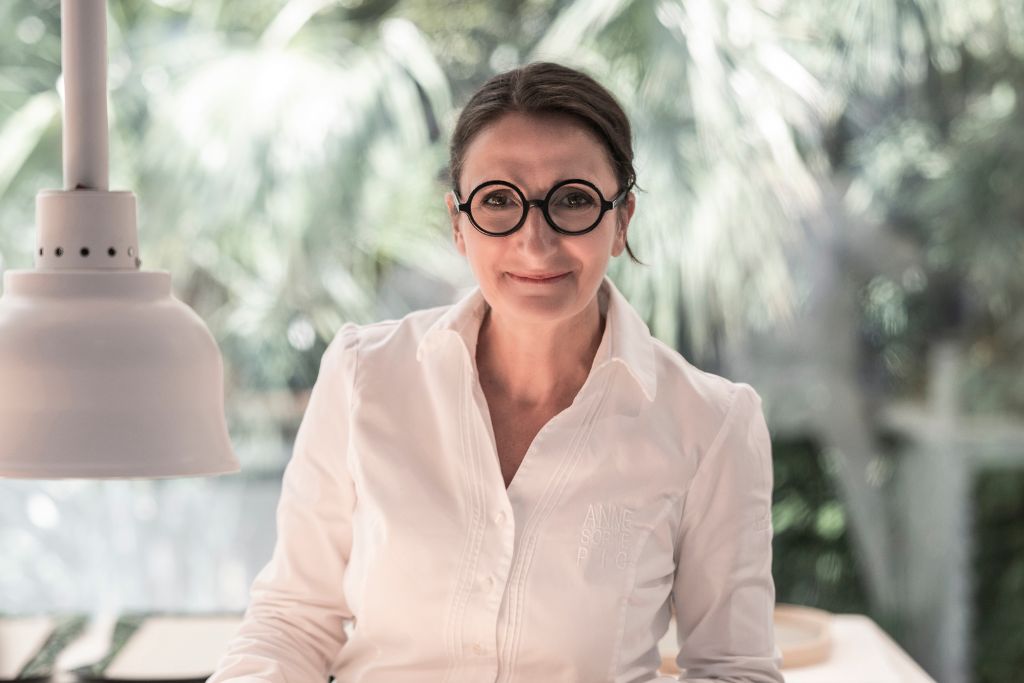
At Maison Pic, a renowned three-Michelin-starred restaurant and luxury hotel in Valence, France, she offers seven- or 10-course tasting menus celebrating complex flavors and Japanese influences in a cozy space with a garden. Pic sources most of her plant-based elements from the local terroir — the Drôme and Ardèche — known for organic agriculture and an abundance of Nyons olives, Ardèche chestnuts, Picodon cheese, and black truffles, along with the great wines of the Côtes du Rhône such as Crozes Hermitage and Saint-Joseph.
Pic will continue exploring the infinite potential of the living world, strengthening the links between agricultural biodiversity and wild biodiversity, notably through the reintroduction and promotion of ancient plant varieties.
Protecting Indigenous Species at FYN Restaurant
Occupying the top floor of a former 19th-century silk factory in Cape Town’s historic city center, FYN Restaurant’s bold cultural identity blends African exuberance with Japanese refinement. Chef/Founder Peter Tempelhoff and his team showcase kaiseki-style menus featuring seasonal, sustainably grown ingredients from the local terroir served with mountain views as a backdrop.
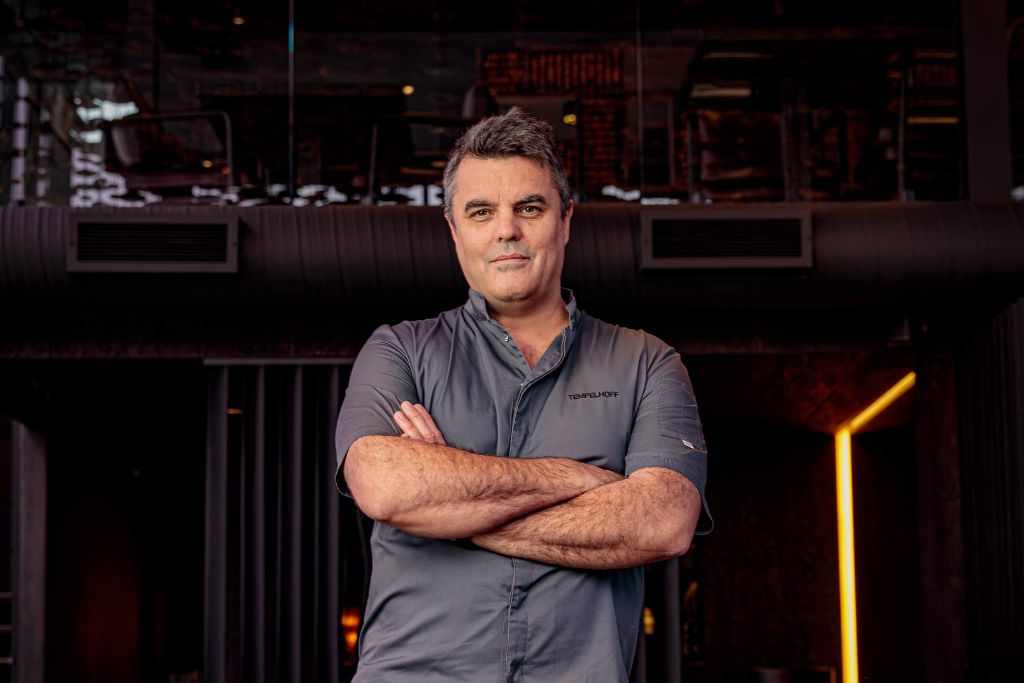
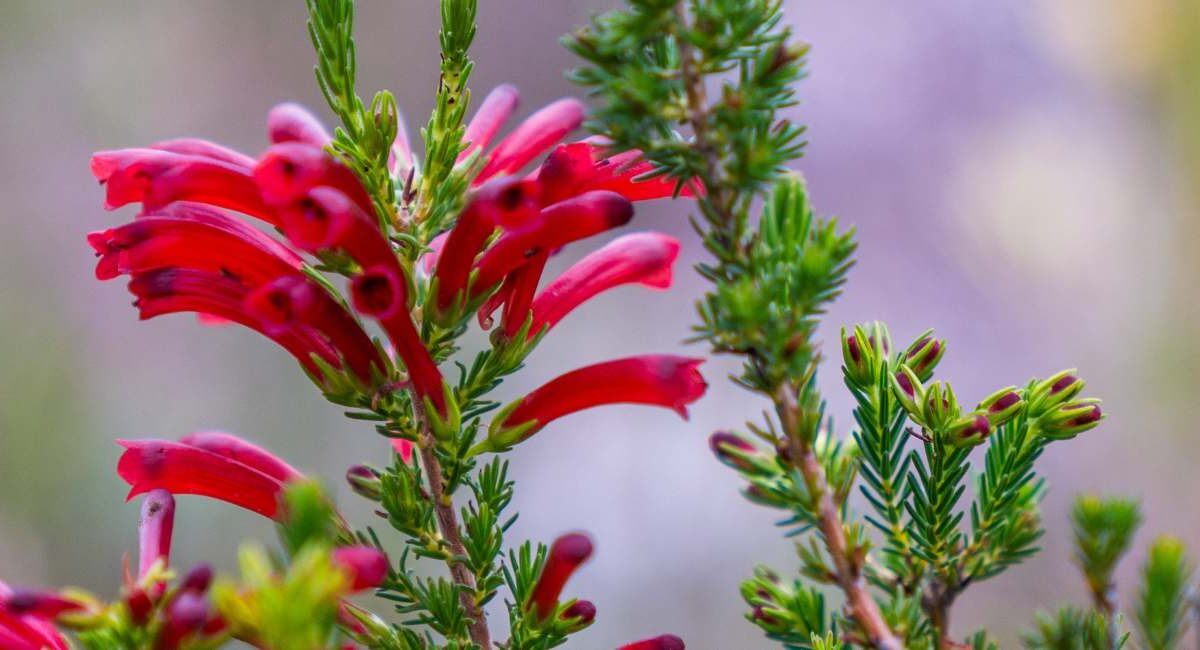
Tempelhoff’s UNESCO effort integrates ingredients directly sourced from within the Kogelberg Biosphere Reserve and Cape Floral Region Protected Areas UNESCO World Heritage Site, focusing on indigenous species, such as an ancient wild root ecosystem. Supporting biodiversity, he cultivates these species on FYN’s farms and raises awareness of their ecological importance, while discouraging illegal foraging.
Educating for the Future at Eleven Madison Park
A light-filled Art Deco-style dining room with soaring ceilings sets the tone at Manhattan’s famed Eleven Madison Park. For nearly 20 years, Chef Daniel Humm has put an artistic twist on even humble ingredients and elevated plant-based cuisine to a Michelin-star level for the first time. After meeting that challenge, last year he returned to offering seafood and meat, including his signature honey lavender duck.
As UNESCO Goodwill Ambassador for Food Education, Humm partnered with the Champlain-Adirondack Biosphere Reserve, which spans north-central New York and northwestern Vermont to advance a shared mission: promoting biodiversity, sustainable gastronomy, and food education. He will be launching a Food Futures Lab in collaboration with Paul Smith’s College and other partners, starting with an educational panel at the college involving local farmers to learn more about their agricultural practices and highlight them in his work. Additionally, students and instructors from Paul Smith’s will visit New York City for a mentorship at Eleven Madison Park and Rethink Food. A case study on the collaboration will be developed and unveiled in late 2027.
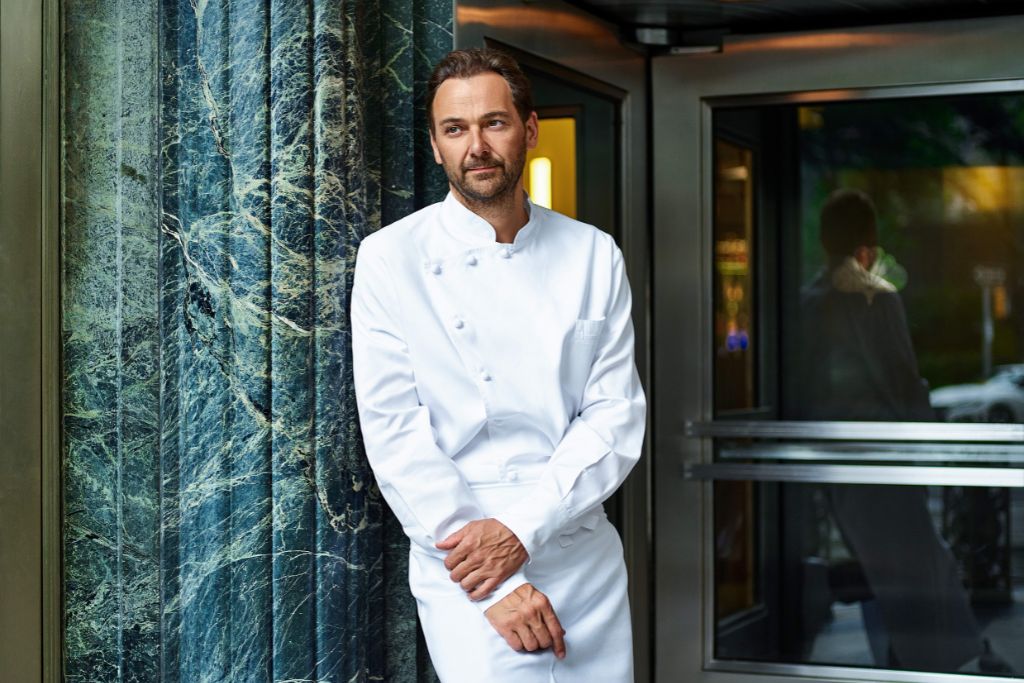
“Food is one of the most powerful expressions of cultural and natural heritage, and as a chef, I can translate those ideas into something tangible and emotional,” says Humm. “It reinforces our commitment to thoughtful sourcing, seasonality, and storytelling, ensuring that what we serve allows us to connect sustainability, biodiversity, and cultural identity in a way that people can taste and feel.”
Humm also sources ingredients such as maple syrup, wild blueberries, heirloom vegetables, heritage grains, and sustainably harvested forest products from indigenous and local farmers, foragers, and regenerative producers in the region. While his guests may be unaware of the in-depth backstory behind the ingredients on their plates, he believes there is still a meaningful, subtle benefit for them as well.
“They experience ingredients with a stronger sense of place and intention, whether that comes through produce grown by close farm partners, inspiration from biodiversity-focused regions, or techniques rooted in global culinary traditions,” he says. “Guests come for an extraordinary meal, but when the story behind the food is authentic, it adds depth to the experience and creates a connection between the plate, the land, and the broader cultural context, which ultimately makes the meal more memorable.”
Feature image courtesy of Relais & Châteaux.