Experience the Paris, Provence, Mexico City, Abiquiú (New Mexico), and Vienna landscapes that inspired some of the world’s greatest artists.
Art has always been a huge part of my life. I grew up with a grandmother who was both an artist and an art teacher, and a mom who worked as an art and recreation therapist. Some of my earliest memories are of children’s painting classes at the Heckscher Museum in Long Island and day trips into the city for dim sum followed by afternoons wandering the cavernous halls of the Met. I thought I had experienced art in all the classically meaningful ways. Then I realized there was another.
Nearly 10 years ago, on a trip to Aix-en-Provence, I visited Paul Cézanne’s studio, tucked into the hills above the city. Seeing his brushes, easel, and the rooms where he worked was fascinating, but what stayed with me most was the view from the window. Beyond the old paned glass was Mont Sainte-Victoire. It looked instantly familiar, and then it hit me: I wasn’t just looking at a mountain. I was looking at the exact landscape from one of Cézanne’s paintings hanging at the Met.
I’d seen that painting dozens of times before, but this was different. I was seeing the same scene that inspired the artist, from the very place where he stood to paint it. The experience transformed the work in a way I never expected. There was something so special, almost sacred, about experiencing the landscape through his eyes.
Ever since, I’ve found myself seeking out destinations and the artists they inspired. Following are a few of the best places to experience the world through an artist’s eyes, from the landscapes they painted to the studios, homes, and neighborhoods that shaped their work.
Paul Cezanne
Cézanne was born in Aix-en-Provence and spent a good chunk of his life in and around the city, painting the places he knew best. Today, you can still visit his homes, studio, and favorite painting spots, and see the landscapes behind some of his most famous works.
Atelier de Cezanne: Cézanne spent the last years of his life working in this beautiful, light-filled studio atop Lauves Hill. Lucky for us, it’s preserved much as it looked when he died in 1906, with his easel, brushes, and furniture still on display. It also has stunning views of Mount Saint Victoire, the muse in many of his paintings.
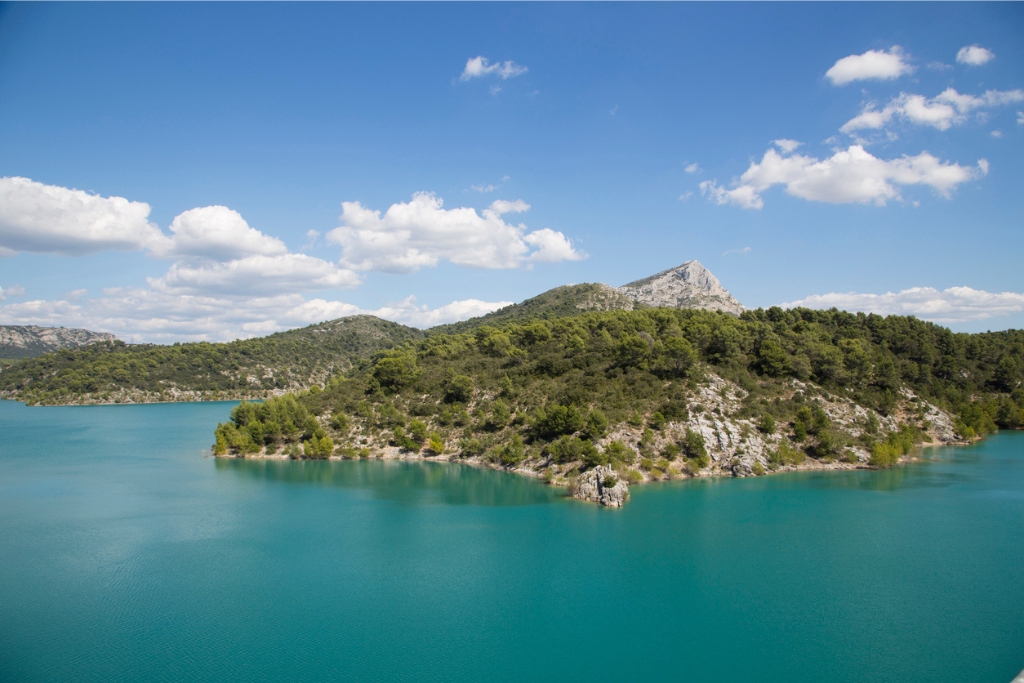
Terrain des Peintres: If the view from Cezanne’s studio isn’t enough, you can head up the hill to Terrain des Peintres, the viewpoint from which Cezanne liked to bring his easel to paint Mount Saint Victoire. Or, go even higher and hike around the limestone peaks of the famed mountain.
Bastide du Jas de Bouffan: Now that you’ve seen where he worked, check out the place Cezanne’s family lived for 40-plus years and one of the places he honed his skills. You can visit the house and wander the grounds to check out the gardens, ponds, and chestnut trees that appear in many of his paintings.
Musee Granet: And now it’s time to see some of those paintings. Musee Granet has two galleries dedicated to Cezanne spanning his whole career from his early works in Aix to some of his later ones painted in the Provencal countryside.
Claude Monet
Waterlilies anyone? Monet may have been born in Paris but the place people most often associate with him is a little town in Normandy about an hour and a half drive away from the city center, where he lived for 40 years.
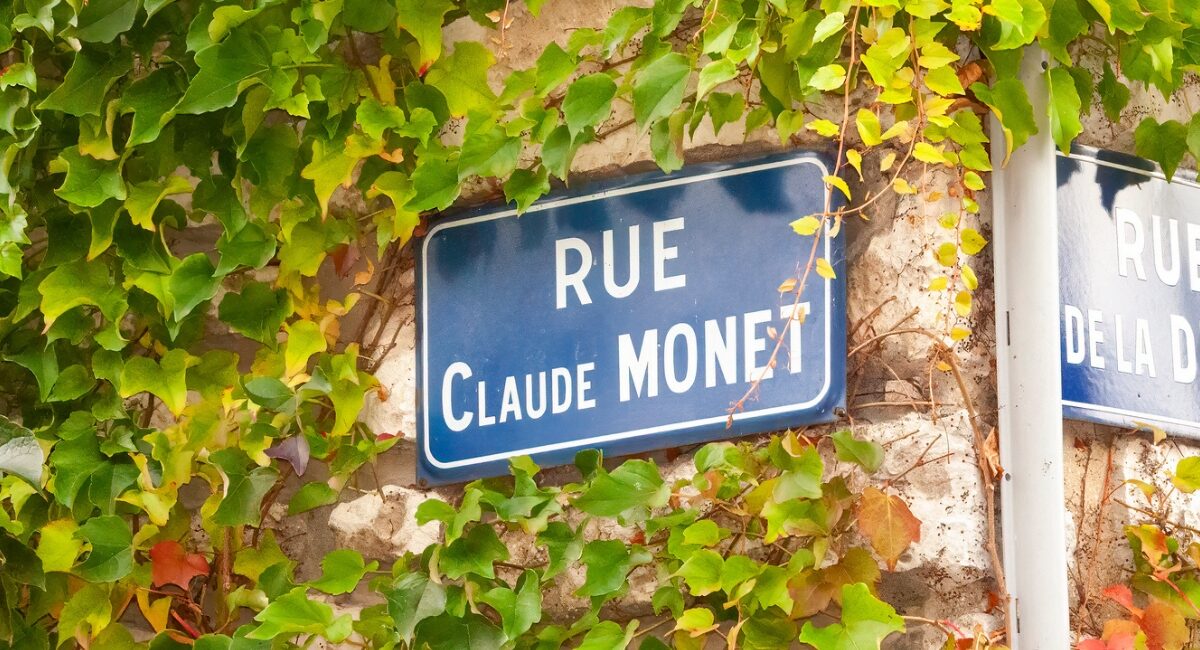
Giverny: Yes, you need to head to Monet’s house, but before you do, you’ll want to check out the town itself. Take a stroll down Rue Claude Monet and check out the Musée des Impressionnismes and Hôtel Baudy, which was once a popular gathering spot for American artists who traveled to Giverny to see Monet. Before you leave the village, stop by Église Sainte-Radegonde, where Monet and members of his family are buried.
Monet’s House & Gardens: You’ve probably seen the pink stucco house in some of his paintings, but this little pastel abode is where Monet lived from 1883 until his death in 1926. Visitors can wander through the colorful rooms and check out his former studio before heading out to the gardens, specifically the famous water garden. Monet bought a plot of land across from his house and created the dreamy landscape that would inspire hundreds of his paintings, including some of his most famous works. You can walk across the Japanese bridge and look at the water lilies, their reflections dancing on the water just like they do in his artwork.
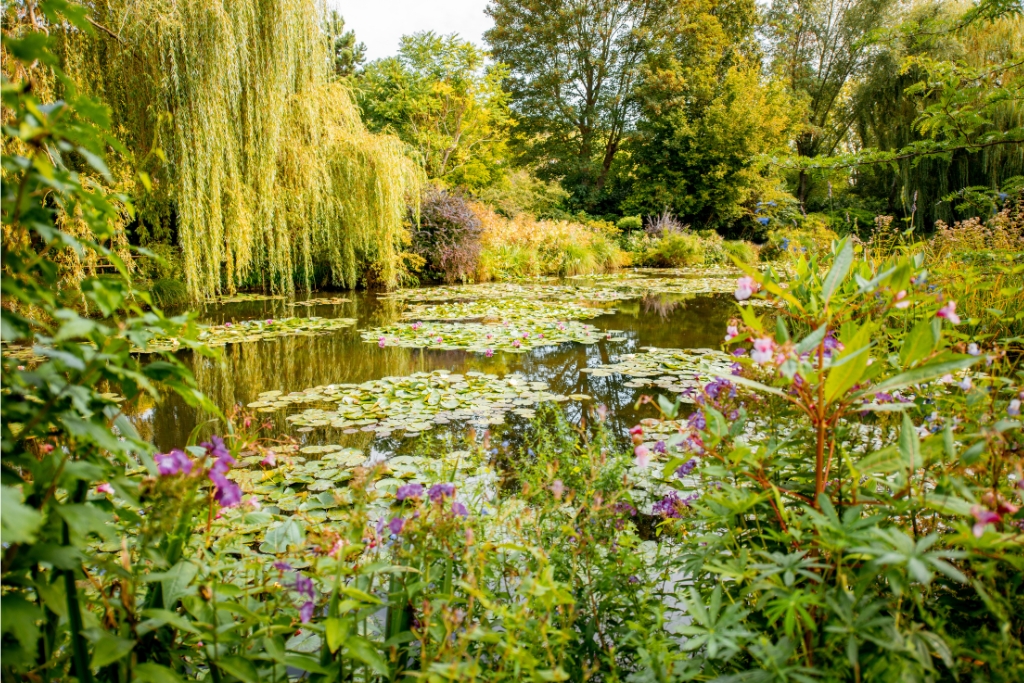
Musee de l’Orangerie: Back in Paris, this famed museum has two big oval rooms created just to display eight of Monet’s enormous Water Lilies compositions. They wrap around the walls to make you feel like you’re immersed in his world, and after seeing the real thing in Giverny, experiencing these works feels like pure magic.
Musee Marmottan Monet: Paris has so many incredible museums that this one often gets overlooked, but Monet fans should definitely make the journey to the 16th arrondissement. It holds the world’s largest collection of Monet works, including Impression, Sunrise, the painting that gave Impressionism its name.
Frida Kahlo
Frida Kahlo’s colorful art is instantly recognizable, and when you explore the vibrant streets of Mexico City, it’s easy to see where she drew her inspiration. Coyoacán, the now bohemian neighborhood where she was born and spent most of her life, still holds so much of her history and there’s no shortage of places to go if you want a more 360-degree view of her life before she passed in 1954.
Coyoacán: Any good Frida tour will kick off in Coyoacán, exploring the neighborhood she called home. You’ll want to walk around Jardin Cenenario and Plaza Hildago before heading to the real star of the show, her home.
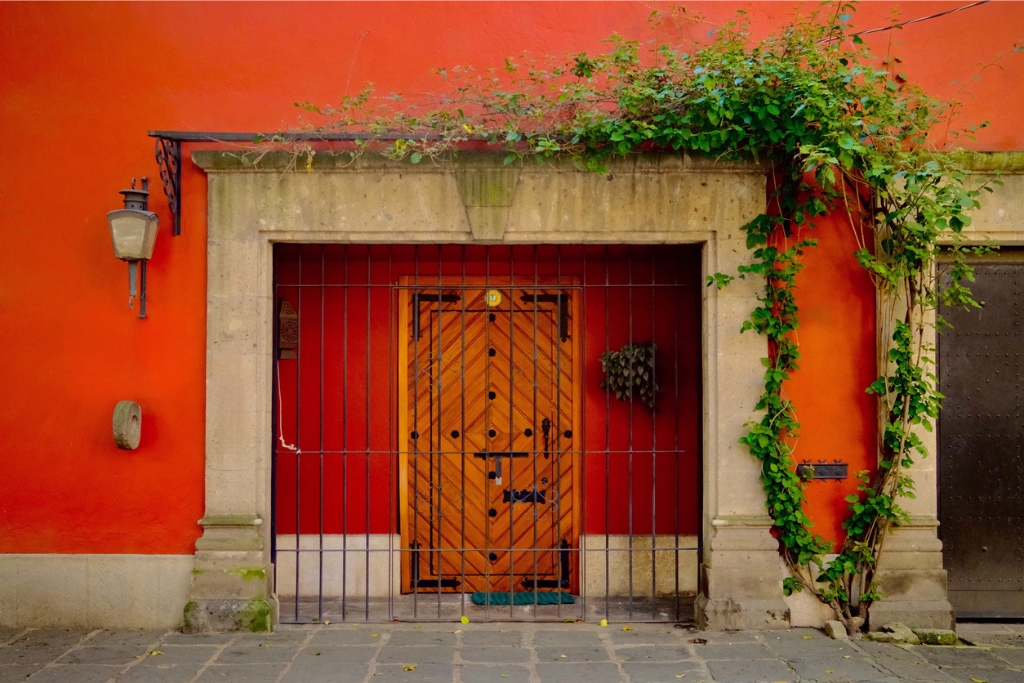
Museo Frida Kahlo : This museum, better known as La Casa Azul, is the bright cobalt-blue house where Kahlo was born in 1907 and later lived with her famously tumultuous love, fellow artist Diego Rivera. Today, it’s filled with Frida’s clothing, photos, art supplies, and a handful of her paintings. After a serious bus accident left her bedridden for long stretches of time, her bedroom became another place to create, and you can still see the mirror installed above her bed that allowed her to paint her now-famous self-portraits during her recovery.
San Ángel: Across town, spend some time wandering San Ángel, a neighborhood with cobblestone streets, colorful colonial homes, and leafy plazas where Kahlo and Rivera lived. The Museo Casa Estudio Diego Rivera y Frida Kahlo is also here inside the pair of modernist houses (connected by a rooftop bridge) where the couple lived and worked in the 1930s. You can tour the spaces and see Rivera’s studio, along with The Two Fridas, one of Kahlo’s most famous works.
The Zócalo & Palacio Nacional: Though not directly tied to Frida, it’s still worth checking out Palacio Nacional. Here, you can see Diego Rivera’s gigantic murals depicting Mexican history, including The History of Mexico, and get a feel for the post-revolutionary Mexican art movement that shaped Frida’s work.
Georgia O’Keeffe
You know the flowers, but Georgia O’Keefe was also obsessed with the desert. After her first trip to New Mexico in 1929, she kept coming back to see the red rocks, adobe buildings, and blue skies. Eventually, she made it her full-time home in 1949.
Santa Fe: Santa Fe is the hub of Georgia O’Keeffe lore and has the eponymous museum with the largest correction of his work including plenty of the famous flowers plus paintings of the New Mexico landscape, photographs, and some of her personal items.
Abiquiú Home & Studio: An hour north of Santa Fe, you’ll find an adobe home O’Keefe bought in 1945. The house and studio have been preserved pretty much exactly as she left them and like many of these other itineraries, you can explore the place she created her works along with the furniture and supplies she left behind. There’s also the iconic black door that leads to the courtyard, something O’Keefe painted dozens of times.
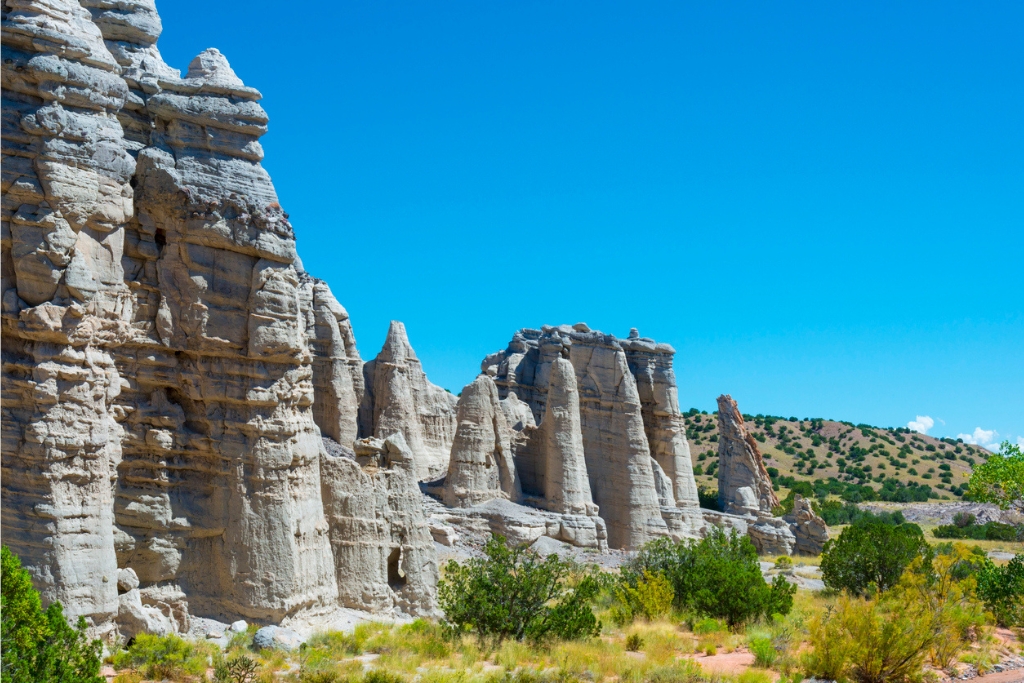
Ghost Ranch: O’Keeffe also had a home at nearby Ghost Ranch, but this stop is really all about the landscape. The giant property is surrounded by the red cliffs, mesas, and strange rock formations that she fell in love with and painted repeatedly. Today, you can hike through that same scenery and spot views that inspired works like Red and Yellow Cliffs.
Cerro Pedernal: When you’re at Ghost Ranch, keep your eyes peeled for the flat-topped Cerro Pedernal in the distance. It was one of O’Keeffe’s favorite subjects, and she painted it so often that she jokingly referred to it as her “private mountain.” After O’Keeffe died in 1986, her ashes were scattered at its summit.
Gustav Klimt
Famous for gold-splashed pieces like The Kiss and Portrait of Adele Bloch-Bauer I, aka The Woman in Gold, Gustav Klimt is synonymous with Vienna, the city where he spent most of his life. Today, you can see many of his masterpieces around the city, visit his final studio, and venture into the Austrian countryside where he spent his summers painting.
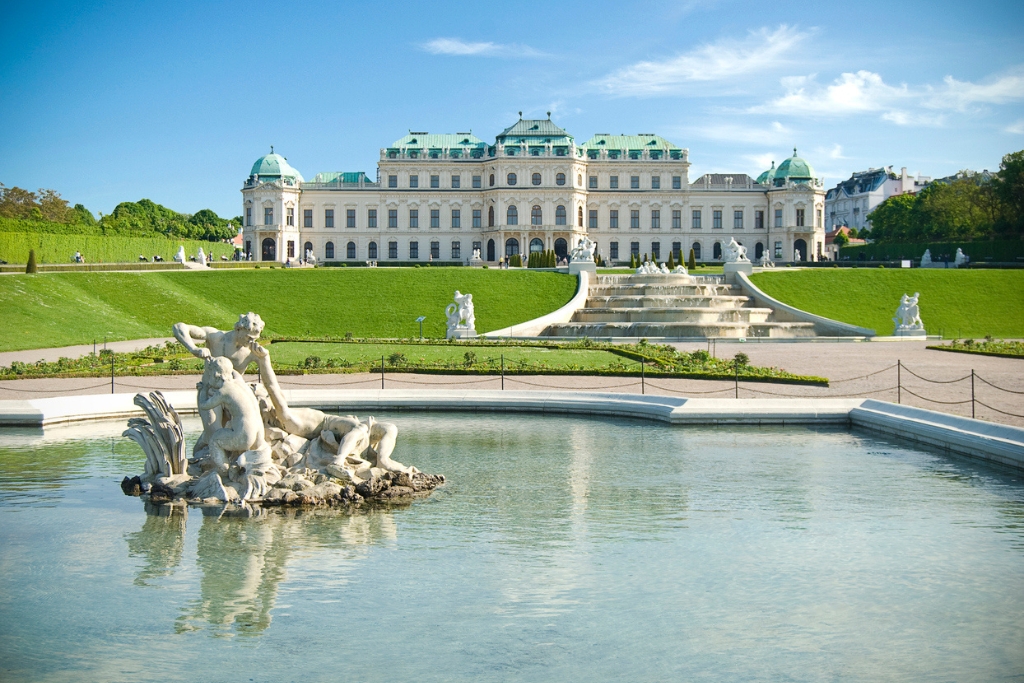
Belvedere Palace: Let’s start with the big one. Vienna’s incredible Baroque Belvedere Palace is home to the world’s largest collection of Klimt paintings, including his most famous work, The Kiss. You’ll also find Judith and other works from his Golden Period, so this is the place to get up close to all that gold leaf before exploring more of Klimt’s Vienna.
Vienna Secession: Klimt helped found the Vienna Secession in 1897 as a bit of a rebellion against Vienna’s traditional art establishment, and the group built a very cool, very unconventional headquarters. The Secession Building is open to visitors, so you can check out its famous golden dome before heading inside to see Klimt’s Beethoven Frieze, a massive work that stretches across three walls.
Klimt Villa: For a more up-close-and-personal look at the artist, head to the Klimt Villa, where he kept his final studio from 1911 until his death in 1918. The studio itself has been reconstructed based on historic photographs and descriptions so that you can see the space where he worked on some of his later paintings.
Attersee: Need a vacation from your vacation? So did Klimt. The artist spent many summers around Lake Attersee in Austria’s Salzkammergut region, trading bustling Vienna for turquoise water, green mountains and quaint country houses. You can follow the Gustav Klimt-themed trail around the lake to find viewpoints connected to his work and see the scenery that inspired paintings like Attersee and Litzlberg on the Attersee for yourself.
Feature image by Barbaraaaa, courtesy of iStock