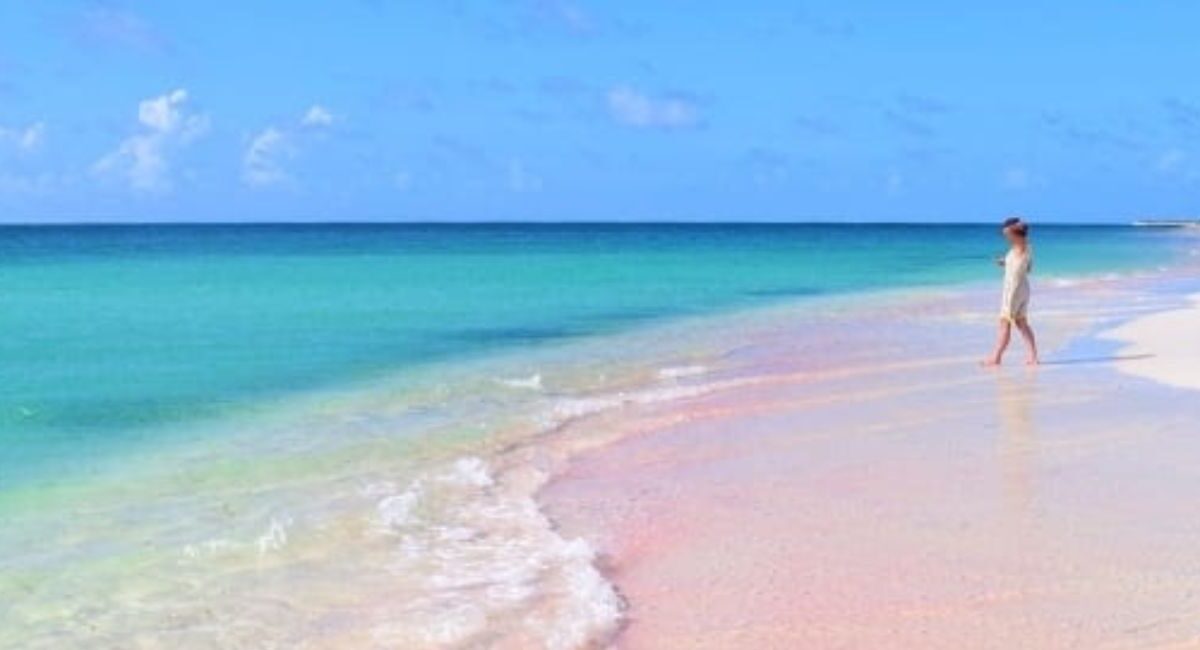
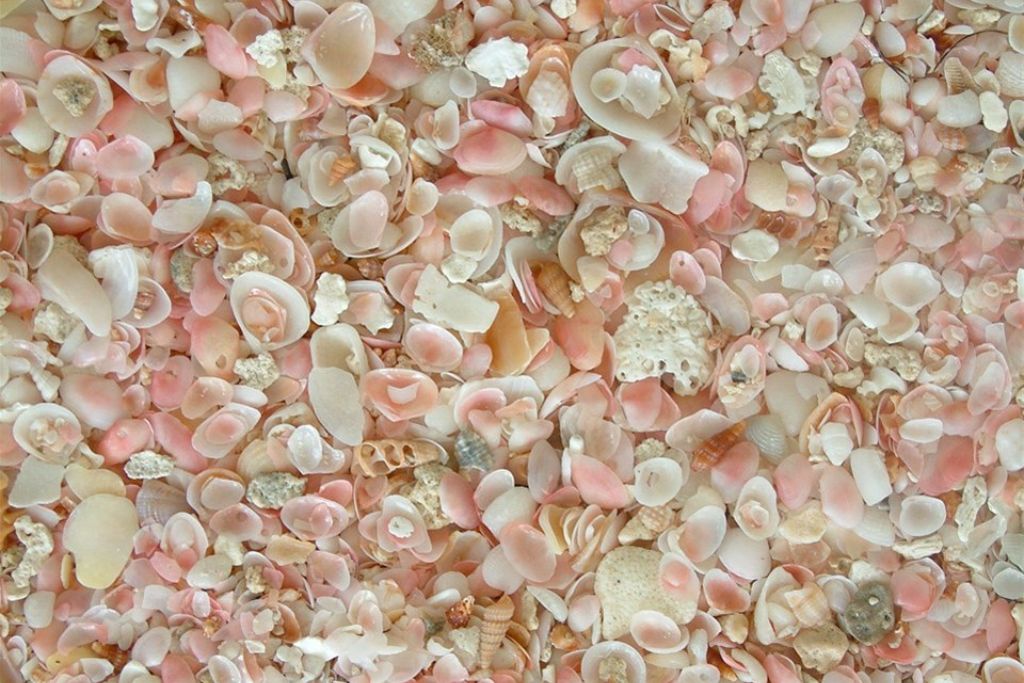
Pink sand. Full circle. What long served as a secret hideaway for celebrities — the island was a favorite of the late Princess Diana — is returning to its rosé-hued, pink-sand, glitterati roots.
Barbuda — Antigua’s little sister and home to a 17-mile beach and just 1,500 residents — is having a moment. Its metamorphosis is rooted largely in the reimagination of K Club, the once-exclusive Barbuda hotel owned by Italian fashion designer Mariuccia Mandelli (of the Krizia label). Princess Diana came often to K Club (and its pink-sand beach now named in her honor) in the 1990s with then-young Princes William and Harry. But she was not the only luminary to seek out the island’s seclusion and natural beauty. Actors Sylvester Stallone and Dustin Hoffman were among the many A-listers and fashion insiders who frequented the resort in search of privacy.
In 2004, Mandelli closed K Club, and throughout the late 2000s and early 2010s, the hotel sat — still famous, but unused. Following the fashion designer’s death in 2015 (at age 90), the property caught the eye of actor and hotelier Robert De Niro and luxury-hotel investor, James Packer. Together they acquired the 400-acre beachfront lease. Set to open later this year (2026), the reimagined property will include the 36-room Nobu Beach Inn alongside 25 Nobu luxury residences. The restaurant, Nobu Barbuda overlooking Princess Diana Beach, is already open and comes with all of the brand’s menu classics: miso black cod, rock shrimp tempura, and wagyu beef sliders. There are chic island-meets-Nobu touches too: private beach cabanas with butler service, sunset omakase dinners on the beach, and Japanese robata barbeque (grilled Barbudian spiny lobster, fresh-caught fish, and conch).
While the Nobu transformation is currently Barbuda’s most high-profile project, the island is experiencing a wave of additional luxury development from new hotels to residential communities.
The Building of Luxury Residential Communities
On the southern side of the island, two luxury residential communities led by Mike Meldman, founder and chairman of Discovery Land Company (and cofounder of Casamigos tequila with George Clooney and Rande Gerber), are underway. Coco Point spans 164 acres and will include 30 private homes. Palmetto Point spans 800 acres and will open with an 18-hole Tom Fazio-designed golf course, followed by future private estates.
A New Airport
Barbuda sits 30 miles north of Antigua and is easily accessible from its sister island via a 90-minute boat or 20-minute plane ride. A recent investment by John Paul DeJoria, cofounder of Paul Mitchell hair products, has resulted in a new airport (opened late 2025), that now accommodates larger private jets.
Future Rosewood Hotel
Still in the conceptual stages, Rosewood Barbuda has announced plans to open in 2028 on the island’s south shore. The property will include 50 suites, 35 residences, multiple pools and restaurants, and an Asaya Spa.
Roddy’s Barbuda
One of the island’s most beloved restaurants, Roddy’s Barbuda (formerly Uncle Roddy’s Beach Bar and Grill) has been family owned since 2006. Roddy’s is known most for its grilled Barbuda lobster, local catch of the day, and conch fritters, although the mahi-mahi fish tacos, burgers, and dark chocolate crème brûlée are equally popular. With the name refresh comes a new open-air dining experience overlooking the water and with direct beach access.
The newly refreshed restaurant is just one of Barbuda’s forever favorites. Others include:
A Stay At Barbuda Belle
Accessible only by boat or prop plane, this lovely eight-room hotel has an elevated French touch and feel. Every room is beachfront; the small restaurant serves local island and French flavors: conch, lobster, foie gras; while the spa offers L’Occitane treatments.
Other much-loved accommodations include Barbuda Ocean Club, a private resort residential community spanning eight miles of beachfront; and Barbuda Cottages, an enclave of private beach houses available for rent and home to Roddy’s Barbuda.
A Visit to Frigate Bird Sanctuary
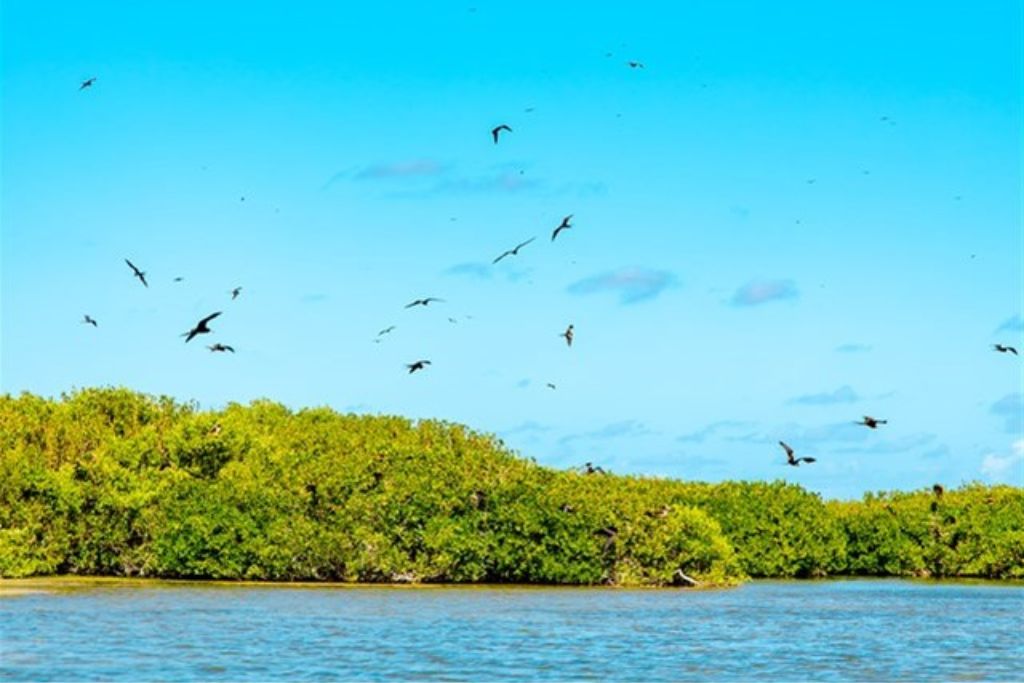
Even non-birdwatchers are in awe of Barbuda’s Frigate Bird Sanctuary in Codrington Lagoon National Park, which stretches along the island’s entire western coastline. The frigate bird colony is the second largest in the Western Hemisphere (after the Galapagos), with more than 2500 of the black-feathered, red-throated birds roosting in the mangroves. The best time to visit (by pre-arranged, licensed sea taxi) is during mating season — September to April. Watch the males’ dramatic courtship display: they line up, puffing their scarlet throats, while females circle overhead, scrutinizing potential partners before finally landing to begin the mating ritual. The park is also home to pelicans, gulls, tropical mockingbirds, Christmas birds, and West Indies whistling ducks, as well as sea turtle nesting beaches and lobster habitats.
Snorkeling Palaster Reef
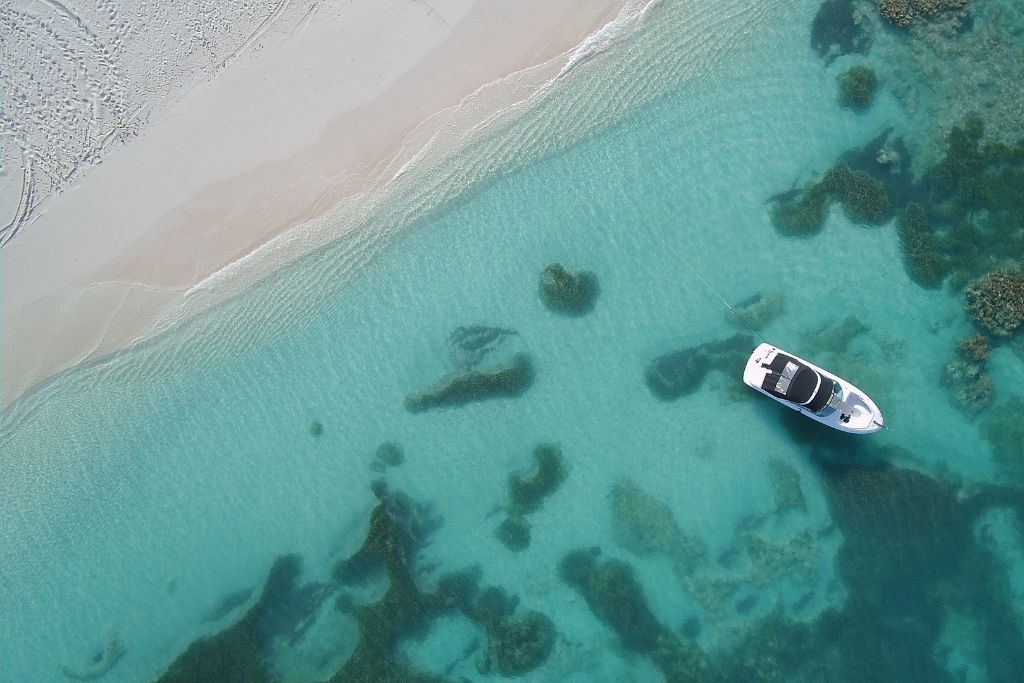
Barbuda is widely known for its excellent snorkeling with one of the favorite spots being Palaster Reef. Located on the southern coast (near Coco Point and Spanish Point) and accessible only by boat, the reef is teeming with tropical fish including parrotfish, Bermuda chubs, Caribbean reef lobsters and even green turtles. Other notable snorkeling spots include the shallow coral outcroppings at Princess Diana Beach and the remote northern waters around North Beach and Cedar Tree Point.
The Cave Petroglyphs at Two Foot Bay
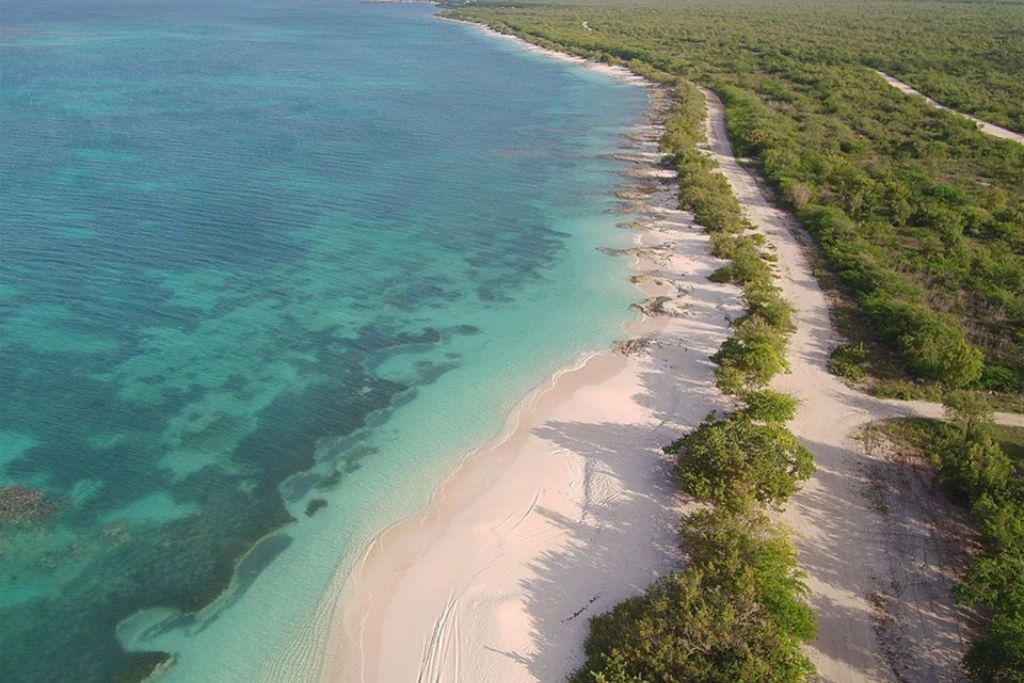
Another Barbuda nature treasure comes at Two Foot Bay National Park. Here, expect to see more island wildlife: iguanas, crabs, and more tropical birds, along with lush foliage and flowers. A highlight though are the caves which Barbudans have used over centuries. One of the most notable is Indian Cave, showcasing ancient petroglyphs left by the Arawak or Siboney (Barbuda’s original inhabitants).
The Donkeys
Wild donkeys add to Barbuda’s untamed vibe. Many contend that Barbuda has more donkeys than people and at an estimated 3,000-plus donkeys roaming freely, the speculation may be true. The donkeys were first introduced as work animals during colonial times, but have since become feral and have adapted to island life. Find them (early morning or later afternoon when it’s cooler) strolling through Codrington village or in the afternoons napping under shade trees. They are also frequenters of the northeast coast near Two Foot Bay where they love the scrub brush, and around Codrington Lagoon where they come to drink from the natural watering holes.
Featured image courtesy of Antigua Barbuda. In partnership with Antigua and Barbuda Tourism.