Years ago, when I was first cutting my editorial chops as a health writer, I was given an assignment to report on an unprecedented situation taking place in hospitals around the country: “boarder babies” — newborns who were removed legally from their parents at birth and left to reside temporarily in hospitals. On a rainy Friday night, I drove my 20-something self deep into the bowels of Newark, N.J., to an inner-city hospital. A nurse, harried yet welcoming, led me to a tranquil room lined with rocking chairs. Here, cooing volunteers — a teacher, stay-home mom, retiree, Wall Streeter, and on this night, writer — gently cradled and rocked tiny newborns. Some of the babies had been living at the hospital for weeks going on months; others, born to drug-addicted mothers, were undergoing their own medical treatment. With nowhere to immediately place the babies, a massive volunteer initiative had been launched where a core group showed up at all hours of the day and night to rock, cuddle, and comfort these tiny beings. The reason? Touch was to be their lifeline.
“Touch is one of the oldest forms of human communication,” says Constantin Bjerke, founder of Datu Wellness, a nomadic wellness program focusing on Ayurveda and traditional Chinese and Tibetan medicines. “Yet in a world that has become increasingly digital, caring touch has become surprisingly rare. It plays a vital role in wellbeing because it helps the nervous system feel safe enough to soften, communicating care and connection without words. Many of our guests arrive carrying the weight of modern life. Yet what they often remember most isn’t a particular treatment, but the simple feeling of being genuinely cared for.”
Certainly hundreds of scientific studies — including The Harvard Study of Adult Development (one of the longest-running studies ever conducted on happiness, 85+ years) — have documented the powerful role touch and human connection play on health. The Harvard study began following 724 men when they were teenagers (in 1938). Every two years, researchers queried the participants on their emotional and mental wellbeing. Overwhelmingly, those deemed to be the happiest (and healthiest) reported having strong relationships and human connections.
Tactile in the Catskills
“Touch matters, human connection matters,” says Katie Childs, former wellness director for Foster Supply Hospitality, which operates a collection of boutique hotels and restaurants in New York’s Catskills. “As a society, we have a lot to unpack, we are all recovering from the world right now.”
Childs worked in tandem with Foster’s dynamic owners, Sims and Kirsten Foster, in opening Hemlock Spa at Kenoza Hall, a former boarding house, built originally in the early 1900s as a Catskills summer retreat. The Fosters purchased the property in 2017 and, following a massive renovation, reopened it as a hotel and spa in 2020. Set on 55 acres, Kenoza Hall features 22 guest rooms and 11 bungalows — many with lake views and large soaking tubs. The newest, a wellness bungalow, was designed with in-room spa treatments and wellness experiences in mind.
“Everything about this property is tactile,” says Childs. There are no digital keys, no remote check in, guests are given old-fashioned, hard keys to rooms; they connect with humans upon arrival and throughout their stay.”
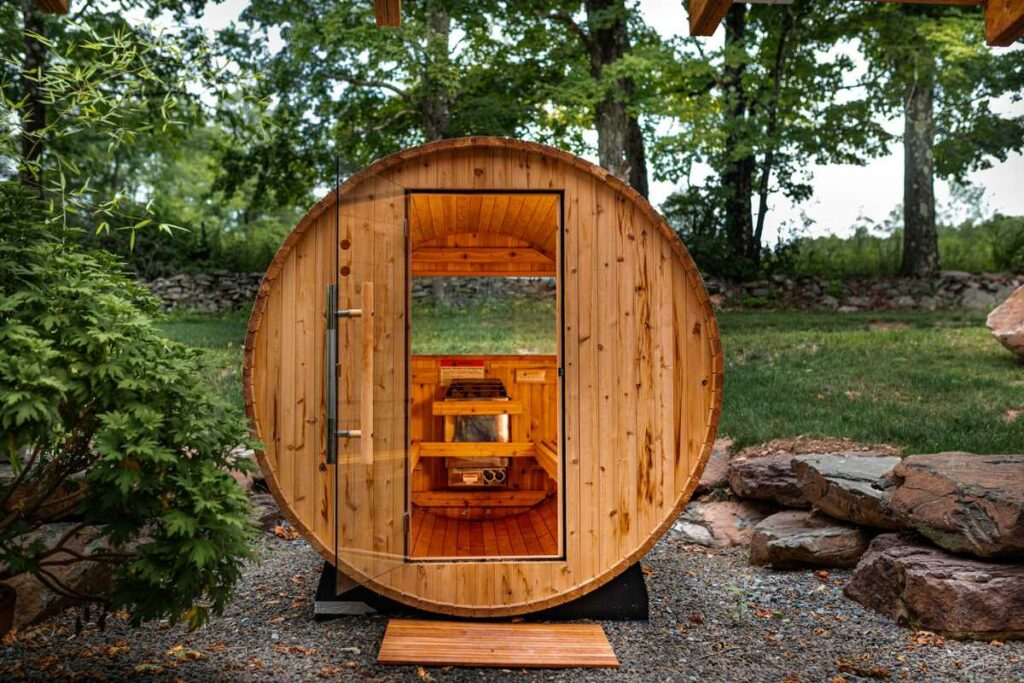
The high-touch philosophy continues in the small (just four treatment rooms) spa, where Childs leaned heavily on tried-and-true spa basics: a daily “morgenlauf” (morning walk), a barrel sauna, Kneipp treatments and cold-plunge bucket, a favorite of owner Kirsten, who lived and visited Germany and Austria often as a child. Kirsten’s mother grew up in Germany.
“Visits to public Kneipp parks were common and inspirational,” says Foster. “When I was sick, my mother encouraged a strong ‘Krauter tea’ and fresh air; a cold plunge if I dared. I spent nearly every summer with my Omi in Hamburg.”
Yoga, custom facials, and very simple but effective massages, including a Kneipp neuromuscular deep tissue massage with arnica oil are also on the spa menu. In designing the program, it was important to Foster to steer clear of the touchless therapies that emerged and quickly accelerated during the pandemic.
“The answer for a lot of spas was a digital experience, a move toward touchless treatments like IV therapies and zero gravity massage,” says Childs. “And while there are some wonderful touchless therapies out there, none are a replacement for true interaction and the wellbeing that you get from human touch.”
Massage Remains in High Demand
Penny Kriel, corporate director of Spa & Wellness for Salamander Hotels & Resorts, in Middleburg, Virginia, believes that now more than ever before people are coming (or in many cases, returning) to the spa specifically for touch and connection.

“The rush we saw in spas post pandemic, had a lot to do with people needing to feel that personal reconnection,” says Kriel. “With everyone’s stress levels running higher than normal, we saw a huge increase in [the request for] massage. I also received feedback [from my therapists] that guests were talking a lot more during treatments which, to us, indicated they were craving the social element after being isolated.
“When Covid hit and we didn’t know how it was being transmitted, there was a fear within everyone to avoid touch which led the industry to create a market for touchless treatments and therapies,” Kriel continues. “But as someone who has tried most of them, I can attest that nothing matches a good, therapeutic, and customized massage. A personalized massage does so much more for you physically because it can be tailored to your tension areas, and emotionally, because it releases endorphins that help to boost your mood and make you feel better. One of the most relaxing massages is to combine scalp, neck, shoulders, and feet, which again, is very customized. There are no touchless treatments that can focus on only those areas. I think massage will continue to be one of the most demanded treatments because there is no tool or machine that can connect and touch like human hands — adjusting pressure and technique as needed — and providing that personal/social connection at the same time.”
More Touch Therapies We Love
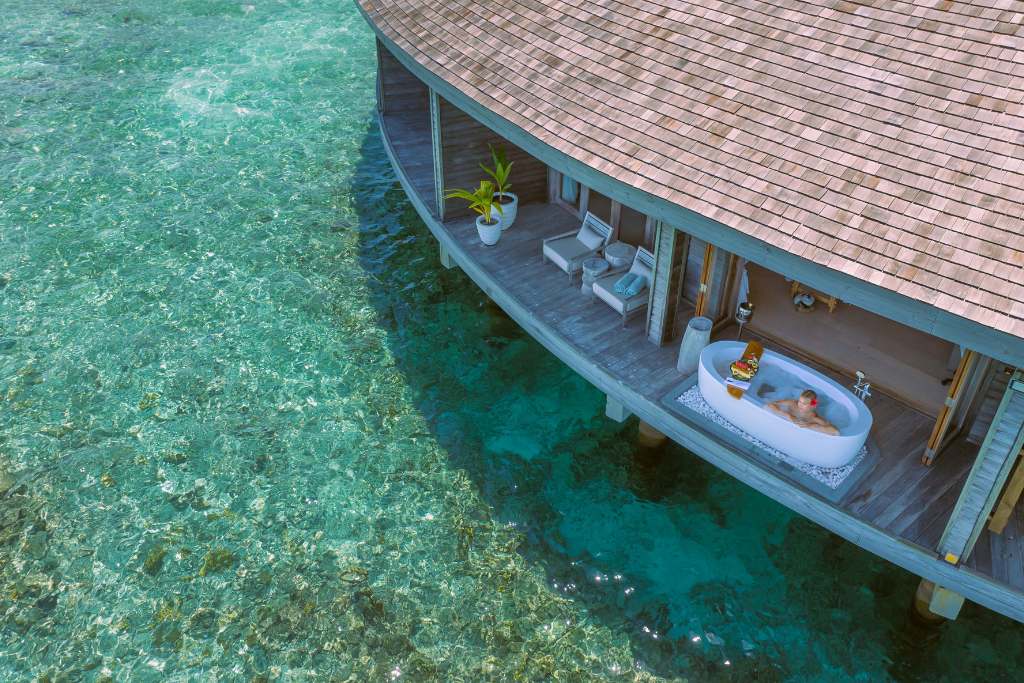
Baani Spa, Kagi Maldives
Traditional Balinese Massage (90 minutes): Authentic traditional Balinese methods combining kneading, stretching, skin rolling, and pressure point techniques.
Guerlain Wellness Spa, Waldorf Astoria New York
Spirit of Achievement (90 minutes): During this restorative massage, Elizabeth (known to me as Queen Elizabeth) spends the first 45 minutes just on the back and shoulders, working to elongate the upper torso and stretch the body taller.
Datu Wellness Nomadic Retreat, Italy
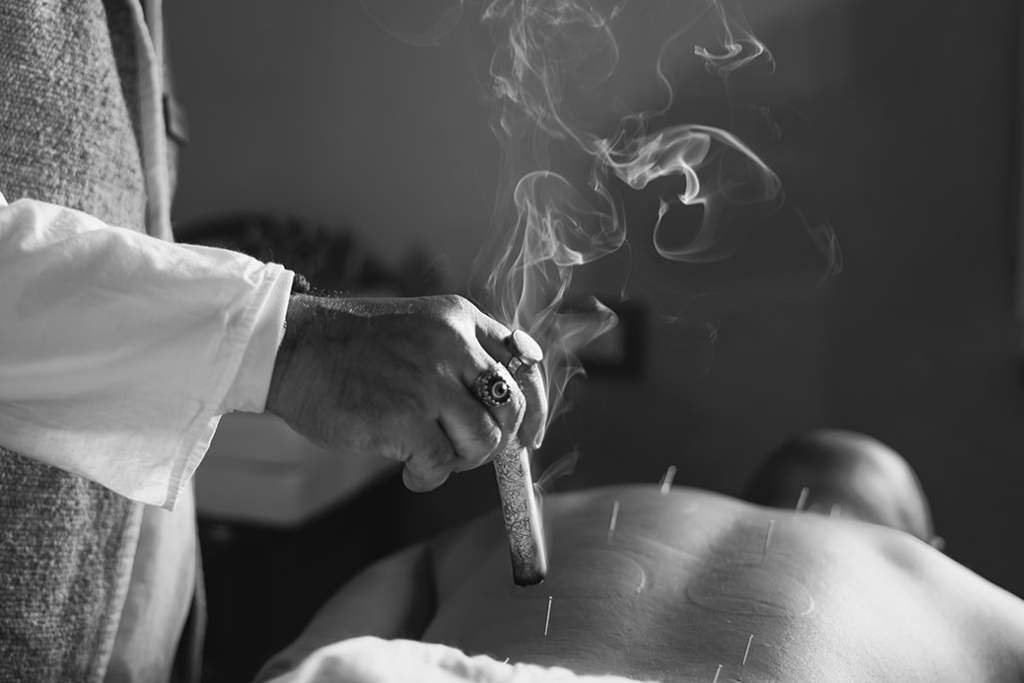
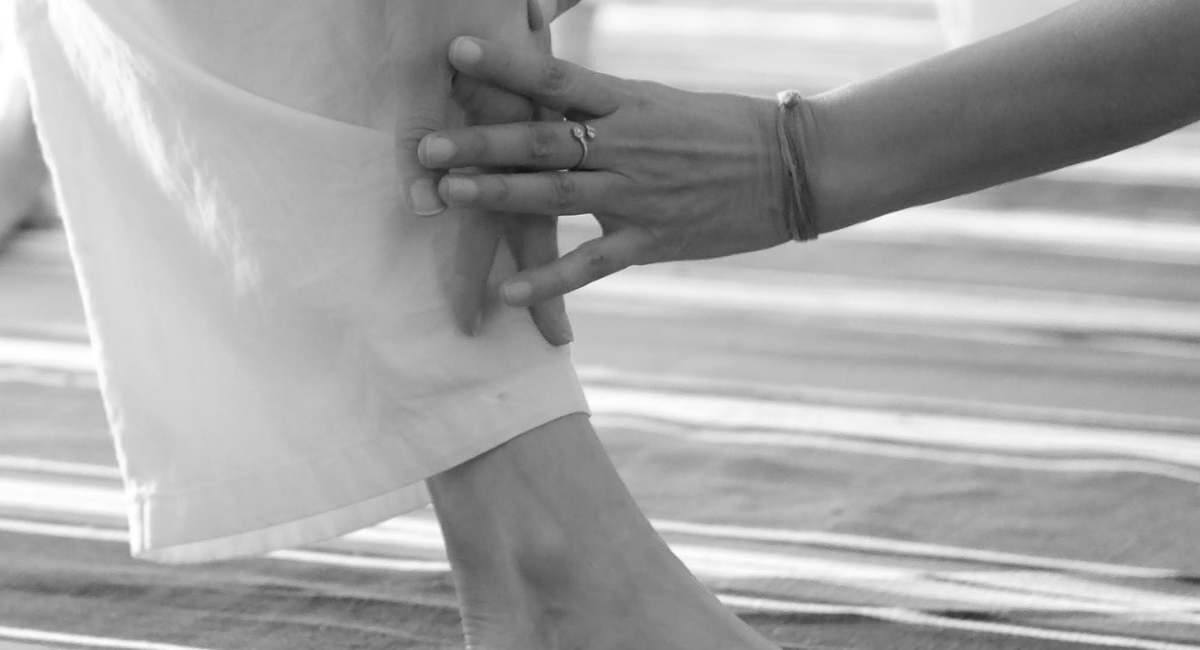
Abyanga massage (120 minutes). This nomadic retreat, focused on authentic Ayurveda treatments delivered by practitioners from India, is held several times a year in various Italy locations. During this traditional hands-on treatment, generous amounts of warm oil are poured onto the body, face, hair, and scalp; followed by cupping, acupuncture, and moxibustion with the Chinese Medicine doctor.
Spa Pendry, Natirar, New Jersey
Customized Massage (90 minutes). Reserve a session with Yuka, originally from Japan, who studied there before honing her career in New York City and ultimately New Jersey. Her Asian spa influence is apparent in the way she gently twists and contorts, stretches, and presses every knot and kink.
Veligandu Maldives Resort Island
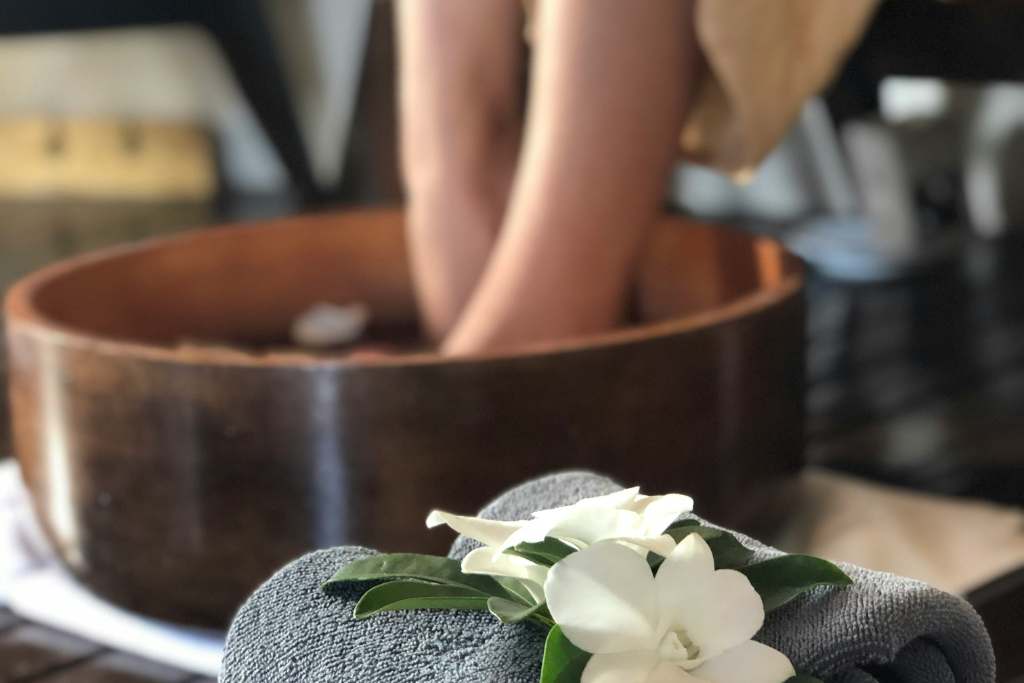
Maldives Journey (120 minutes): This ritual begins with a foot bath on the outside deck overlooking the sea followed by a full-body massage combining deep strokes and stretching so intense it has my therapist crawling right onto the massage table. A body scrub and hair cream bath — both using pure 100-percent coconut — complete the treatment.
Feature image courtesy of Datu Wellness.