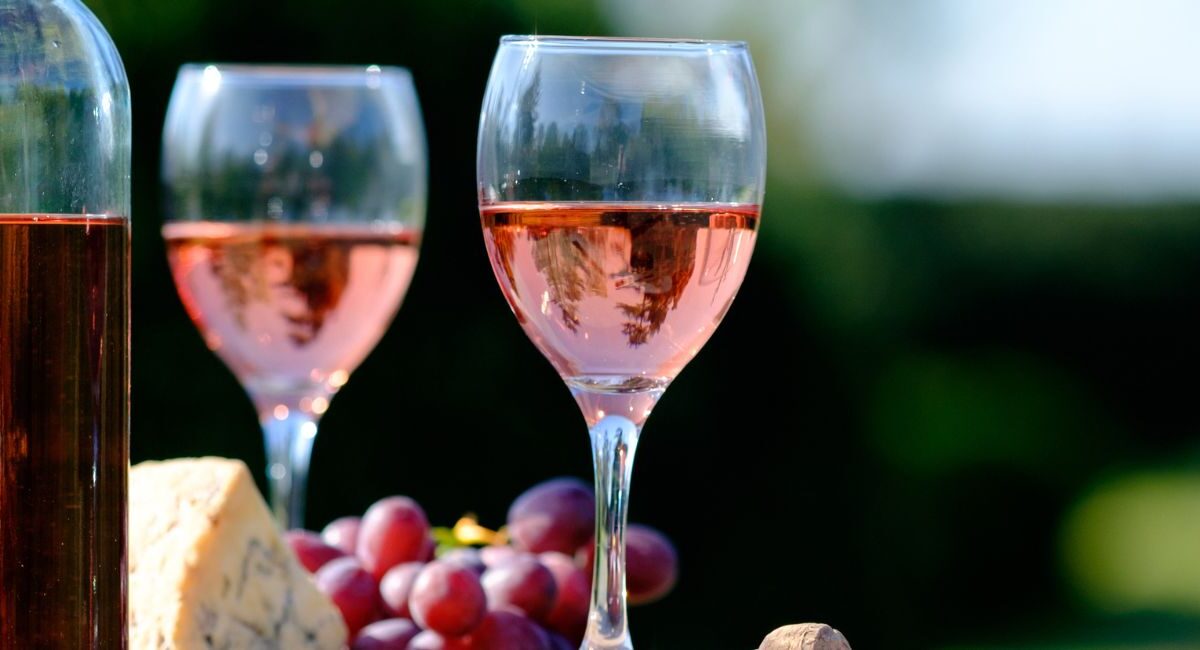
Nothing speaks summer more than rosé.
Pink in hue, light, and delicately pretty, rosé pairs perfectly with crisp summer nights and light dinners of seafood, grilled veggies, salads, and charcuterie. Airy desserts, like fresh strawberries with cream or lemon chiffon pie are other complementary options. Served chilled (preferably between 45 and 55 degrees), rosé is best sipped outdoors. And preferably on a terrace surrounded by fragrant, climbing roses.
Some confuse the pretty-in-pink wine as being a carefully curated blend of red and white (it’s not); rosé is actually made by allowing red grape skins to sit awhile in their juice (hence the color). France, of course, produces most of the world’s top rosé wines. But Italy and the U.S. offer a few lovelies too. Following are our recommendations for the top six rosé wines to sip this summer. See you in the rose garden or by the water’s edge.
Frank Family 2025 Leslie Rosé of Pinot Noir
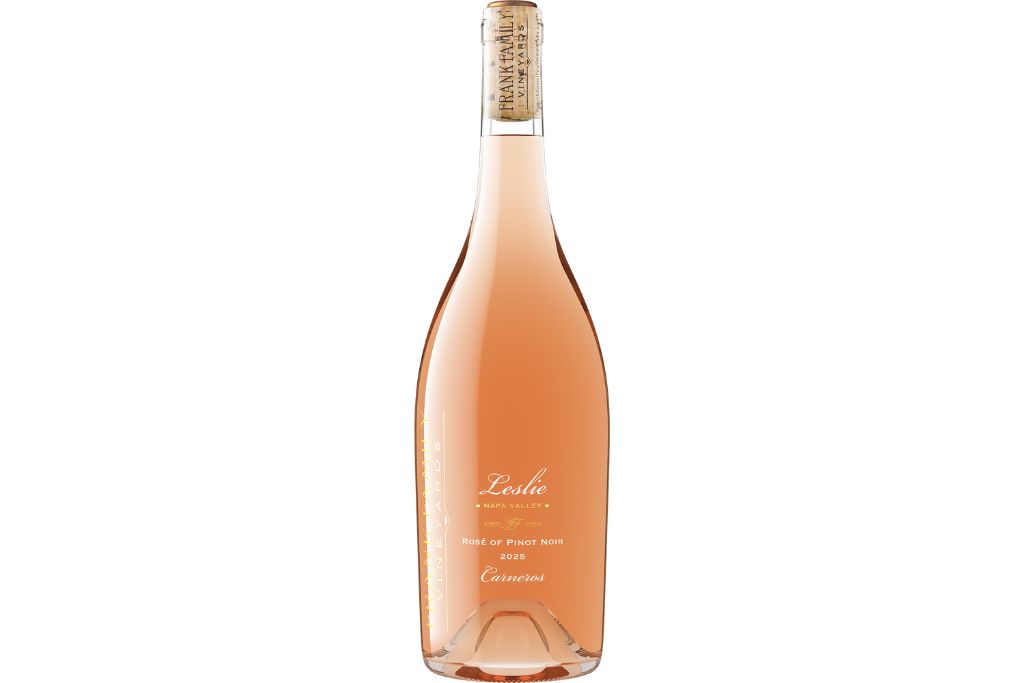
When I first added rosé to my summer sipping portfolio, it was like a dream. Finally. Something new. But then every winery jumped onto the rosé bandwagon and before I knew it, rosé had become a bore. Then I tasted Frank Family’s Leslie Rosé …and got excited about the pink-hued wine all over again. Frank Family senior winemaker Todd Graff has figured out how to coax remarkably varied flavors from this notoriously persnickety but always rewarding grape. Within Leslie’s rosé, which utilizes fruit from the Lewis Vineyard (source of the estate’s award-winning single-vineyard Pinot Noir), I tasted freshly hulled summer strawberries, exotic lychee, and a perfectly weighted pomegranate core. It’s the perfect antidote to boring rosé.
Bouchaine Vineyards 2025 Vin Gris of Pinot Noir
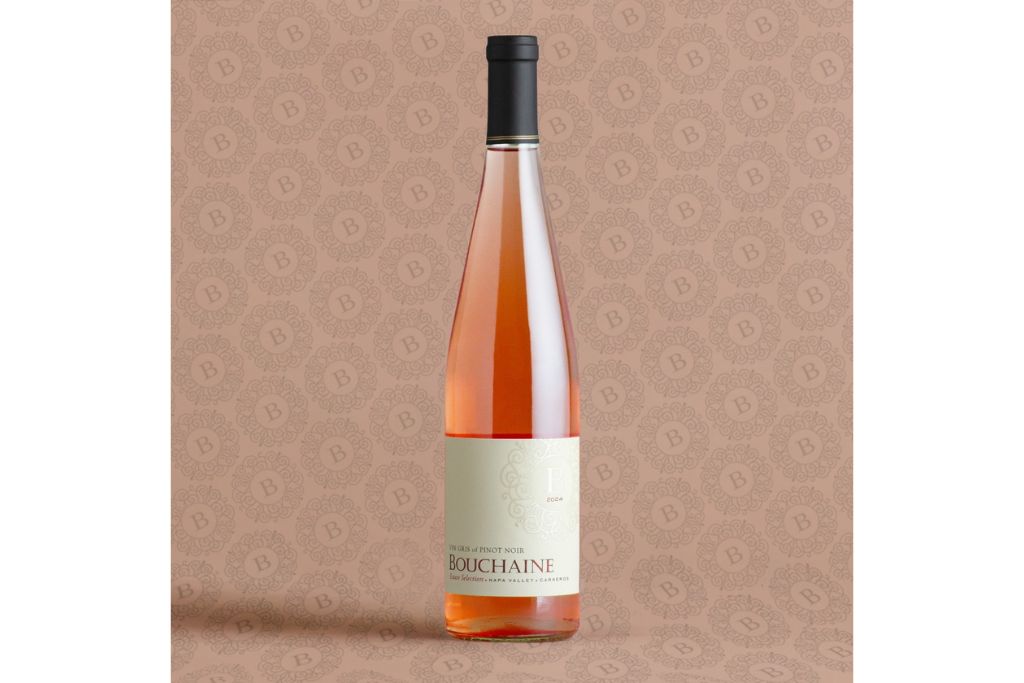
When Tatiana and Gerret Copleland first laid eyes on the land that was to become Bouchaine winery, there were no vines bursting with fruit or buildings bustling with activity: the site, which was owned by Beringer and was used for production and storage, had fallen into disrepair. Determined to take their love of wine, particularly Pinot Noir, to the next level, the couple purchased what is now known to be the oldest continuously operating winery in Carneros and got to work replanting vineyards and designing new winery buildings. Today, the winery’s Vin Gris is a top seller and it’s easy to see why: racy but elegant, the pink peppercorn-hued wine tastes of summer fruit wrapped in the voluptuous roundness of Pinot Noir.
Refugio 2025 Rosé Santa Ynez Valley
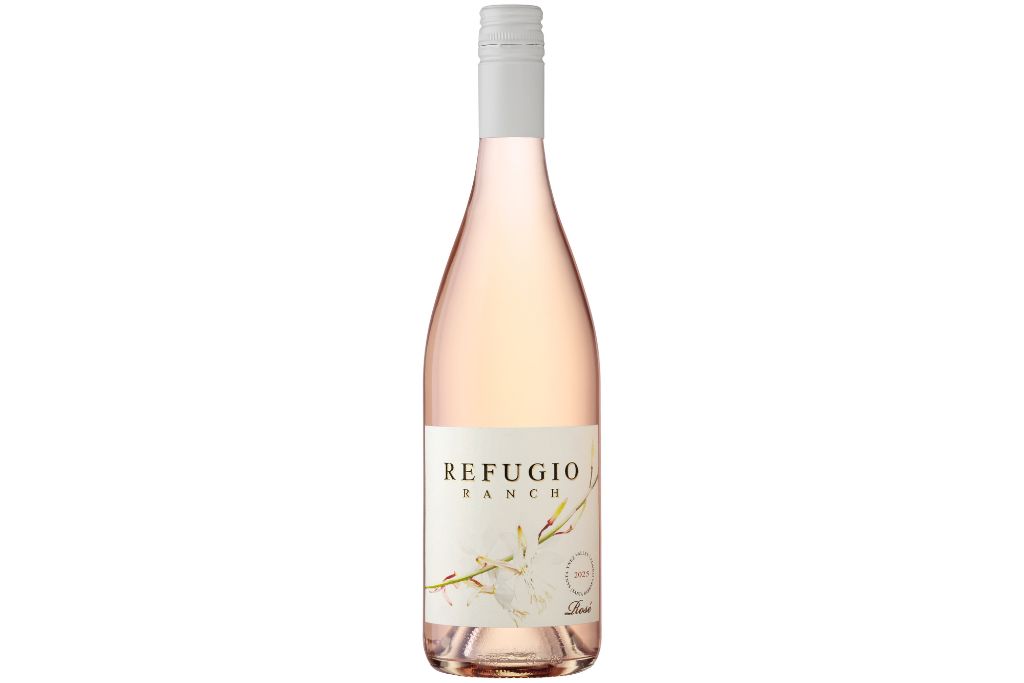
After the debacle that was white zinfandel, it took a while for wine drinkers to trust their happy hours to American rosé. We’d been burned. Now, American winemakers have gone their own way again, blending what they want to create wines that, this time around, are refreshing and delicious, often bold but always dry as a bone. Refugio’s 2025 Rose Santa Ynez Valley, which blends Syrah, Grenache, and Petit Syrah, is a great example of this new attitude. I caught some spring flowers on the nose; as the wine warmed, tart cherry, granite, and ripe watermelon delivered serious, bracing flavor.
Davis Estates 2025 Lily Fleur Rosé
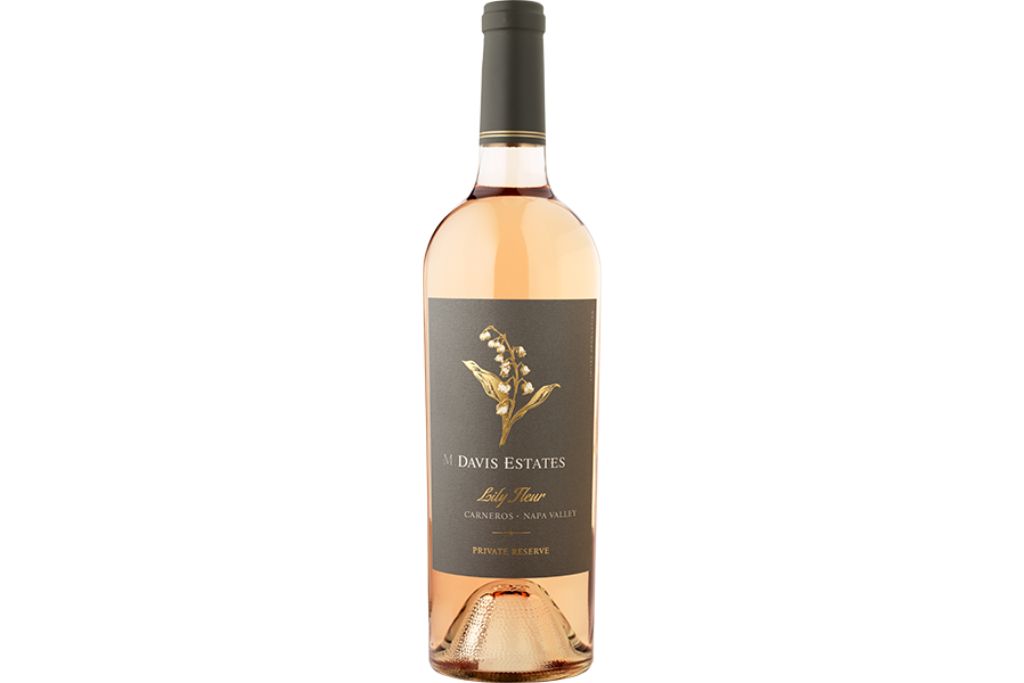
My first sip of this pale-pink rosé made me sit up a little straighter. It was richer than I had expected, with tropical fruits lending both flavor and weight. A bit of research, and a glass or two later, I learned that the unique flavors had come courtesy of a bit of Cabernet Sauvignon and Merlot added to the blend. But while the wine had lovely depth, it wasn’t heavy or cloying — the mostly Pinot Noir blend had retained the mouth-watering freshness that makes rosé a summer star.
Littorai 2025 Vin Gris
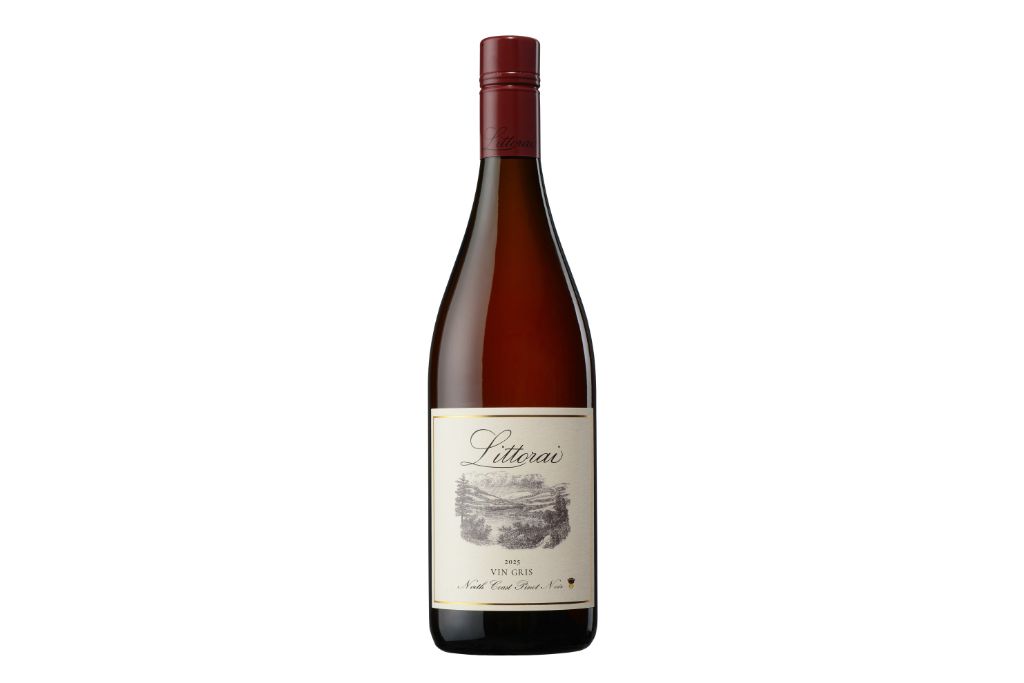
Straight from the fridge, Littorai’s rosé of Pinot Noir filled my mouth so fully and completely that I had to pause and reset. All the fruit was there, but in a zesty, mouth-watering way that fully refreshed — think tiny wild strawberries that burst on your tongue or a super-ripe peach sprinkled with salt and a tiny bit of lemon juice. I wanted to gulp more, but then the savory and serious finish arrived, reminding me that, in the right hands, rosé is a force all its own. The wine also felt like a special treat: Heidi and Ted Lemon, who own Littorai, only make a rosé when the wine gods deem it appropriate.
Lloyd by Robert Lloyd 2024 Rosé
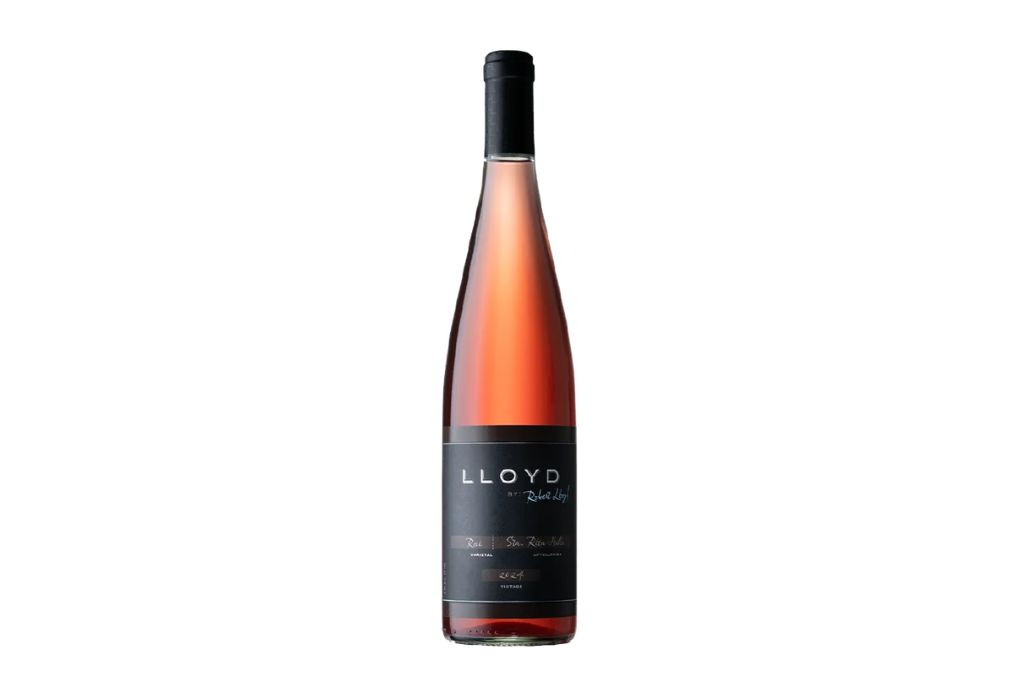
Robert Lloyd had a long, successful career working behind the scenes at wineries like Cakebread, La Crema, Rombauer, and Stags’ Leap, but his Chardonnays — big, buttery, and deliciously bold — were often imitated, but never had quite the same verve. Now that he has his own winery, he’s still doing things his own way and the 2024 rosé reflects that philosophy. For starters it’s a stunning, vibrant, Tavel-like shade of pink — a serious hue that hints at the deep flavors within. But instead of Tavel grapes, Lloyd reached into his own Pinot Noir vineyards to create a rosé with all of the depth but an extra shot of freshness. It’s fun to drink, but even more fun to pour for friends who, moments after reminding you they only like pale roses, will be handing you their glass for a refill.
Domaines Ott 2024 Chateau de Selle Rosé
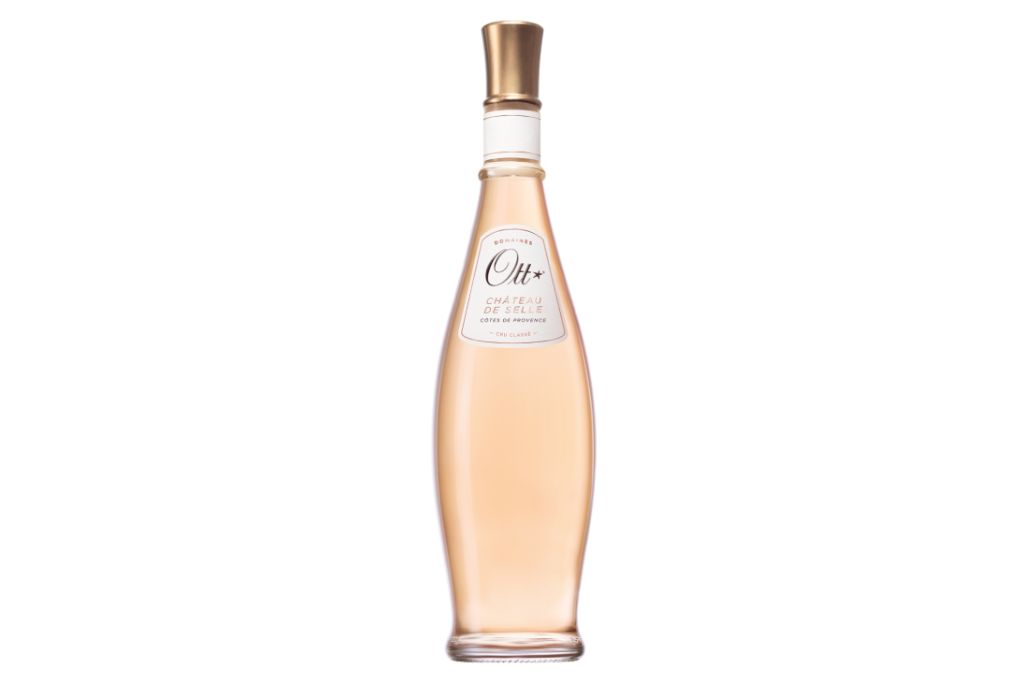
The first time I sipped traditional French rosé, so dry that the pink color seemed shot through with silvery highlights, so ambiguously saline yet crammed with shadows of fruit, it became the gold standard for all rosés that followed. Although I’ve now come to appreciate rosé in all of its delicious forms, Domaines Ott’s 2024 Chateau de Selle swept me back to that day on la plage. This is one to let sweat on the counter: as it warms, the strawberries, slightly bitter citrus, lime zest, and wild herbs come alive in your glass.
Featured image courtesy of Canva Pro.