Ansel Adams’ dramatic works aside, existing in a world defined by shades of gray seems terribly dull. We’re affected by color; certain hues can calm, unlock creativity, evoke happiness, and even signal passion. So it’s no wonder that, when we travel, we find ourselves seeking out places that will fulfill our desire to live in a rainbow rather than a fog bank.
Until recently though, no one had actually ever quantified the color scheme of a destination. Until Just Cover, a travel insurance company, used a color analysis tool to identify the world’s most colorful places. In its study, Just Cover determined that the world’s most vibrant cities often displayed well over a million (and in many cases two million) unique hues.
From the candy-colored homes in Charleston, South Carolina, to the bright blue walls of Morocco’s famous Chefchaouen, we’re highlighting super colorful destinations for you to explore on your next jaunt around the globe.
Lisbon, Portugal
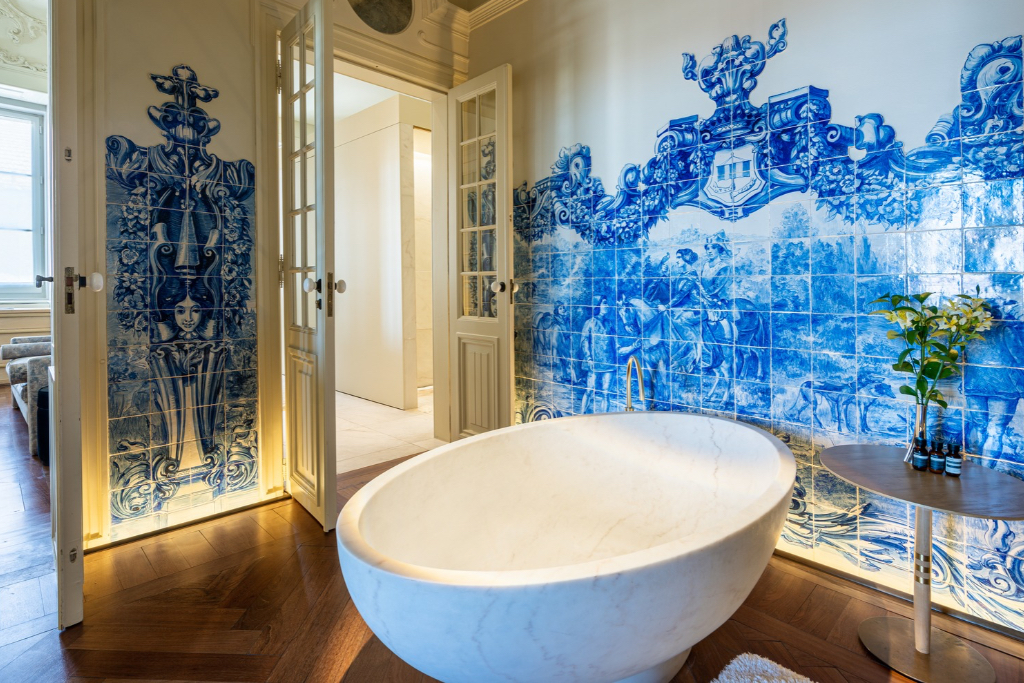
Keep your camera ready because Lisbon is like a kaleidoscope: just when you think you’ve seen every combination on the color wheel, a new combination slides into view, like the pop of one of the city’s bright yellow trams against the blue and white mosaic of an azulejo-clad building. Constructed of local Lioz limestone, which nearly sparkles as it reflects the sunlight, Lisbon’s sidewalks and monuments add to the visual drama as well.
Where to Stay
From its hilltop setting above Chiado, Verride Palacio de Santa Catarina offers views of Lisbon’s colorful tapestry of red rooftops, goldenrod-hued buildings and the cobalt ribbon of the Tagus River. Suites are done in cool neutrals with accents that match the city’s azulejo tiles; for a full immersion in blue and white, book the royal suite, which has a bathroom fully clad in the antique hand-painted tiles.
What to Eat
Eating is a joy in Lisbon: everyone, it seems, wants to celebrate the deliciousness of Portugal’s food and wine. Henrique Sa Pessoa is both the chef (formerly of Alma) and the restaurant, a striking, moody blue space that elevates local ingredients to new heights. Whether you pop into Audrey’s for breakfast, lunch, dinner or happy hour, expect to be wowed by the attention to detail, the stylish setting and even live music twice a week.
What to Do
Lisbon’s streets are narrow and hilly, with neighborhoods spread over a surprisingly large area. To get a better sense of what’s where, hop into a vintage sidecar for the ride of your life.
Insider Tip
Trust us, Port is delicious. Try it the way locals do, slightly chilled with a pastel de nata, Portugal’s addictive custard tarts, or with a bite of dark chocolate at the end of the meal.Still too sweet? Go for a white port and tonic, which arrives with an orange slice and a big sprig of fresh mint.
Valparaiso, Chile
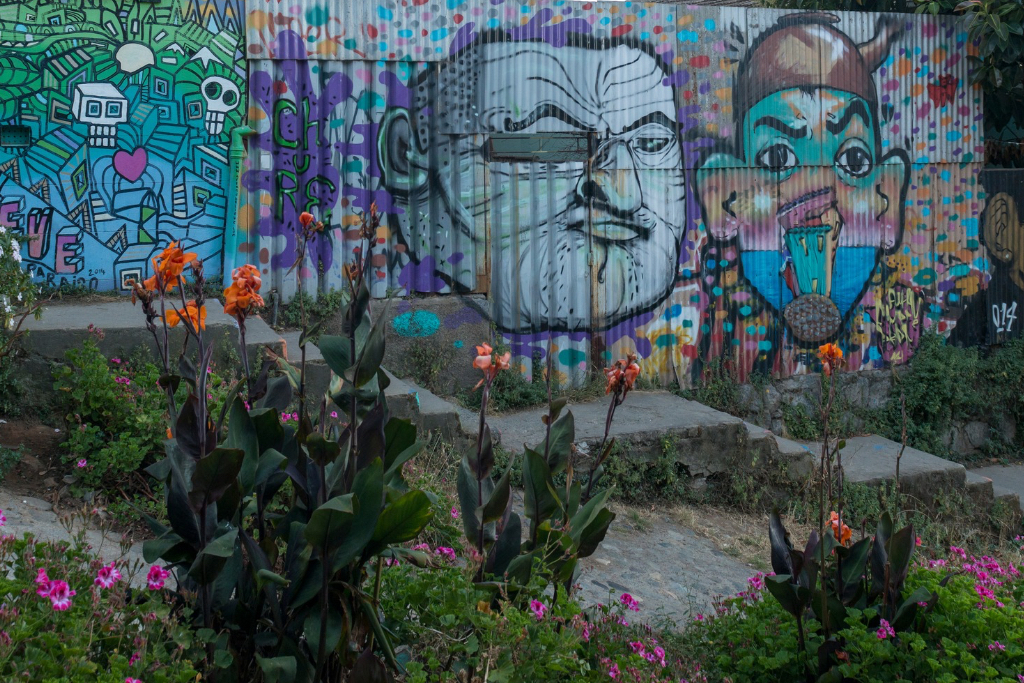
In the coastal city of Valparaiso, street artists armed with nothing but paint and imagination have transformed brick walls, buildings, staircases and even curbs into canvases for color-drenched works of art. Nobel award-winning poet and former diplomat Pablo Neruda is credited with starting the movement in the 1940’s when, after returning to his home town from a posting in Mexico City, invited Mexican street artists to Valpo to kick off its transformation. Today, it’s a UNESCO World Heritage Site.
Where to Stay
Spilling down a steep hillside overlooking the bay, Casa Higueras is embellished with woodwork so glossy it glows, original artwork, a stunning outdoor restaurant that looks out over the bay and a series of tiered gardens that end at a serene pool and spa.
Where to Eat
Decorated with fishing nets and photographs of the local fishermen who supply each day’s catch, sunny Tres Peces features hard-to-find Chilean delicacies like abalone alongside house-made specialties like shrimp pad thai. Don’t skip the bread, piping hot pan amasado meant to be slathered with butter or oil then dabbed with spicy pebre that resembles pico de gallo and starts nearly every meal in Chile.
What to Do
Perched atop Cerro Bellavista, a high hill overlooking busy Valparaiso Bay, La Sebastiana, one of Pablo Neruda’s three homes in Chile, is lovingly eccentric and as brightly colored as the city. Take the audio tour, but don’t miss the views from the house.
Insider Tip
Tame Valparaiso’s hills the way locals do: riding the 15 funiculars that scale the city’s steeply sloping hills. The station at the base of the Reina Victoria funicular is decorated with posters and photos detailing the history of the city’s funiculars; at the top, you can see the century-old wooden cogs that just pulled you up the hill.
Colmar, France
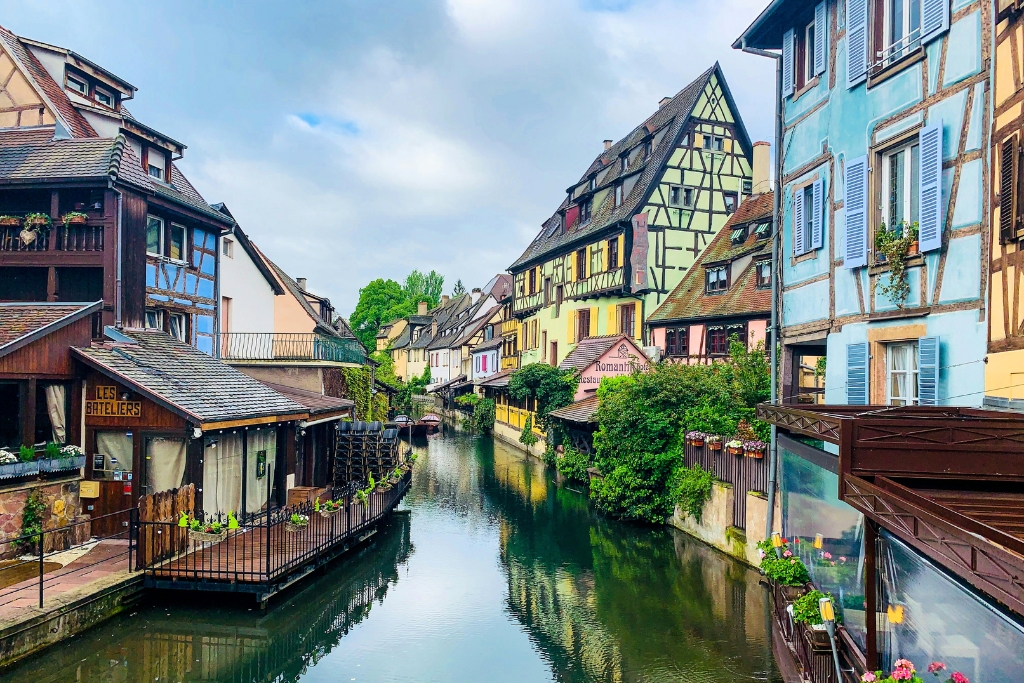
Color is everywhere in this ancient Alsatian city, from the half-timbered buildings painted an array of shades to murals, frescoes, shutters and even the flowers that spill like paint from the hanging garden boxes that line the curving canal within Little Venice. Stand on the Saint-Pierre Bridge before the boats begin to ply the canal and you can see the scene reflected in the mirrorlike water.
Where to Stay
The Relais & Chateaux Maison des Têtes occupies a beautifully restored 1609 mansion complete with the 106 stone heads – têtes –carved into the facade. There’s lots of original stone, exposed wooden beams and stained glass.
Where to Eat
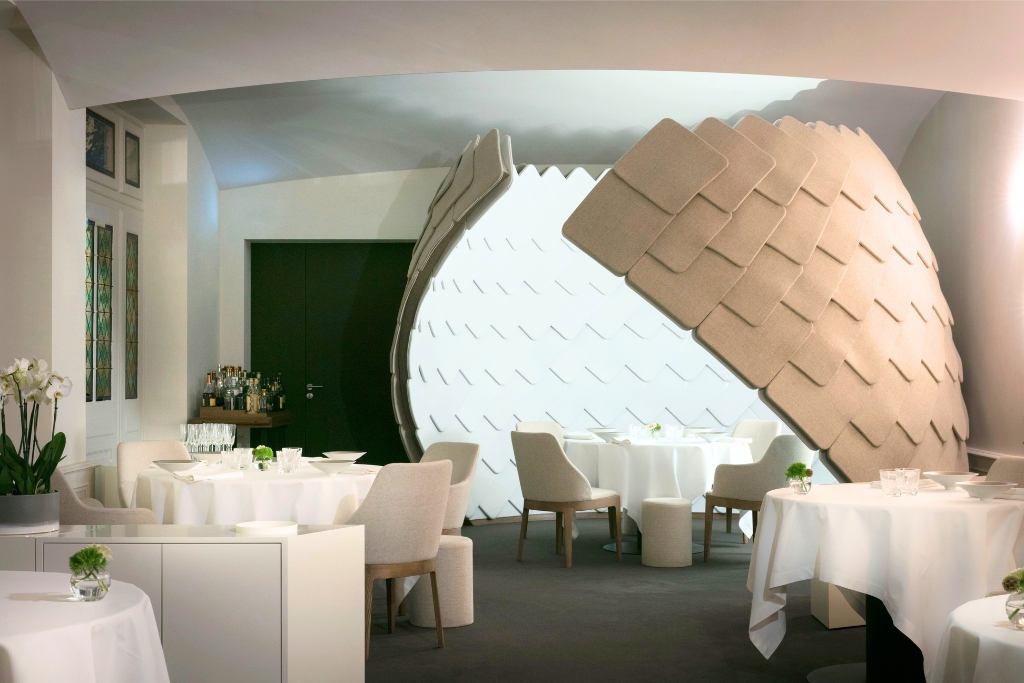
Quai 21 earned two toques from Gault & Millau for its deftly crafted Alsatian dishes–all those wonderful flavors but a bit lighter. It’s all about tradition at Wistub Brenner, where tarte flambée, choucroute garni and other hearty dishes are just like grand-mère would have made.
What to Do
Alsace’s wine culture can be traced back to the Romans, who snatched the picturesque valley between the Vosges Mountains and the Rhine River from the Celts in 58 BC and immediately began planting grapes on the sunny slopes. The region’s 107 “vintner villages” are linked along the 105-mile long Route des Vins d’Alsace, which is crisscrossed with walking trails through peaceful vineyards, storybook villages and stunning estates.
Insider Tip
Getting to Colmar is easy – trains depart from both Paris (direct) and CDG (one stop) and take less than three hours.
Curacao, Netherland Antilles
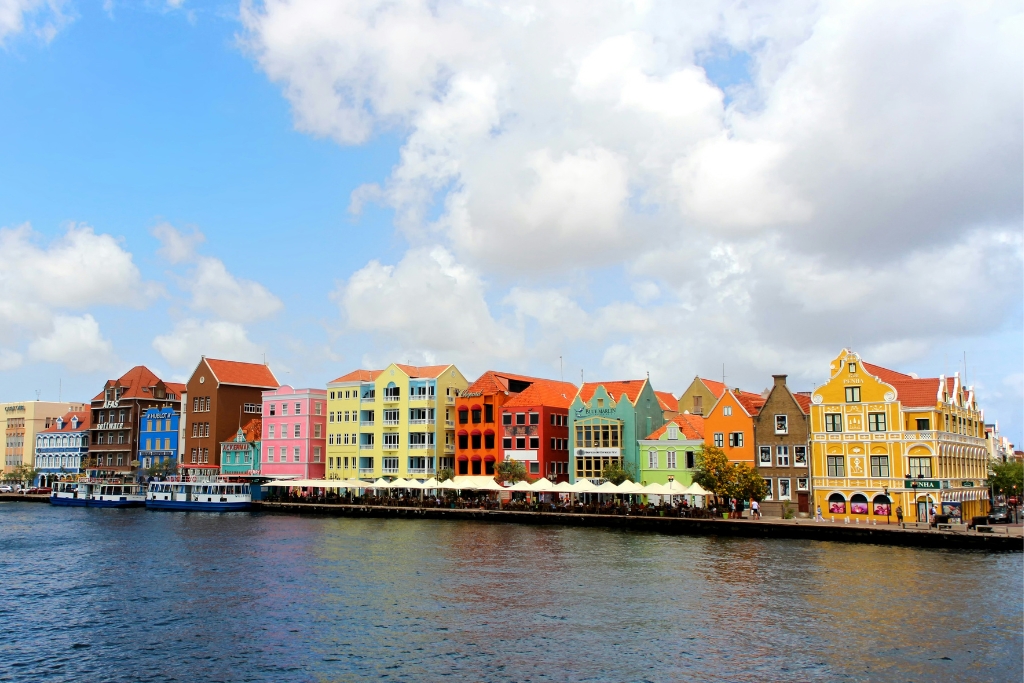
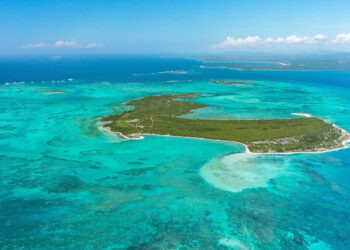
If the mention of Curaçao conjures images of electric-blue drinks complete with straws and umbrellas, you’re not too far off the mark: the island’s famous orange liqueur is often dyed to match the bright sapphire hue of the sea that surrounds the island. But blue isn’t the only color on display on Curaçao: from trendy Pietermaai to historic Punda and elegant Scharloo, buildings are alive with vibrant shades of ocher, emerald, rose, periwinkle and turquoise. Add to that the dozens of murals that decorate walls, staircases and businesses and you’ve got an island wrapped in a rainbow.
Where to Stay
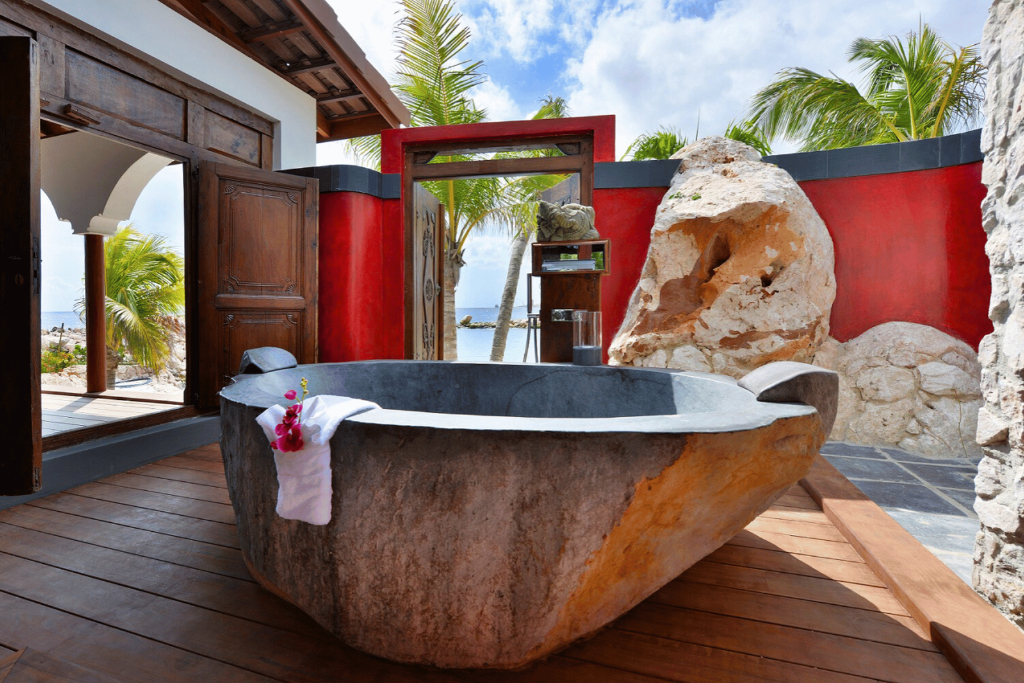
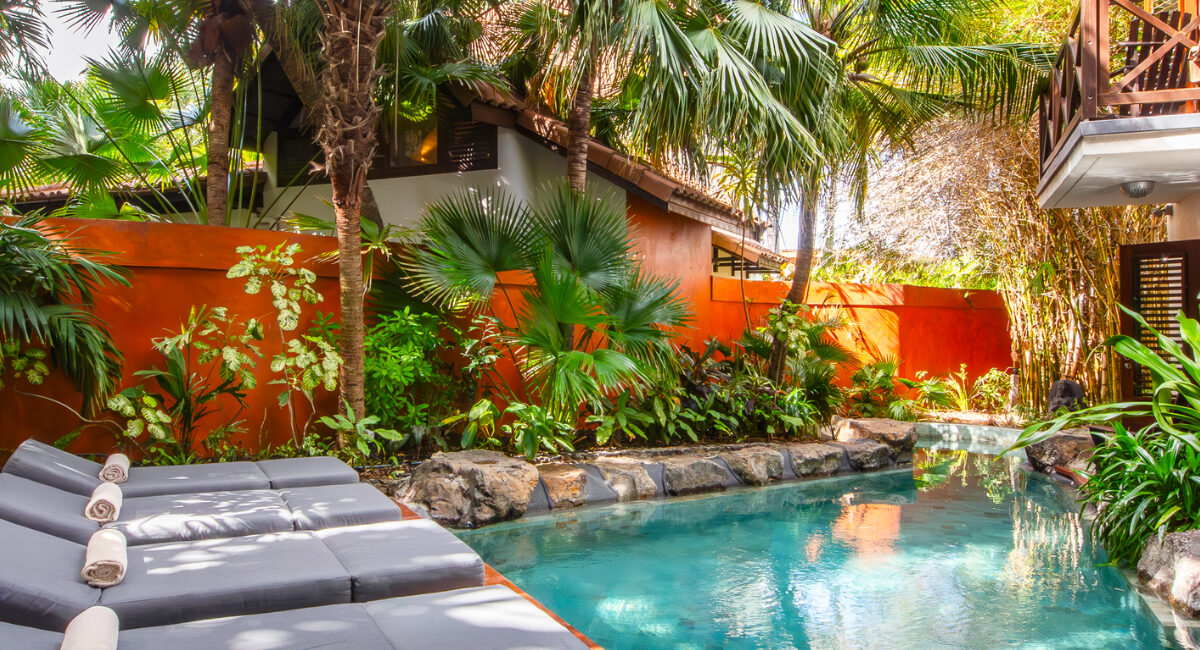
Baoase Curacao is set on a gorgeous private beach with water so calm that, at night, dinner tables are placed on the edge of the sea and lighted by candles.The resort also has its own private island, an indulgent Balinese-inspired spa and suites with oversized stone bathtubs set within private walled gardens.
Where to Eat
At Michelin-mentioned BijBlauw, lobsters, fish and even steaks are cooked in a special charcoal oven that infuses the dish with all that good smokiness but without all the work. There are also salads, ceviche and great cocktails. Not sure what you want to eat? Head to Kome, where whatever you choose will be infused by a twist of delicious creativity, from the roasted Brussels sprouts that are spicy with chili but sweet with a lemongrass honey glaze to the jerked pork steak with a Dark & Stormy glaze.
What to Do
Curaçao’s murals aren’t the only place to see the work of the island’s artists: galleries such as Gallery Alma Blau is located in the 18th-century Landhuis Habaai mansion and is filled with the work of artists from all over the Caribbean; Renate Rolefes paints and sells color-drenched paintings from her stdio in Punda.
Insider Tip
Snorkeling in Curaçao is top notch, so bring your gear or plan to rent it while you’re on the island.
Cinque Terre, Italy

Cinque Terre, an area encompassing five small towns (Monterosso al Mare, Vernazza, Corniglia, Manarola, and Riomaggiore), within Liguria, in the northwest corner of Italy, is as colorful a destination as they come. Considered one of the most beautiful places in the world, the UNESCO World Heritage site overlooks the sea. A stay here provides visitors with unforgettable glimpses of the azure waters below, though really, a swim in those waters is a must because looking back at the colorful hillside is the best view. The homes here are painted in a lovely spectrum of pastels, including pinks, blues, greens, and more.
Where to Stay
Located in Manarola, La Torretta Lodge gives guests a front-row seat to both the color-drenched coastline and the sapphire-blue Ligurian Sea. Book the duplex suite and you can see it all from your tree-shaded stone terrace.
Where to Eat
You’ll need to book ahead to get a terrace table at Trattoria dal Billy, but the glorious views and simply prepared fresh local fish is well worth the extra planning. Michelin-recognized Fuori Rotta in Riomaggiori serves deeply-flavored ligurian specialties from both the sea and the land; owner Davide is a well-known sommelier.
What to Do
Take time to explore each of the five villages (Monterosso al Mare, Vernazza, Corniglia, Manarola, and Riomaggiore), each of which boast their own unique charms. In Vernazza, you can hike up to the Doria Castle for panoramic views of the village and the surrounding landscape.
Insider Tip
Given that it’s one of the most colorful places in the world, Cinque Terre is a popular destination for photography. This includes images of the city itself, portraiture, and beyond. For the best shots, set out in the early morning when the light is soft, or aim to take pictures at dusk as the sun sets. Tourist crowds are also thinner around these times of day.
Rainbow Row in Charleston, South Carolina
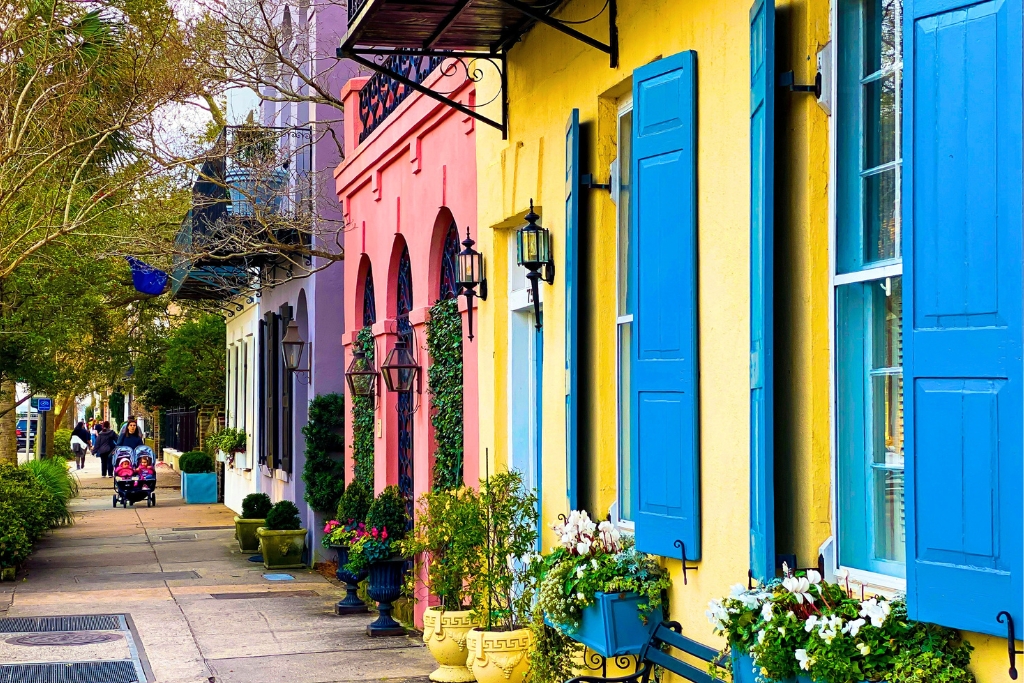
Take a stroll down Rainbow Row in South Carolina. Though it’s a short stretch of just 13 homes, it will still leave you feeling happy at the end. The pastel-colored homes can be found on East Bay Street and are each historic gems. The homes were first constructed around 1740 and were used by merchants. The area became rundown following the civil war, but in 1931, Dorothy Porcher Legge and her husband, Judge Lionel Legge, purchased the section of houses on East Bay Street. They painted the first bright pink, and their neighbors followed one by one joining the upbeat trend.
Where to Stay
Stay close to Rainbow Row by booking a few nights at The Loutrel, an upscale boutique hotel just steps away.
Where to Eat
Charleston’s food scene has inspired not one but two annual food festivals; not surprisingly, you’ll need to book ahead. It’s hard not to be charmed by the handwritten menu of French specialties that appear each day at Chez Nous, which is housed in a historic home in the Cannonborough neighborhood. At Lowland, Chef Matt Dion makes ordering a challenge: the fancy dishes are somehow creative yet approachable, but, damn, the burger looks good too.
What to Do
Charleston is so beautiful it’s been called a garden set within a city. Bikes are one of the best ways to explore the peninsula — after winding your way through the city’s cobbled streets or over the Arthur Ravenel Bridge, grab sandwiches at Berkeley’s or cheese and charcuterie at Goat Sheep Cow and make your way to Hampton Park, which was designed by Frederick Law Olmsted’s sons.
Insider Tip
On Saturday mornings from April through November, Marion Square is the site of one of the most colorful farmers markets around. Bring your appetite and plenty of shopping bags.
Chefchaouen, Morocco

Get the blues — in the best way possible — by visiting Chefchaouen. Easily one of the most beautiful cities in the world, Chefchaouen is located in the Tangier-Tetouan region of Morocco. It’s not exactly a destination that’s easy to get to (it’s two hours from Tangier and more than three from Fez), but the journey’s well worth seeing the spectacularly blue-hued buildings. There’s really nothing else like it in the world.
There’s no clear answer as to why the streets here are blue, but just because its history is unclear doesn’t mean it’s not worth a visit. Come here to walk the streets and buy plenty of souvenirs, including local pottery and art, along the way.
Where to Stay
Set on a high bluff overlooking the medina, Dar Jasmine offers guests an enthralling view of the Blue City, either from their rooms, the breakfast terrace, or the gorgeous pool.
Where to Eat
Take a bit of extra time to explore dar Cherifa before sitting down to updated Moroccan classics–constructed in the 16th-century, it’s one of the oldest riads in the Mouassine neighborhood.Done up in every shade of blue, Cafe Restaurant Sofia serves pristine Mediterranean-inflected fare in a casual environment.
What to Do
This “Blue Pearl” of Morocco has so much to offer. Get your steps in by climbing to the top of the Spanish Mosque (your reward is panoramic views of this colorful city), check out the local markets, artisan workshops, and souks, and pamper yourself at a local hammam with a traditional Moroccan spa experience.
Insider Tip
While the saturated blue medina makes this destination one of the most epic places to visit, don’t shy away from perusing the quieter, less touristy areas of the city. You’ll find that the blue alleys extend beyond the main streets and provide a more authentic glimpse into local life.
Balat (Istanbul), Turkey

Eager to immerse yourself in one of the most colorful places in the world? Istanbul is filled with historic gems, but none quite as colorful as the neighborhood of Balat. Here, visitors will find old-school cobblestone streets and 200-year-old wooden houses painted in every color you can imagine.
The neighborhood is one of the city’s oldest, but it’s quickly becoming one of its hippest, with more than its fair share of sleek cafes that are ready to pour you a Turkish coffee and pair it with a sweet Turkish delight.
Where to Stay
The 18-room Casa Foscolo is fresh from a full renovation overseen by Emre Kuzlu, who integrated 19th-century architectural features including original brickwork and a marble staircase into a thoroughly contemporary design.
Where to Eat
Agora Meyhanesi 1890 was actually founded in 1890 and has been in the same family ever since. You’ll want to fill up on mezze at this one toque Gault & Millau restaurant, but save room for mains, particularly the vine leaf-wrapped sea bass, which emerges moist and flavorful.
What to Do
Take time to meander through historic Balat’s charming cobblestone streets, which are adorned with colorful Ottoman-era houses. We also recommend visiting Phanar Greek Orthodox College (the oldest Greek Orthodox school in Istanbul that’s still standing) to admire its incredible architecture, and strolling along the Golden Horn waterfront for gorgeous views of the city skyline.
Insider Tip
When in Balat, eat like the locals. You can’t miss trying a traditional “simit”— sesame-covered bread rings — from street vendors. And while you’re at it, consider nibbling on all the street food you can. It’s some of the best in the world.
Featured image courtesy of Baoase Curacao. Travel Curator may earn a commission from booking links on this page.