Hotel design has officially moved past the era of trying too hard. “In times of uncertainty, hospitality spaces become places of reassurance,” says Julia Uherek, vice president of Consumer Goods Fairs at Messe Frankfurt. “We see a clear shift from spectacle to substance — from visual statements to emotional resonance.”
I traveled to Frankfurt, Germany, to attend Ambiente, one of the world’s largest sourcing fairs for design and decor, specifically to report on what’s next in hotel interiors. The show brings together designers, manufacturers, hoteliers, and brand leaders shaping the products and ideas that eventually filter into five-star properties — and, increasingly, into residential spaces. It offered a clear view of where hospitality design is heading and which concepts are moving from trend to long-term investments.
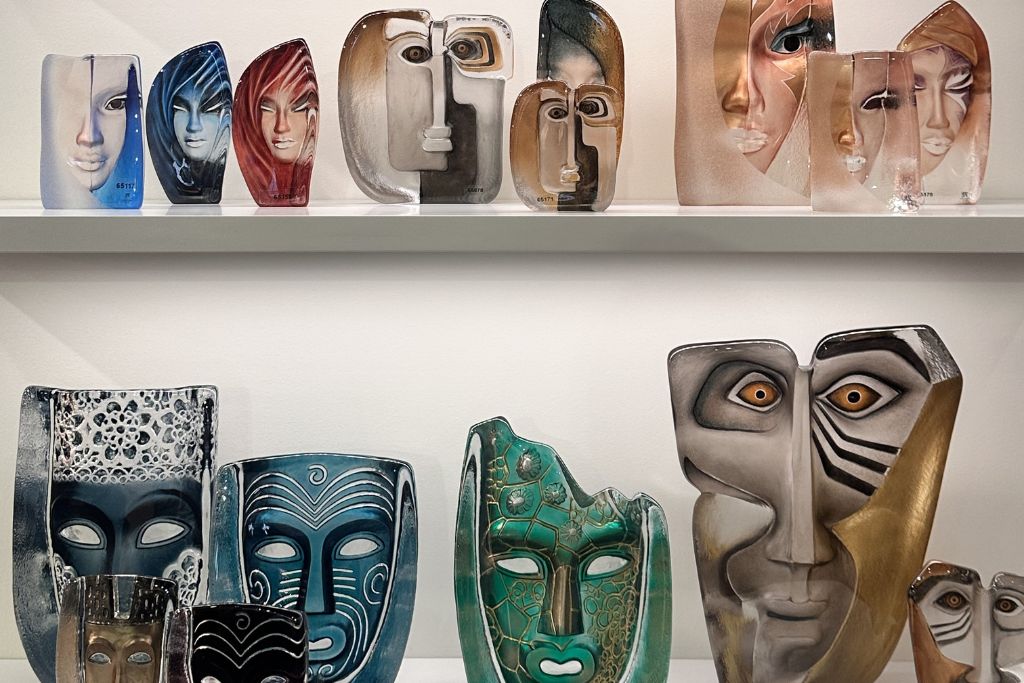
That shift is visible everywhere: less emphasis on iconic statement pieces, more cohesion, material continuity, and proportion. Interiors are designed to feel stable and grounded, where comfort, atmosphere, and how a space is actually lived in are prioritized. Hotel suites are transforming into apartments. Over-designed lobbies are fading, replaced by public areas that feel calmer, warmer, and quietly luxurious. This is done with purpose: to make guests feel calm the moment they arrive. Materials are softer, lighting is layered rather than dramatic, and furniture is chosen for how it’s used, not just how it photographs. The goal now is to make you feel settled the moment you walk in.
What’s changing most is how closely hotel and residential design are starting to mirror each other. Many of the ideas shaping five-star hotels — layered lighting, tactile materials, flexible layouts, in-room product elements — translate directly into residential spaces. “The key is not luxury as extravagance,” Uherek explains, “but comfort as a design principle.” Adjustable lighting, matte finishes, modular pieces, and natural textiles are replacing glossy surfaces and fixed functions. The best hotels are borrowing from the idea of home — spaces that feel personal, adaptable, and lived in — while homes are increasingly taking cues from five-star hospitality (we’ve been adapting our bedrooms to five-star stays for years).
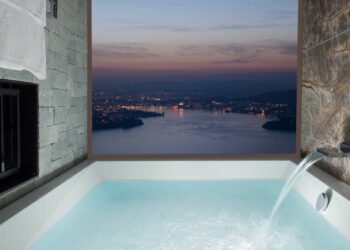
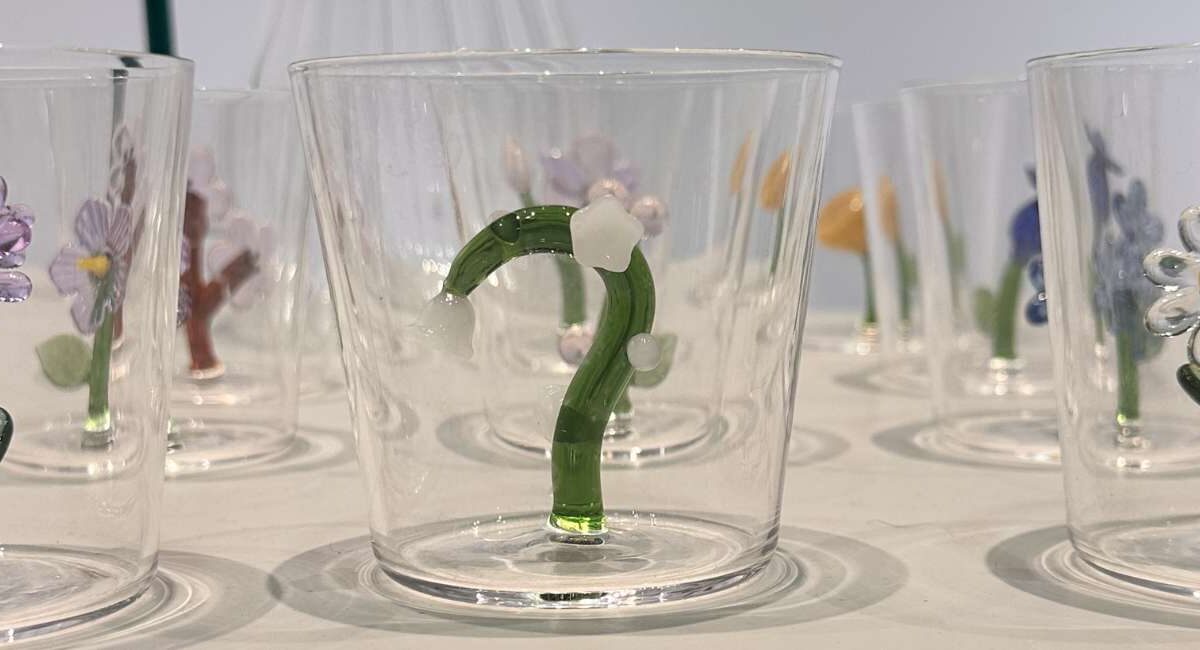
Expect to see more spa-inspired bathrooms, modular furniture, subtle zoning within rooms, and thoughtful details that prioritize ease. Texture is replacing trendiness, and comfort is no longer treated as an upgrade. Restorative interiors are increasingly defined by matte finishes, tactile ceramics, solid woods, natural fibers, and subtly reflective metals like brushed aluminum or soft silver tones. Rather than chasing novelty, the focus is on longevity and sensory balance — spaces that age well rather than date quickly.
All of this matters because it goes beyond the hotel. As the infamous Miranda Priestly once said in The Devil Wears Prada, “You think that you’ve made a choice that exempts you from the fashion industry when, in fact, you’re wearing the sweater that was selected for you by the people in this room…” And so, Ambiente, a global sourcing show where designers, hoteliers, retailers, and thousands of brands come together, I was able to get a clearer sense of what’s actually influencing hotel design right now — and how those ideas are quietly reshaping the way people think about their own spaces because we all want our homes to feel as intentional and restorative as a great hotel stay.
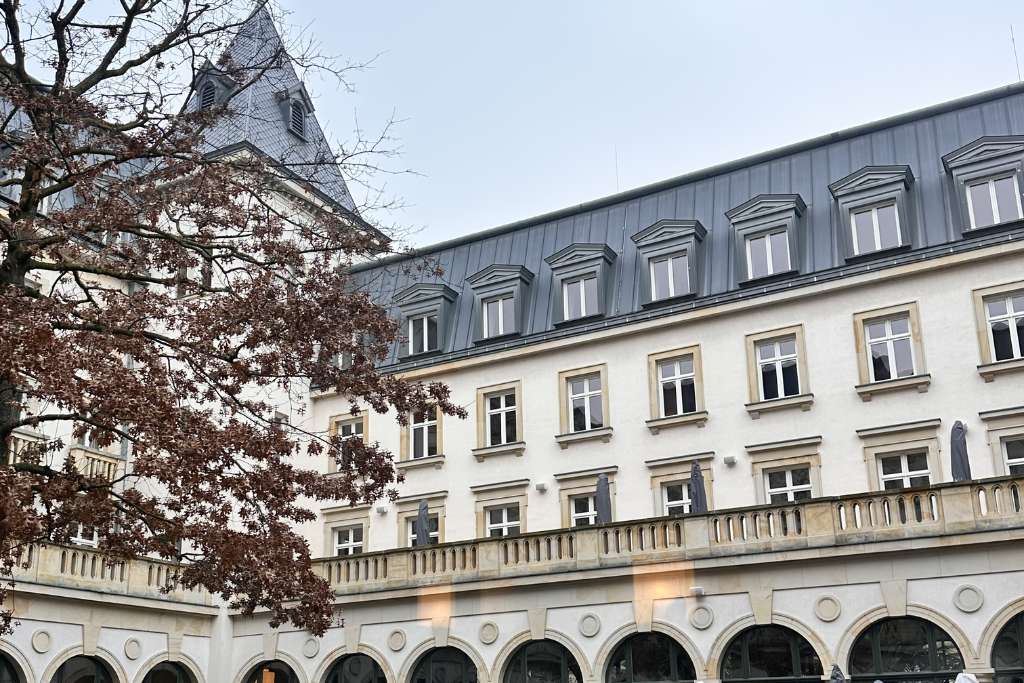
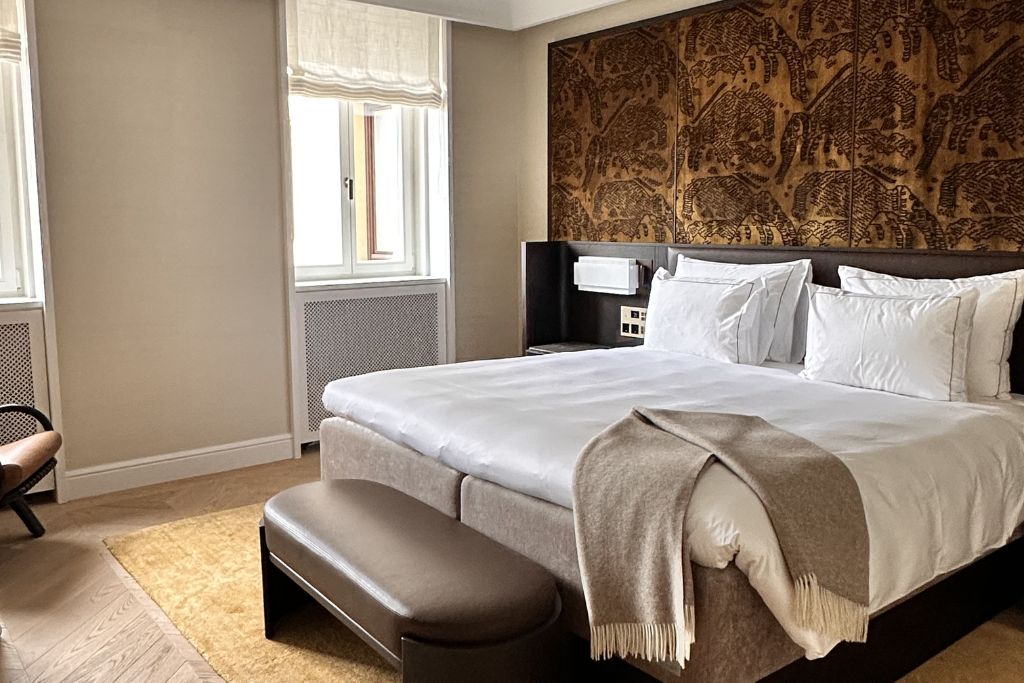
Take, for instance, The Florentin, an Althoff Collection, where I stayed while covering the show. Set on the former grounds of the historic Villa Kennedy estate, the property includes nine distinct villas (in the old home and 140 keys in the hotel) — each inspired by personalities who once lived in, or were entertained at, the original residence — giving the hotel a residential rhythm rather than a traditional hospitality feel. The interiors were created by Singapore-based studio Unscripted Design, whose team members have previously worked on projects including Aman Tokyo, and that influence shows in the calm, restrained sensibility of the spaces. The design reflects the broader shift happening across luxury interiors: calm without feeling sparse, layered without tipping into decoration for decoration’s sake. Nothing felt over styled. Instead, the spaces were grounded, comfortable, and lived in — exactly how I’d want my home styled — with furnishings and interior details you could easily imagine in a well-designed home rather than a staged hotel suite.
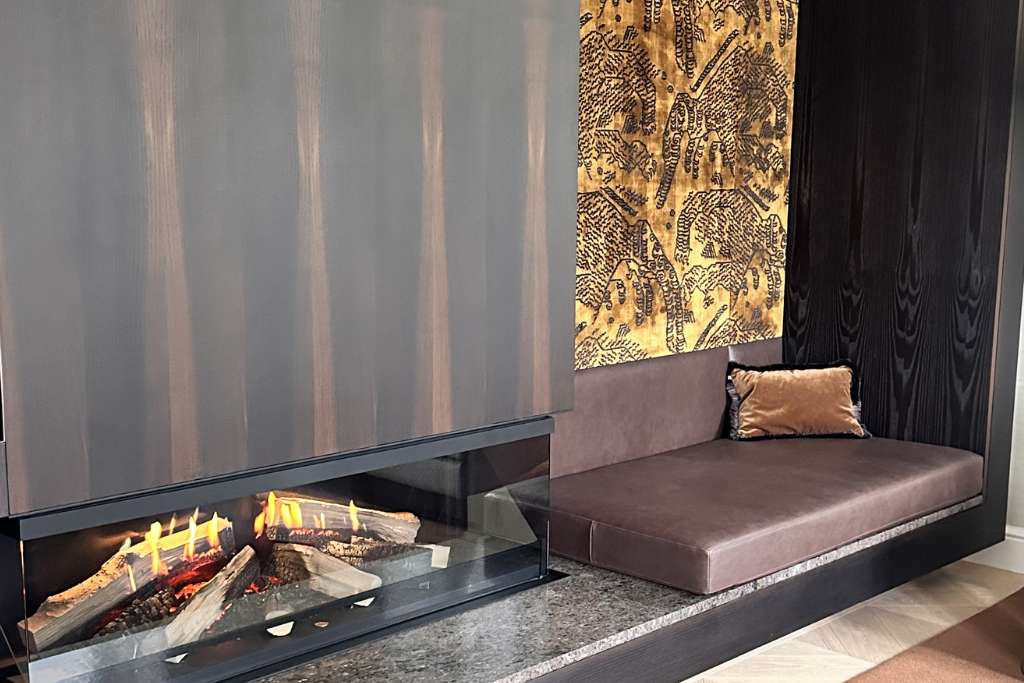
What stood out most was how seamlessly comfort was integrated into the experience. A holographic fireplace added warmth and atmosphere without dominating the room, and the amenities leaned toward thoughtful familiarity rather than novelty — small details that quietly echoed the comforts of home while still feeling elevated. The result was a space that felt intentional and restorative, exactly the kind of environment hoteliers are trying to create now: one that doesn’t impress through excess, but through ease.
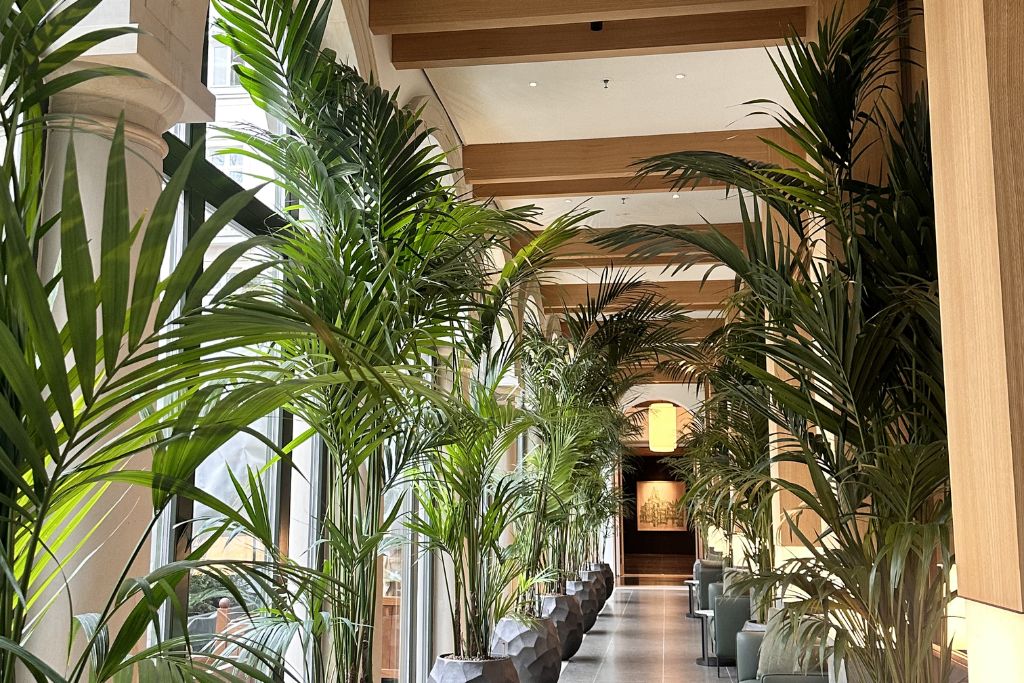
The same principles that make a stay feel genuinely restorative — balanced lighting, thoughtful layouts, materials you actually want to touch, things you want to add to your room — are increasingly being applied at home. It was a space that felt intentional, comfortable, and genuinely good to live in.
Walking the halls at Ambiente, it quickly became clear that this shift isn’t theoretical — it’s already happening. The loudest ideas weren’t actually loud at all. Instead of dramatic statement pieces or trend-driven installations, many of the most compelling spaces felt restrained, intentional, and quietly confident. The emphasis was on materials, proportion, and how people physically move through a space rather than what immediately grabs attention.
Uherek describes it as a recalibration happening across hospitality design. “Hotel design is moving away from spectacle toward atmosphere,” she explains. “Instead of iconic statement pieces, we see more cohesive, residential-feeling spaces that prioritize material continuity, proportion and comfort over visual impact.” The trend directions presented at Ambiente reflected that evolution clearly — interiors built around longevity, adaptability, and emotional comfort rather than visual performance.
What stood out most was how realistic these ideas feel for everyday life. Many of the same principles shaping five-star hotels are surprisingly accessible at home, and Uherek believes this crossover will continue. Layered lighting, for example, was everywhere — warm, adjustable sources replacing the single overhead fixture. Matte surfaces, tactile ceramics, natural textiles, and subtly reflective metals created depth without excess. “The key is not luxury as extravagance,” she says, “but comfort as a design principle.”
Looking ahead, restorative interiors are expected to become even more refined. Uherek points to material restraint and sensory balance as defining characteristics of what comes next. “The most compelling interiors are those that feel thoughtful rather than theatrical,” she notes. Hotels — and increasingly homes — are moving toward reduced yet consistent material palettes that age well: natural fibers, solid woods, brushed aluminum, and finishes that feel calm rather than attention-seeking. Technology is also becoming quieter, integrated into lighting, acoustics, and climate control so that comfort is felt rather than seen.
The biggest takeaway from Ambiente wasn’t a single color or trend forecast; it was a mindset. Hospitality design is being shaped by how spaces support wellbeing — through texture, light, sound, and flexibility — rather than how loudly they announce themselves. As hotels continue to evolve into places designed for recovery as much as experience, the lines between residential and hospitality design will only continue to blur.
And that may be the real future of hotel design: not spaces that try harder, but spaces that make you feel better — because they don’t demand attention at all.
Feature image courtesy of Deanne Kaczerski.