Portugal is most certainly a tiny nation. If one were inclined to compare it to a U.S. state, Indiana is the closest match, size wise. But within that small area, there’s incredible density and diversity: varied landscapes, of course, but also layers of history, with Roman and Moorish traces topped with imported treasure from the Age of Discovery, vestiges of Napoleonic rule, and 20th-century styles. Every town has its own traditions and recipes, its distinctive music and customs.
While an influx of tourism in Lisbon and Porto is leading some to worry that those cities are losing their soul, that Portuguese soul is alive and well in its smaller cities, vibrant towns, and historic villages. (“Cities,” “municipalities,” and “villages” all refer to specific governmental structures, but we’re using them interchangeably to denote places low in population but high in charm.) These are places where history breathes, where time slows down, and lunch lasts for hours.
And so, while it’s technically possible to drive from the northern border with Galicia, Spain, to the southern Algarve coast in about seven hours, doing so would mean missing much of what makes this country great. Hurrying makes no sense here. Rather, the country rewards lengthy, meandering stays and a willingness to venture off the beaten path. Lisbon and Porto are still worth a visit, but consider them a starting point. This is your invitation to visit the small places — listed here from north to south — that will have you falling in love with this country all over again.
VIANA DO CASTELO
Just south of the Spanish border, Viana do Castelo is arguably the most beautiful small city in northern Portugal. The historically wealthy city is defined by its elegant 17th-century townhouses and religious buildings alongside the cobblestone streets in the historic center, the beautifully maintained parks alongside the Lima River, and the imposing Santuário de Santa Luzia, on a hilltop above it all. It also serves as an excellent base for exploring the virtually untouristed Minho region, including the best producers of vinho verde wine, picturesque villages like Ponte de Lima, and the waterfalls and mountain trails of the Peneda-Gerês National Park. Book a stay with Portugal Active, a young company that specializes in soft adventure travel paired with luxurious accommodations in serviced private villas.
AVEIRO
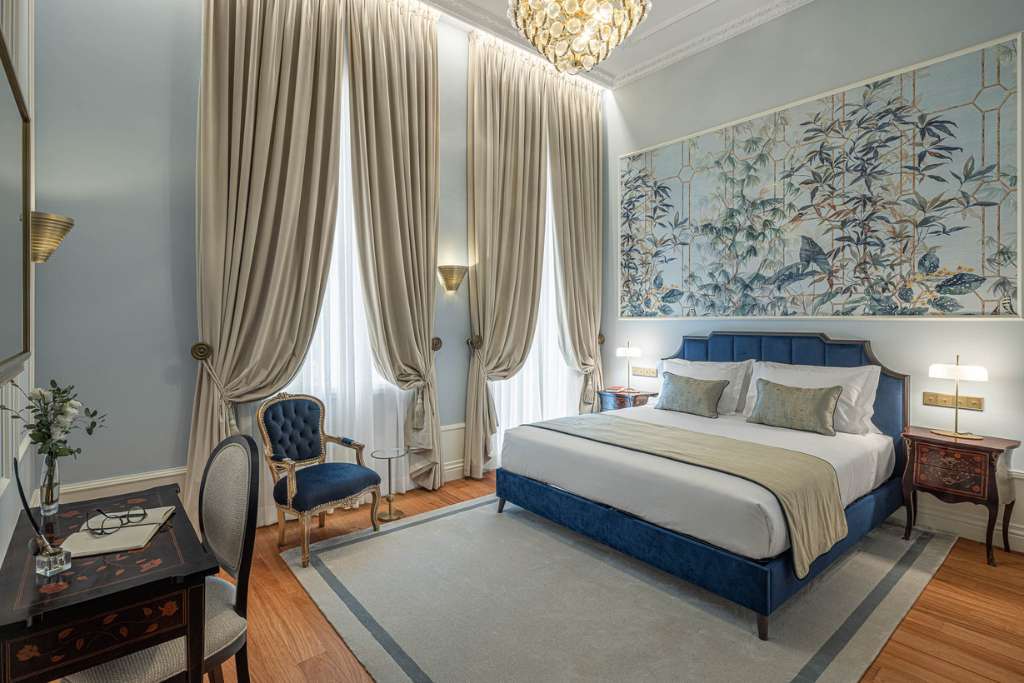
The “Venice of Portugal” comparisons are more marketers’ fantasy than actual fact, but the small city of Aveiro is distinguished by its network of canals and the colorful mocileiro boats that ply them. The historic center is also home to a number of lovely Art Nouveau buildings (as well as a museum that celebrates them), and a short drive away, Costa Nova Beach is home to the adorable striped beach houses that have spawned thousands of Instagram posts. The new MS Collection Palacete de Valdemouro, the city’s first five-star hotel, pays homage to native son Eça de Queiroz, one of the most beloved figures in Portuguese literature, and includes a restaurant signed by multi-starred chef Rui Paula.
NAZARÉ
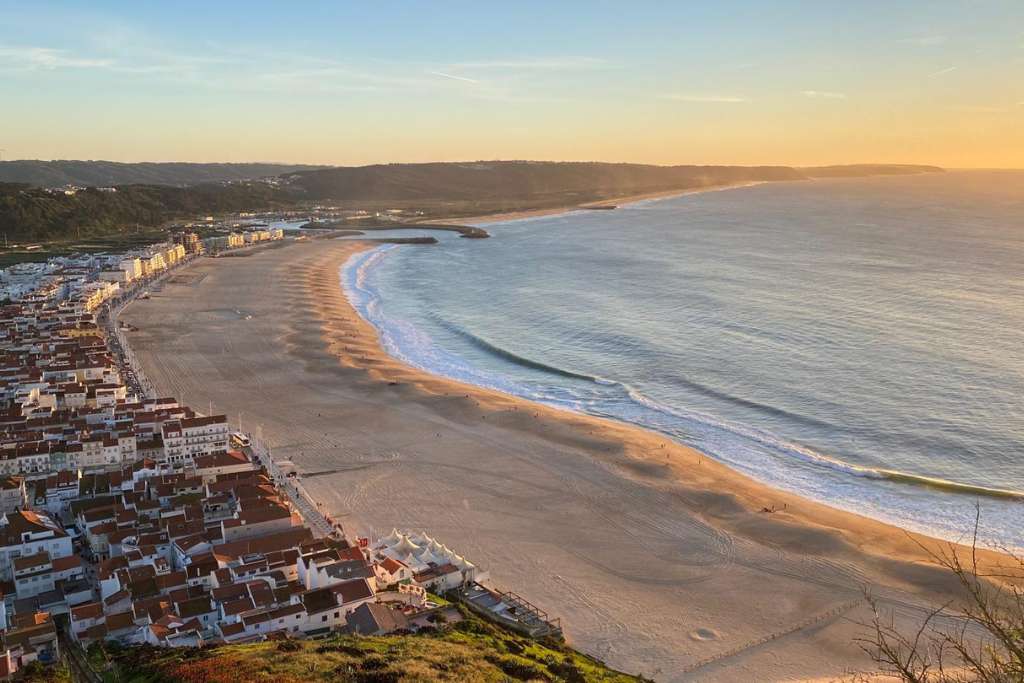
To feel the full force of Mother Nature, make your way to Nazaré. Thanks to its massive waves, the seaside community halfway between Lisbon and Porto has become rather famous. (See, for instance, HBO’s 100 Foot Wave, about the pro surfers who compete on this massive wave.) During the winter storm season, thousands gather around the lighthouse on Praia do Norte to watch the sea and the daredevils who make it their playground; the most curious can also visit the surf museum inside the adjacent fort of São Miguel Arcanjo. While the surf season is short, Nazaré retains its charm throughout the year, thanks to its traditional fishing village culture, historic clifftop village in O Sítio, and sandy half-moon beach. Stay at Hotel Miramar Sul, a solid four-star overlooking the ocean, and dine at Taberna d’Adelia, a standout among the town’s many family-run fish restaurants.
CASTELO DE VIDE
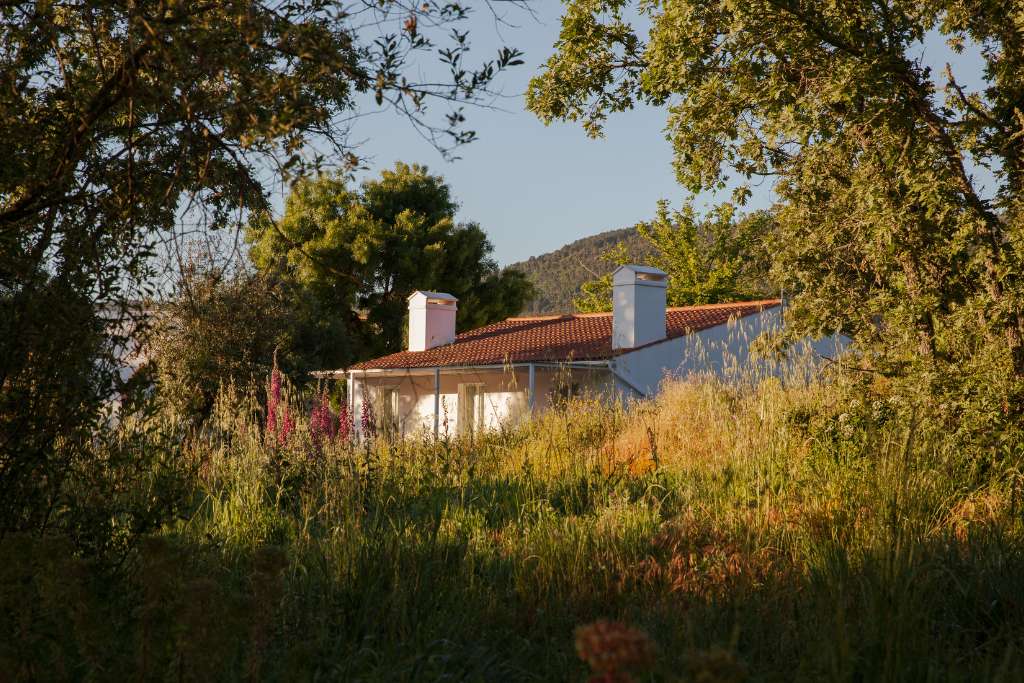
Portugal’s best-preserved medieval town, Castelo de Vide, is home to only about 3,400 inhabitants, but it has many reasons to visit. Its centuries-old Jewish quarter is a capsule of Sephardic history (and the Casa da Inquisição museum offers a sensitive window onto one of the more difficult chapters of that history), and many of its old Gothic buildings are still intact. Near the Spanish border in the Alto Alentejo, it’s surrounded by the Serra de São Mamede mountain range, making it one of the few places in the Alentejo that gets snow in winter; there are also some enticing thermal springs nearby. While there are a number of hotels in the town center, it’s better to combine a day trip to see the medieval history with a quiet retreat in nature. Not too far from town, the brand new A Sociedade Rural is a collection of three artfully decorated houses within a working olive oil estate that share access to organic gardens, a spring-fed swimming pool, and a social area and kitchen that serves locally inspired meals on request.
ERICEIRA
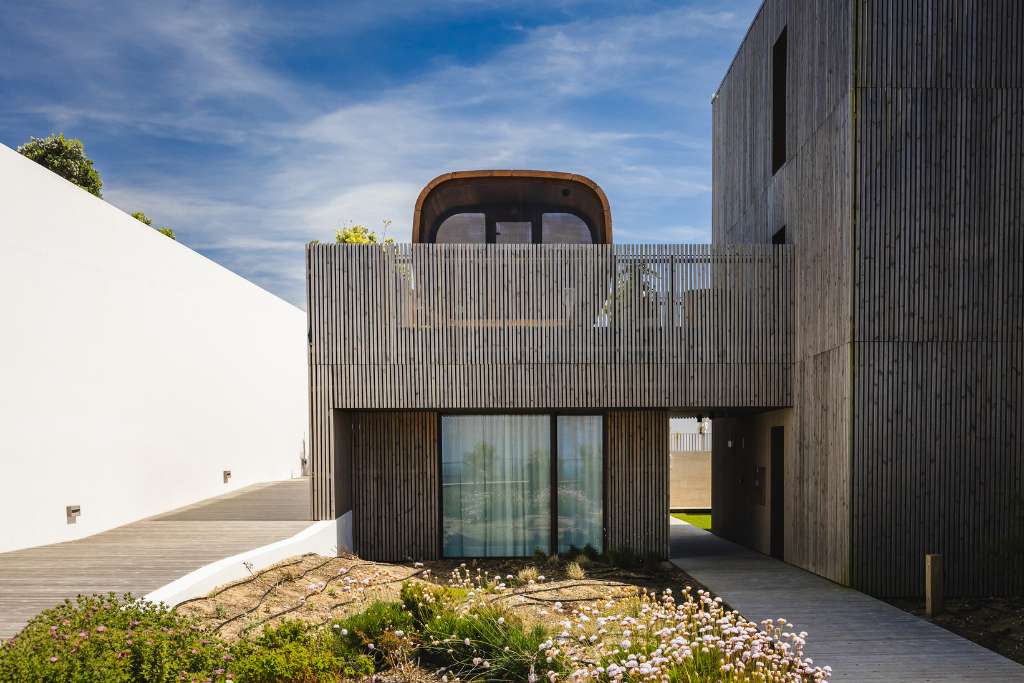
Less than an hour from Lisbon, Ericeira has become the “cool kid” neighborhood that surfers, artists, and expats adore. It’s a feast for the senses thanks to its perch atop the cliffs, which provides your eyes with spectacular views. The historic center is likewise beguiling, with a tree-lined central square surrounded by restaurants and cafés, whitewashed buildings with bright blue accents, and a public library inside a former casino that dates from 1919. Lean into the surfer vibes by taking a lesson with Progress Surf School, which was founded by Ericeira native and champion surfer Joana Andrade, the first and only Portuguese woman to ride the wave in Nazaré. Sample the best of Ericeira on the plate at Costa Fria, where acclaimed Lebanese chef Athanasios Kargatzidis riffs on local flavors, and stay at one of the recent luxury hotels to have sprouted atop the cliffs outside the town, such as the beautifully designed Aethos Ericeira.
ÉVORA
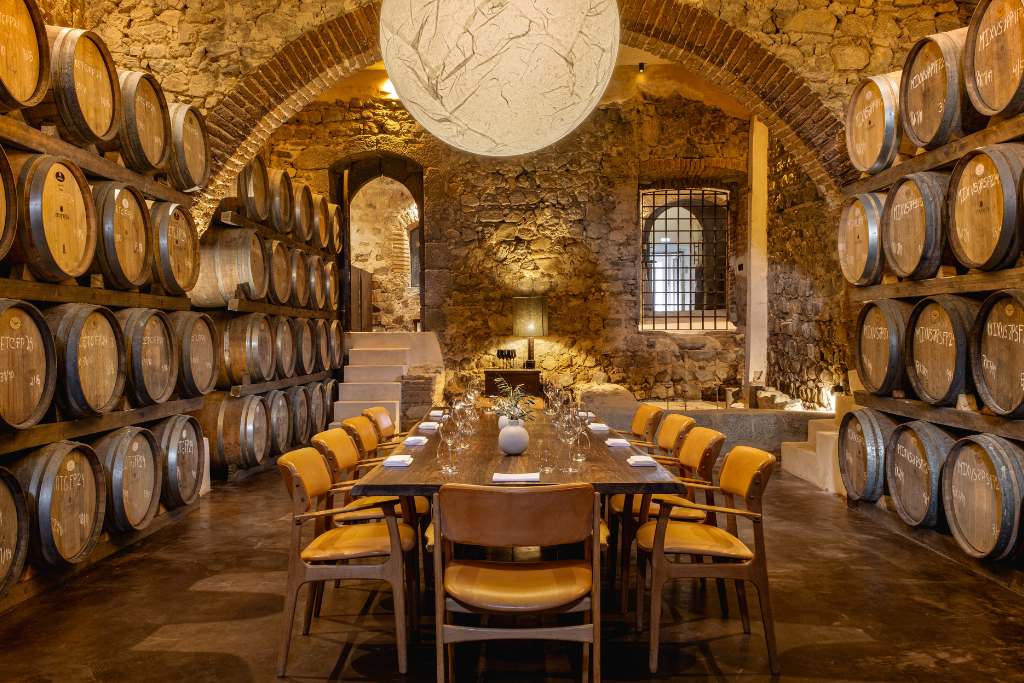
One of the major municipalities in the agricultural Alentejo, Évora, is a history lover’s delight. One of its best calling cards is its perfectly preserved walled old town that is filled with thousands of historic buildings that are now artisan shops, cafes, and charming restaurants. Don’t miss the 13th-century Cathedral of Évora, a Gothic cathedral that will take your breath away, or the haunting Chapel of Bones, whose interior walls are covered and decorated with the remains of former residents. Also, make time to visit the well-preserved Roman temple to Diana, which dates from the early 1st century A.D. Keep with the historic angle and sleep at the Convento do Espinheiro, a luxury getaway with a history that goes back to the 15th century, but also experience the city’s lively contemporary restaurant scene. The Italian-accented Tua Madre is a standout, as is A Cozinha do Paço, the new fine dining restaurant at rockstar winemaker António Maçanita’s Fitapreta winery, a short drive away from the center.
PORTO COVO
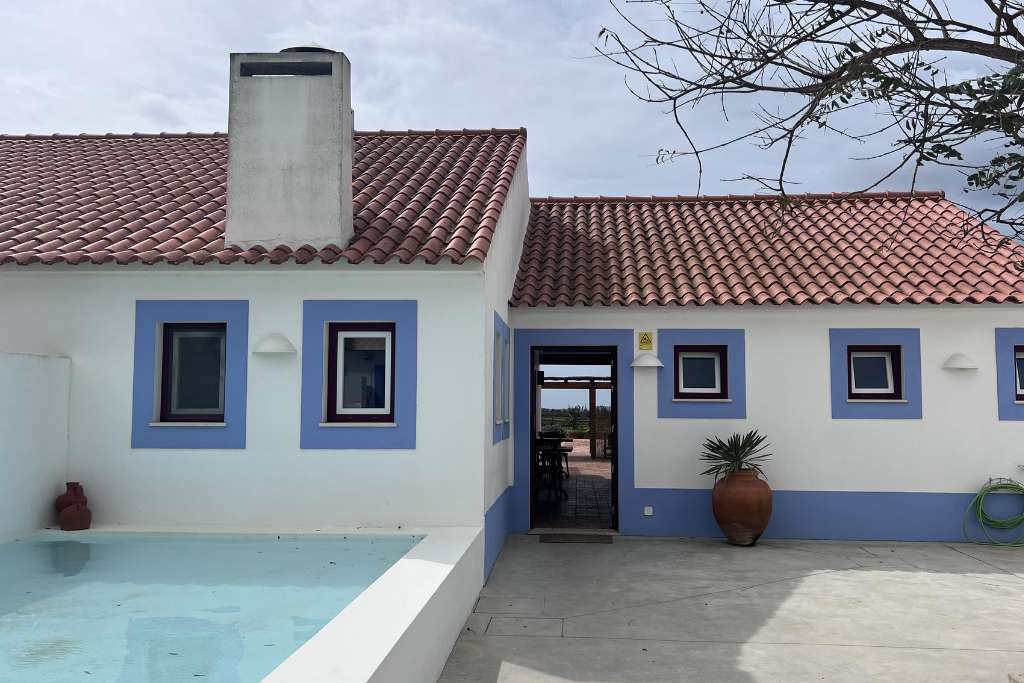
The Alentejo Coast is one of the loveliest regions of Portugal, thanks to its wild, windswept beaches and lack of large-scale development. Particularly well preserved is Porto Covo, a charming fishing village of white houses with blue trim and red terra-cotta roofs. It’s a particularly fine base for exploring the Rota Vicentina, a network of hiking and cycling trails that link the best of the region. It’s also a culinary destination in its own right, thanks to Lamelas, the ambitious tavern-style restaurant from local chef Ana Moura, who worked at fine dining temples like Arzak in Spain’s Basque Country before taking over the restaurant that takes its name from her grandfather and used to be run by her mother (who still works in the dining room today). Stay just outside town at Monte de Bemposta, a delightful rural tourism project right in front of the Atlantic.
MÉRTOLA
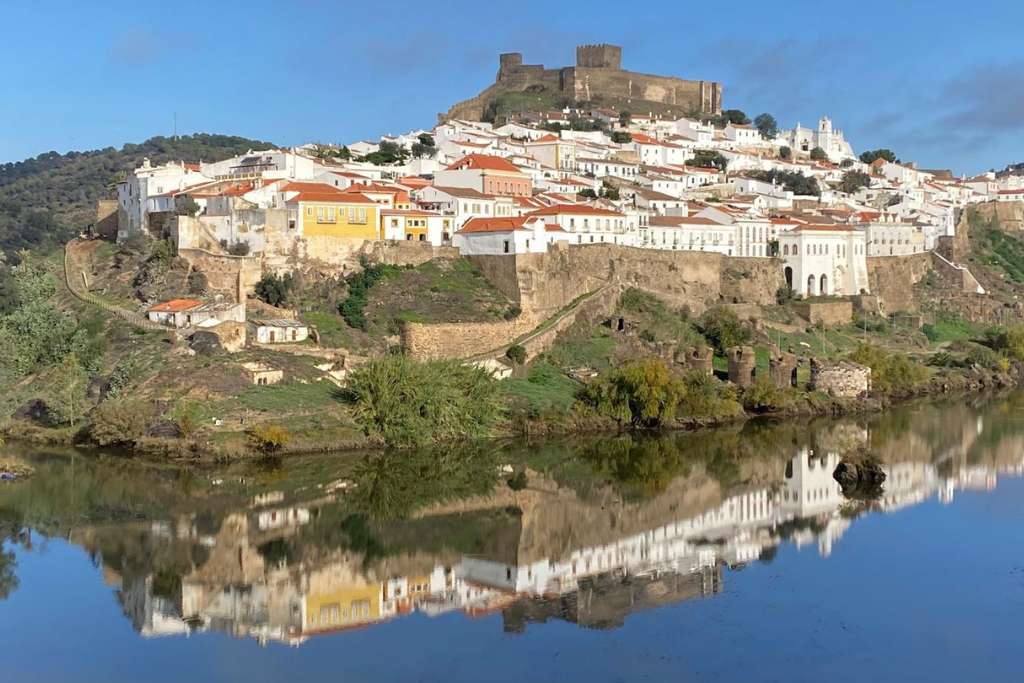
Deep in the country’s southeast, near the border with Spain, Mértola feels more like an open-air museum than a town. Its ancient whitewashed streets are spread across 14 distinct museum sections that combine Roman, Moorish, and Christian history. There’s an impressive 13th-century castle, a mosque-turned-church, Roman ruins beneath the town hall, and the Islamic Museum, which houses one of the most important collections in Portugal. It’s also home to the biannual Islamic Festival of Mértola, one of the most unique events on the Islamic culture calendar in Europe, and a celebration of the town’s history at the crossroads of the Alentejo, Al-Andalus, and North Africa. Culture aside, its location within the natural park of the Guadiana River valley also gives it access to excellent hiking, birdwatching, and boat trips. Stay at Quinta do Vau, an intimate, cozy guesthouse across the river that has excellent views of the castle and village below.
ALJEZUR
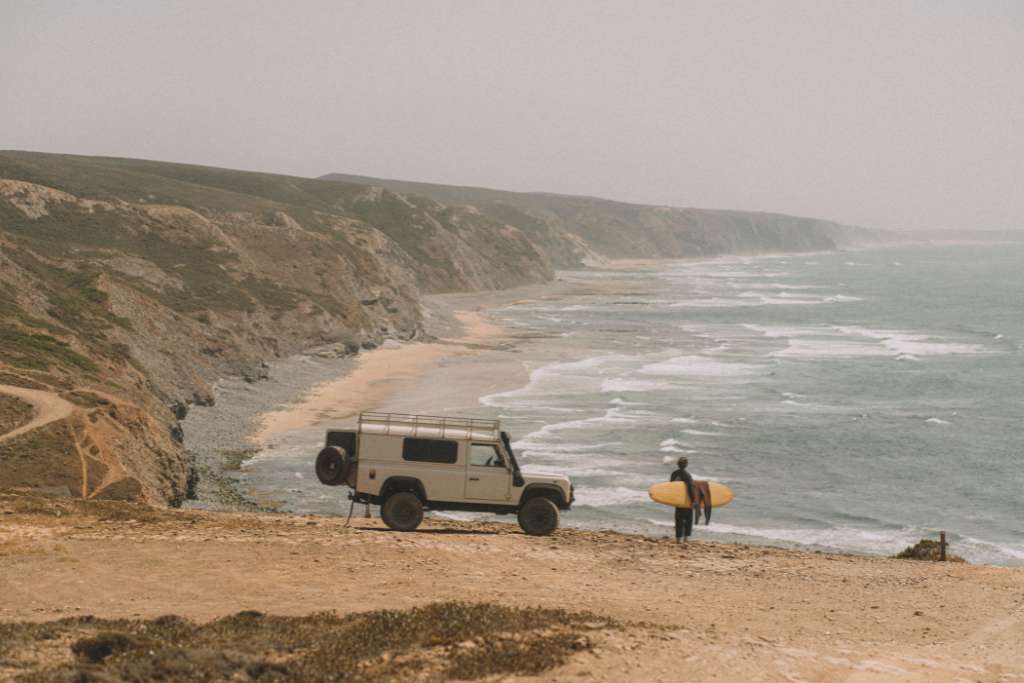
The spiritual heart of the Costa Vicenta — the wild coastline of the far western Algarve — Aljezur has a bohemian vibe. The narrow streets are beautifully crumbling but full of charm, an impressive castle stands atop the hill, and enticing beaches are just a short drive away. With their cold temperatures and strong waves, their waters are best for surfing or simply appreciating, meaning that most of the folks in search of easy beaches have gone elsewhere. Aljezur attracts in-the-know Portuguese, transplants from northern Europe who’ve embraced a slow-living ethos, and the surf-and-yoga-retreat set. Stay at Amaria, an homage to the owner’s mother and the sea, with 11 cozy accommodations, communal living areas, and a saltwater infinity pool. It puts out a great breakfast, full of organic products from the farmers next door, but for other meals, you’ll want to head out. Cal Arrifana is a destination restaurant from hometown chef Susana Felicidade, who’s put together a menu of classic dishes like roasted octopus with the famous local sweet potatoes, along with veggie options like grilled portobello sandwiches.
TAVIRA
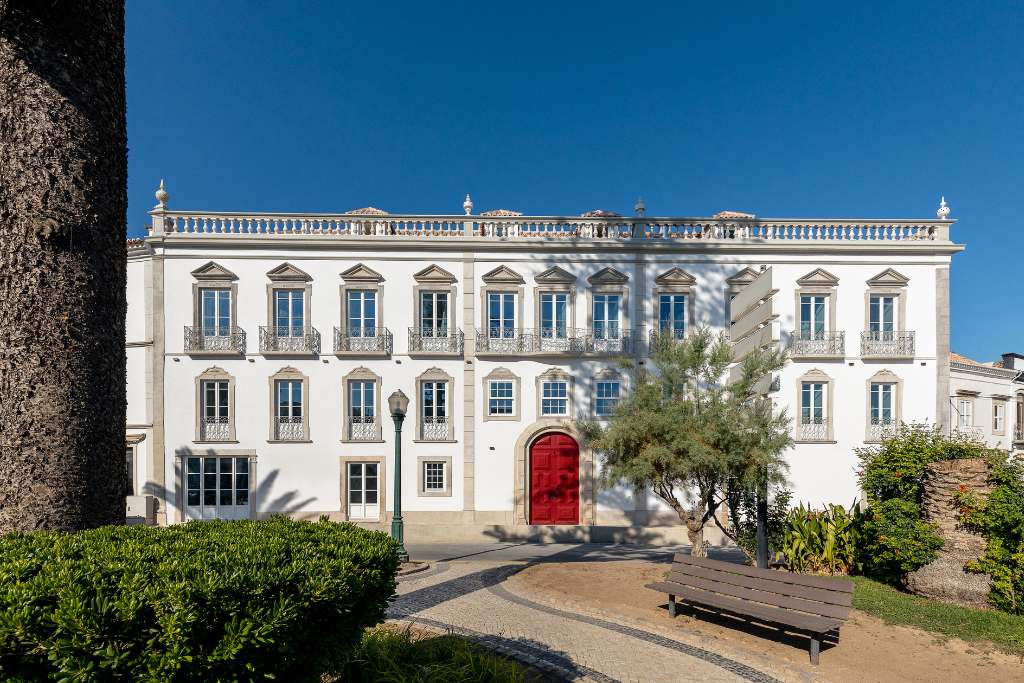
Much of the Algarve has been over aggressively and haphazardly developed, but one of the last holdouts is the quaint community of Tavira. The beachside town is located only about 25 miles from the Spanish border, making it a prime spot to see both Portuguese and Spanish influences in the art, architecture, and culture. Here, you’ll find whitewashed buildings with red terra-cotta roofs, alongside historical landmarks like the Igreja de Santa Maria do Castelo. As for beaches, you’ll find plenty of sugar-sand shoreline butting up to crystalline seas, but pay special attention to Barril Beach, home to the Cemetery of Anchors. The art installation includes hundreds of abandoned ship anchors that pay homage to the tuna industry that once thrived in the area. Spend a few nights at the intimate Palácio de Tavira, which occupies an 18th-century palace in the heart of the village, and dine at Mesa Farta, the elevated casual restaurant from chef João Viegas, who passed through the multi- starred kitchens of El Celler de Can Roca in Spain and Central in Peru before returning to his native Tavira to work with essentially Algarvian products.
Feature image by João Seabra. Travel Curator may earn a commission from product or booking links on this page.