I’ve been to The European Fine Arts Fair (TEFAF) in the Dutch city of Maastricht often enough to know that it takes an action plan to navigate the fete’s sheer abundance. Teetering into Maasstricht’s vast convention hall (the size of seven soccer fields) on its VIP preview day, I have my must-see list in hand: An incandescent painting by Impressionism’s queen Berthe Morisot, a self portrait by Rembrandt, and an early Diego Velazquez. Wearing heels I’ll likely regret by the end of the day, I step into the extravagant milieu, stopping just a moment to marvel at the tableau — like a sprinter at the starting line. Rich with design flourishes nearly as spellbinding as the staggering 35,000 masterworks shown by more than 250 of the world’s most peerless galleries, this prestigious, first-in-class showcase for dealers astounds me every time.
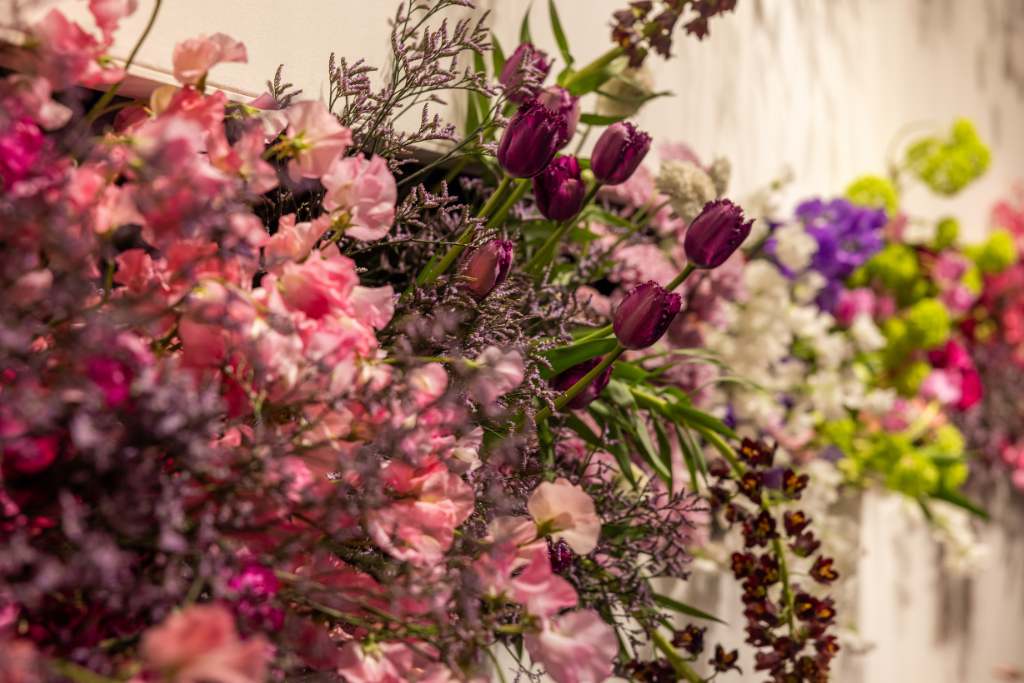
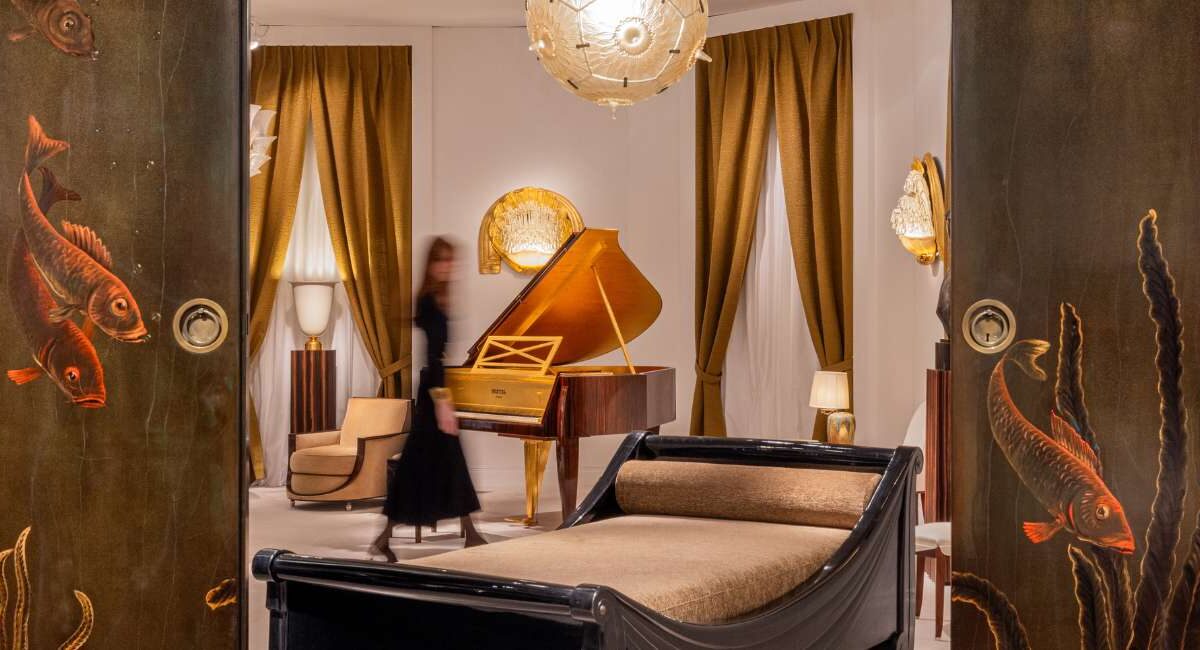
Like an assemblage art piece itself, the convention center’s adornment adopts the fair’s creative spirit. Consider 25,000 fragrant roses lining the walls at the entrance one year, or a Vermeer-like checkerboard floor in the foyer, another time. This year, a wall of flowers sets a mood. But, that’s nothing compared to the artistry of the carefully chosen exhibitors, who transport their own shop and its unique ambiance to the borrowed space within the convention hall. With treasures that span more than 7,000 years, the world’s top international galleries beckon, each kitted out to evoke its home base, whether Paris, New Orleans, or Antwerp.
What You’ll See
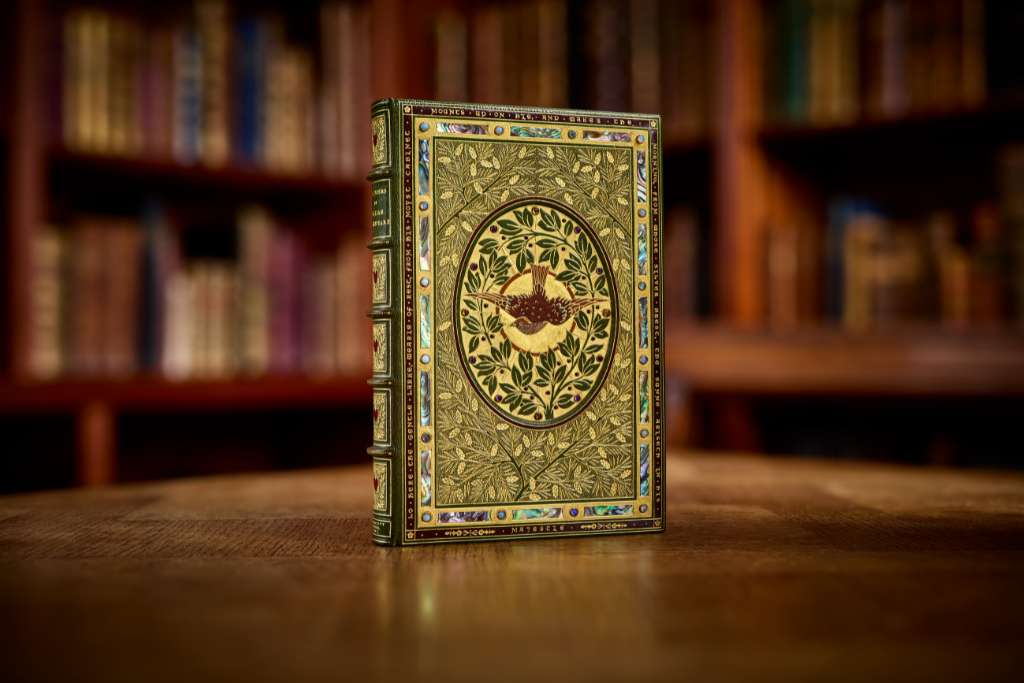
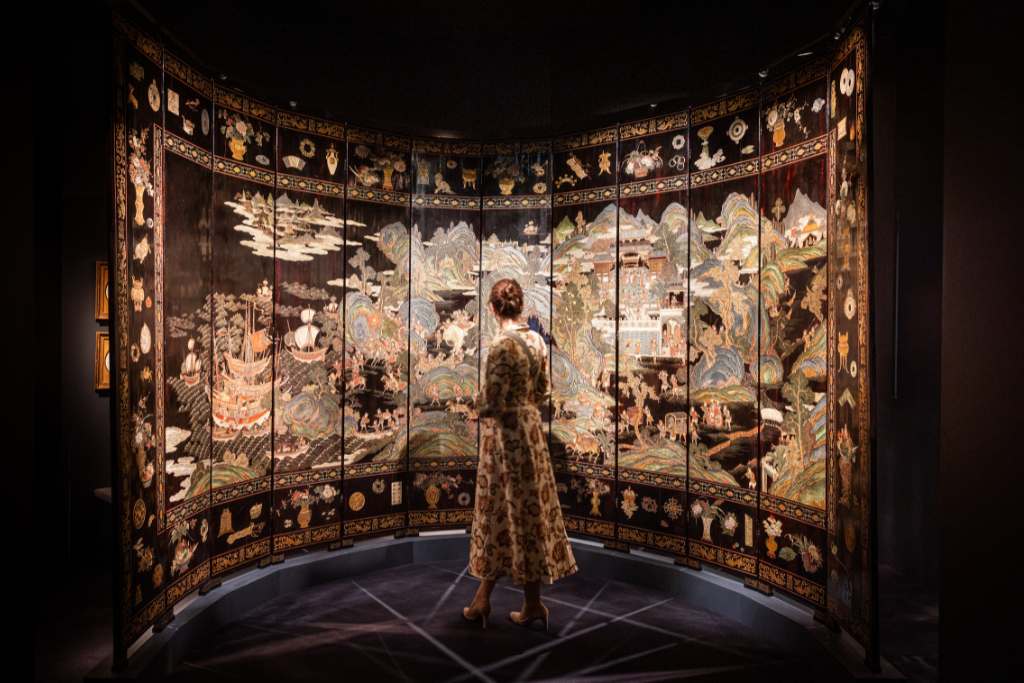
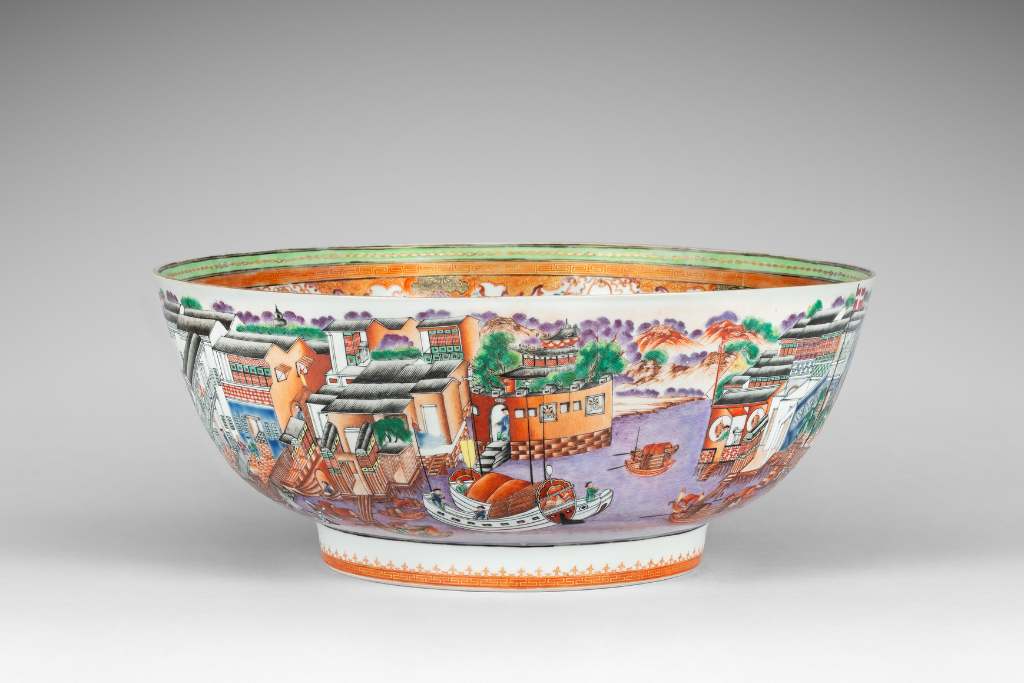
You’ll find a range of exceptional rarities: Old Master paintings, jewelry, decorative arts, modern and contemporary art, photography, classical antiquities, works on paper, books, and 20th-century art design, among others. You might discover vintage Cartier, a lost Bernini terracotta, or illuminated relics. Come for a Monet — and you might chance upon 20. There’s always a Picasso (or 10). Every object has a story. Emanating an aura of prestige, the fair overall offers the opportunity for buyers to compare price and quality of thousands of works, as well as gain from a profusion of expert opinions. Here, on the invitation day, every single guest has cognoscenti status.
There’s a dangerous disconnect as you stroll from gallery to gallery, moments when you consider pulling out your credit card and taking it to the limit. Over the years, I’ve nearly bought a Julia Cameron photograph, a ring that dates back to Romans times, and a David Hockney swimming pool painting – not that I could afford any of these items, mind you. Milling around me, people are dressed to kill — or at least to complement the riveting creations on display by exhibitors. I mingle with curators from nearly 500 of the world’s top museums — think the Louvre and The Metropolitan Museum of Art. Together, we gaze at countless objets d’ art, rubbing shoulders with princesses, jetsetters, glitterati, art scholars, veteran collectors, art-world insiders, and seasoned art journalists. Indisputably the most esteemed art fair globally, this beaux arts event attracts more than 50,000 art aficionados during its short, week-long tenure each spring.
Pop-Up Parties and Quiet Handshakes
While the open-to-the-public days (80 euros) feel like wandering through a swanky museum with bedazzling artwork, gourmet eateries, and cocktail bars at the ready, the preview days smack of sophisticated, see-and-be-seen celebration. Deals happen quietly, more with a kiss than a handshake. Negotiations seem like confabs between old friends. During the two preview days before the fair opens to the public, TEFAF pops with spontaneous parties, each its own sort of performance art. I attend one put on by the Rijksmuseum where a man, reminiscent of a character in a Brueghel painting, brandishes a bucket of raw oysters. Armed with a knife to open them, he offers them up, their shells acting as the cocktail plate. At our bidding, he pours on mignonette sauce from a bottle that dangles from his belt. An able server at his side fills Champagne flutes. Just inches from my elbows, priceless masterworks gaze at the festive throngs. I pray I won’t trip and spill my drink on a fragment of the Dead Sea Scrolls or fall into a long lost Vermeer.
But TEFAF isn’t just a party. It’s an extremely serious affair. Not only is it considered prestigious and exclusive for the quality of its offerings and the status of its clientele, but it boasts a meticulous vetting process that sets it apart from any other art fair. Numerous international experts assess each work for quality, authenticity, and condition. Any work that fails to meet the exacting standards will not be shown under any circumstances. Most vitally, TEFAF assures that no works have been confiscated in accordance with The Art Loss Register, an organization concerned with the provenance of art, particularly in terms of theft. Such a policy means buyers make purchases with extreme confidence.
Some of this year’s all-star cache included an untitled abstract oil painting by Joan Mitchell (1991), a portrait by Diego Velázquez, a late, bold painting by Pablo Picasso, an experimental sculpture by British artist Henry Moore, and an early masterpiece by James Ensore, regarded as the first Impressionist painting produced in Belgium. Each year, despite the previewed championship pieces, I fall in love with scores of delights that seem to be unnoticed by others. I’ve stood in awe of silver candlesticks, a Zadkine stone nude, a pair of Graff, flawless yellow emerald diamond earrings, centuries-old rugs, an uncharacteristic Otto Dix painting, a sofa-like chair for two by Zaha Hadid, and a ring from the Viking era — to name a few.
About Maastricht
While TEFAF Maastricht 2026 has rolled up its red carpet, it’s not too early to plan ahead for next year: March 11-18, 2027. And while the art extravaganza is an unparalleled adventure for the aesthetically inclined, Maastricht is a destination in itself. Just three hours from Paris or Amsterdam by train, and a short drive from Brussels, this affable university town is awash in Roman ruins, galleries, fashion boutiques, and fine restaurants. With secret passageways and medieval nooks, a river district, a pedestrian shopping street, coffee shops, bars, and green spaces for chilling out, it’s a dream hotspot any time of the year.
Where to Stay in Maastricht: Opt for Kruisherenhotel Maastricht, a five-star hotel built into the bones of a 15th-century Kruisheren monastery, but reimagined with modern design vibes in Maastricht’s buzzy center. A few miles away, Van Oys Maastricht Retreat, a member of| The Leading Hotels of the World, occupies a medieval castle, vaunting exceptional service.
Where To Eat: Try Studio,Danye, or Create by Guido Braeken, all with Michelin stars and creative menu offerings.
Don’t Miss: Boekhandel Dominicanen, a stunning bookstore set in a former Dominican chapel.
If you can’t wait a full year for TEFAF Maastricht, consider attending the fair’s abbreviated NYC version taking place May 15-19, 2026, at the Park Avenue Armory with some 88 exhibitors.
Feature image courtesy of TEFAF, photography by Jitske Nap